

Based on your book
Childhood's End
by Clarke, Arthur C.
When the Overlords arrive in giant ships hovering over Earth's major cities, they do not conquer through war; they simply end human ambition. Clarke presents a vision of peace that feels like a gilded cage, where humanity settles into a comfortable, stagnant existence under the watchful eye of an inscrutable alien intelligence. The narrative moves at a deliberate, almost detached pace, shifting from the initial shock of contact to the profound existential displacement that follows. It is a quiet, melancholic epic that prioritizes philosophical weight over action. You will feel a lingering sense of unease as the story unfolds, forcing you to question whether our species is merely a stepping stone toward something else entirely. This is for readers who enjoy science fiction that functions as a telescope, looking past the individual to examine the cold, inevitable trajectory of evolution.
10 Books similar to 'Childhood's End'
If the unsettling cosmic perspective of Clarke's work resonated with you, these selections dive deeper into the same existential uncertainty. We have curated these titles because they treat first contact not as a simple adventure, but as a catalyst for fundamental shifts in human consciousness and societal structure. Whether through the lens of hard science, sociological inquiry, or grand evolutionary timescales, each book shares that specific, contemplative tone. These authors grapple with the same tension between human agency and our potential insignificance in the face of an vast, uncaring, or transformative universe.
As an Amazon Associate, we earn from qualifying purchases.
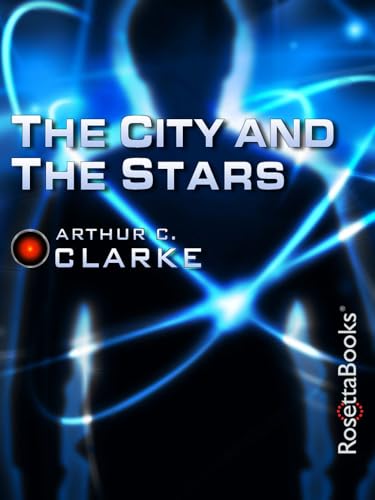
Sharing the same author and grand, cosmic scope as Childhood's End, this novel explores the far future of humanity and the stagnation of a civilization that has lost its drive. It offers a similarly profound meditation on human potential and the nature of existence.
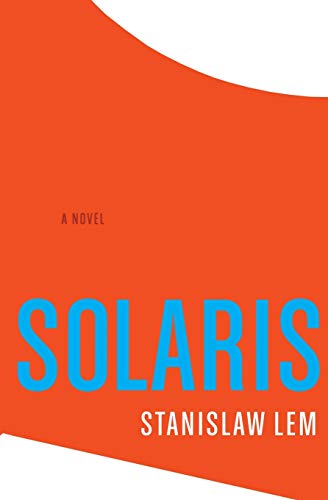
This masterpiece of science fiction deals with the impossibility of truly communicating with an alien intelligence, mirroring the profound alienation and awe found in Clarke's work. It is a deeply cerebral and psychological exploration of humanity's place in the universe.

by Cixin Liu
Much like Childhood's End, this novel centers on humanity's first contact with an advanced alien civilization and the catastrophic societal shifts that follow. It blends hard science with sweeping philosophical questions about survival and the future of the species.

A monumental work of speculative fiction that chronicles the rise and fall of eighteen successive human species over billions of years. Its immense scale and detached, god-like narrative perspective heavily influenced Clarke's vision for human evolution.

Prefer to listen?
Try Audible and hear the story instead of reading it.
As an Amazon Associate, we earn from qualifying purchases.

This novel explores profound questions of sociology, gender, and human nature through the lens of first contact with an alien culture. It matches the intellectual depth and philosophical curiosity that makes Childhood's End a classic of the genre.

Sturgeon's novel explores the next stage of human evolution, where individuals with unique powers merge to form a single, superior entity. It shares the same sense of wonder and unsettling transformation found in the final act of Clarke's book.

by Isaac Asimov
Asimov's classic series examines the grand trajectory of human civilization across the galaxy, focusing on the inevitability of change and the rise and fall of empires. It provides the same sweeping, historical-scale perspective on humanity's destiny.

by Peter Watts
For readers who appreciated the darker, more challenging implications of alien contact in Clarke's work, this novel offers a terrifyingly hard-science look at consciousness and evolution. It is a dense, deeply philosophical thriller that questions the value of human self-awareness.

This book takes the reader on a journey through the history of the entire cosmos, exploring the nature of creation and the ultimate fate of intelligent life. It is the spiritual ancestor to the cosmic scope and existential awe found in Childhood's End.

This novel tracks the cycle of human civilization after a nuclear apocalypse, focusing on the preservation of knowledge and the inevitable patterns of history. It shares a similar tone of melancholy and philosophical reflection on humanity's cyclical nature.

Love to read on the go?
Explore Kindle e-readers and take your books with you.
As an Amazon Associate, we earn from qualifying purchases.
As an Amazon Associate, we earn from qualifying purchases.