

Based on your book
Cities Under Siege
by Graham, Stephen
Cities Under Siege is a cold, calculated look at how the modern metropolis has become a battlefield. Stephen Graham moves away from the romanticized view of urban living to expose how military technology, surveillance, and exclusionary design are being woven into the very fabric of our streets. The book is dense and relentlessly analytical, demanding your full attention as it maps the ways power structures monitor and restrict our movement. It does not offer easy answers or comforting narratives; instead, it presents a stark, almost claustrophobic reality where the line between domestic peace and state-sponsored warfare has blurred into nothingness. You should pick this up if you are interested in political geography, critical urban theory, or if you simply want to understand the invisible mechanisms of control that shape your daily life.
10 Books similar to 'Cities Under Siege'
If the unsettling scope of Cities Under Siege resonates with you, our curated list explores the hidden architecture of power from different angles. We have selected these titles to bridge the gap between physical urban decay and the digital surveillance that governs our movements. Whether you are interested in the economic exploitation of crises found in Naomi Klein or the grassroots resilience documented by Robert Neuwirth, these books expand on the themes of militarization and systemic control. They are essential reading for anyone looking to connect the dots between state planning, corporate influence, and the future of our cities.
As an Amazon Associate, we earn from qualifying purchases.

by Naomi Klein
Like Graham's work, this book meticulously exposes the intersection of global politics, corporate interests, and the exploitation of crises to reshape urban and national landscapes. Readers who appreciate Graham's critical analysis of how power structures manipulate environments will find this equally compelling and eye-opening.
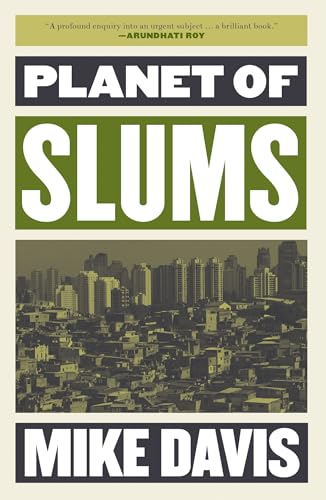
by Mike Davis
Davis provides a harrowing, deeply researched examination of the rapid, unplanned urbanization of the developing world, mirroring Graham's focus on the darker realities of modern city life. It is an essential companion for understanding the socioeconomic pressures that often lead to the militarized urban environments Graham describes.

Zuboff expands on the technological aspect of control that Graham touches upon, detailing how data extraction and digital surveillance are reshaping human behavior and urban autonomy. It offers a profound look at the 'invisible' infrastructure of control that complements Graham's physical analysis.

by Edward J. Blakely and Mary Gail Snyder
This book focuses on the physical manifestation of fear and exclusion within cities, directly paralleling Graham's discussion on the fragmentation of urban space. It provides a detailed look at how the 'bunker mentality' influences architectural and social design in modern society.

Prefer to listen?
Try Audible and hear the story instead of reading it.
As an Amazon Associate, we earn from qualifying purchases.

Scott explores why large-scale state projects to improve the human condition often fail, providing a foundational theoretical framework for understanding the rigid, top-down urban planning that Graham critiques. It is a brilliant, intellectual deep dive into the hubris of modern governance.

by Jane Jacobs
While Jacobs offers a more optimistic view of urban vitality, her critique of mid-century urban renewal provides the essential counter-narrative to the militarized, sterile planning that Graham warns against. It is the classic text for anyone interested in what makes a city truly livable versus a space of control.

by Suketu Mehta
Mehta provides a visceral, on-the-ground account of the chaotic, often violent forces shaping one of the world's most intense urban environments. Fans of Graham will appreciate the granular detail and the exploration of how crime, politics, and survival collide in the modern metropolis.

by Fred Kaplan
Focusing on the digital front lines, this book mirrors Graham's exploration of how warfare has moved into new, often invisible domains. It details the evolution of cyber-security and state control, offering a high-stakes look at the 'new military' strategies that define our era.

by Miriam Greenberg and Miriam Greenberg
This work explores how cities are branded and managed in the neoliberal era, providing a sociological counterpart to Graham's focus on militarization. It examines the 'urban imaginary' and how economic control dictates the physical and social boundaries of the city.
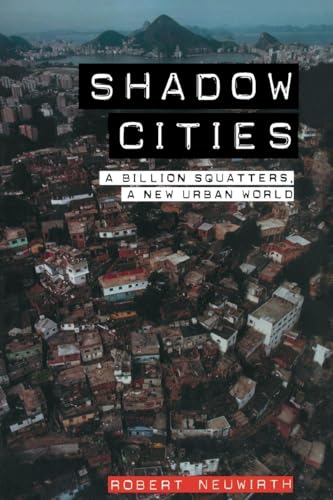
Neuwirth takes readers inside the 'illegal' cities that exist outside of state control, providing an essential perspective on the informal urbanism that Graham's 'military urbanism' seeks to contain or eradicate. It is a fascinating study of resilience and self-organization in the face of systemic exclusion.

Love to read on the go?
Explore Kindle e-readers and take your books with you.
As an Amazon Associate, we earn from qualifying purchases.
As an Amazon Associate, we earn from qualifying purchases.