

Based on your book
Clarissa, or The History of a Young Lady
by Richardson, Samuel
Clarissa is a massive, slow-burn tragedy told entirely through letters, pulling you directly into the mind of a young woman being systematically dismantled by her family and a predatory rake named Lovelace. It is not an easy read; it is a claustrophobic, agonizingly detailed examination of how a person’s agency is stripped away piece by piece. Richardson forces you to live inside the anxiety of every correspondence, making the inevitable catastrophe feel personal rather than distant. The tone is deeply psychological and often disturbing, focusing on the crushing weight of moral dilemmas and the brutal reality of power imbalances. This book is for the reader who values deep character studies over fast-paced plots and who has the patience for a long, unflinching look at how societal expectations can destroy an individual.
10 Books similar to 'Clarissa, or The History of a Young Lady'
The books selected here were chosen to help you explore the specific, unsettling themes found in Clarissa. If the psychological intensity of Richardson's work left you shaken, you will find similar explorations of predatory power dynamics and the tragic loss of innocence in novels like Dangerous Liaisons and Tess of the d'Urbervilles. These titles mirror the epistolary format, the crushing social pressures, and the moral urgency that define Clarissa's struggle. Whether you are looking for more 18th-century social critique or stories about women fighting to maintain integrity against impossible odds, these recommendations offer a natural extension of that experience.
As an Amazon Associate, we earn from qualifying purchases.
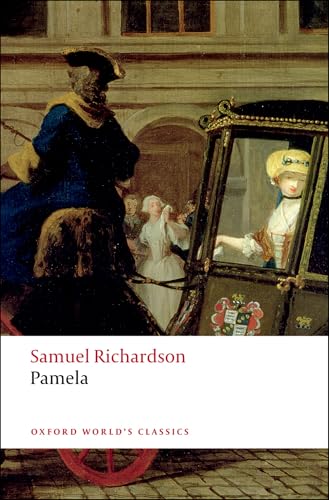
As the predecessor to Clarissa, this novel shares Richardson's signature epistolary style and intense focus on the moral trials of a young woman navigating predatory power dynamics. Fans of Clarissa will recognize the same meticulous psychological detail and the central struggle of maintaining virtue against overwhelming social and personal pressure.

This epistolary classic mirrors the manipulative, predatory nature of Lovelace through its own cast of cynical aristocrats playing dangerous games with people's lives. It offers a darker, more biting look at the same 18th-century social structures that entrap Clarissa.

by Anne Brontë
This novel features a strong, resilient heroine who must escape a toxic and abusive marriage, echoing Clarissa's struggle for agency and moral integrity. It is deeply concerned with the social and legal limitations placed on women, delivered with a similar sense of moral urgency.

Written in the epistolary format, this novel explores the dangers a young, naive woman faces when navigating the complex social codes of the 18th century. While lighter in tone than Clarissa, it shares the same keen observation of manners and the perilous stakes of a young woman's reputation.

Love to read on the go?
Explore Kindle e-readers and take your books with you.
As an Amazon Associate, we earn from qualifying purchases.

by Thomas Hardy
Tess is a tragic figure whose life is destroyed by the machinations of a predatory man, paralleling Clarissa's devastating fall from grace. Both books serve as powerful indictments of the societal double standards and moral hypocrisy that victimize virtuous women.

This novel delves into the psychological torture of public shame and the rigid moral codes that demand a woman's sacrifice. Like Clarissa, the protagonist faces an existential crisis brought on by social judgment and the weight of her own moral choices.

by John Cleland
Written in the same era as Richardson's work, this novel offers a starkly different, more explicit perspective on the life of a young woman in London. It provides a fascinating counterpoint to Clarissa's virtue-centric narrative, exploring the same urban dangers and social vulnerabilities.

This Victorian sensation novel features a harrowing narrative of a woman trapped by predatory men and institutional power, echoing the suspense and dread found in Clarissa. It masterfully uses multiple perspectives to build a complex, claustrophobic mystery around the heroine's safety.

Jane's journey toward autonomy and her refusal to compromise her moral principles in the face of romantic temptation resonate deeply with Clarissa's character arc. Both heroines must navigate dangerous power imbalances and define their own worth against societal expectations.

by Ian McEwan
This modern classic explores the catastrophic, lifelong consequences of a single misunderstanding and the subsequent loss of innocence, mirroring the tragic trajectory of Clarissa. It shares a deep, analytical focus on how narrative, perception, and moral failing can destroy lives.

Not sure what they've already read?
Let them pick their next favorite with an Amazon Gift Card.
As an Amazon Associate, we earn from qualifying purchases.
As an Amazon Associate, we earn from qualifying purchases.