

Based on your book
Climate Anxiety and the Kid Question
by Sasser, Jade
Jade Sasser tackles the heavy, often paralyzing tension between personal desire and planetary survival in this rigorous sociological study. Rather than offering pat answers about whether to have children in an era of ecological collapse, she examines the racial and class-based disparities that shape how we view the future. The book feels like a long, honest conversation with a brilliant friend who is willing to sit with the discomfort of uncertainty. It is not a light read, but it is deeply validating for anyone who has felt that their private reproductive choices are inextricably tied to global injustice. If you are looking for a book that treats your existential dread with intellectual respect rather than hollow optimism, this is a necessary addition to your shelf. It is best suited for readers who enjoy unpicking complex systems and want to understand how climate anxiety is as much a political issue as it is an emotional one.
10 Books similar to 'Climate Anxiety and the Kid Question'
Since this book sits at the intersection of climate science, sociology, and personal philosophy, we have curated a list that mirrors its dual focus on systemic analysis and lived experience. These selections bridge the gap between psychological resilience and political critique, helping you navigate the moral dilemmas of modern life. Whether you are looking for the psychological grounding of Generation Dread, the intersectional framework of The Intersectional Environmentalist, or the raw philosophical inquiry of Motherhood, these titles expand on the central themes of responsibility, agency, and the persistent, human act of hoping for a better future.
As an Amazon Associate, we earn from qualifying purchases.

by Leah Thomas
Like Sasser's work, this book bridges the gap between environmental activism and social justice, offering a necessary lens on how climate issues disproportionately affect marginalized communities. It provides a foundational framework for understanding the systemic inequalities that influence personal decisions about the future.

by Ayana Elizabeth Johnson and Katharine K. Wilkinson
This collection of essays features diverse voices grappling with the climate crisis, echoing the intimate and personal reflections found in Sasser's research. It moves beyond doom-scrolling to explore how women, in particular, are leading the charge for a livable future.
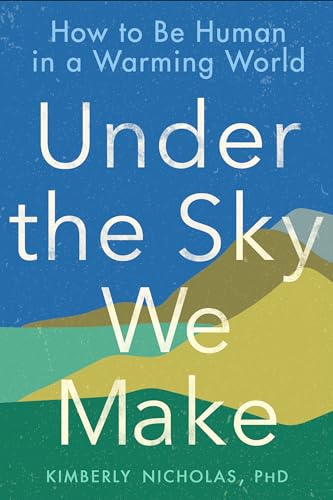
Nicholas combines rigorous climate science with personal narrative, creating a relatable guide for navigating the emotional weight of climate change. It shares the same 'how do we live in this world' inquiry that drives the central questions of Sasser's research.

Holthaus offers a vision of what a climate-resilient future could look like, focusing on radical hope and systemic change. Readers interested in the 'Kid Question' will appreciate the book's focus on intergenerational responsibility and the moral imperative to build a better world.

Not sure what they've already read?
Let them pick their next favorite with an Amazon Gift Card.
As an Amazon Associate, we earn from qualifying purchases.

by Sheila Heti
This novel explores the profound, often agonizing decision of whether or not to have children, mirroring the personal dilemma at the heart of Sasser's sociological study. Heti's raw, philosophical exploration of reproductive choice resonates deeply with the anxieties surrounding climate-conscious parenting.

Kimmerer weaves indigenous wisdom with scientific knowledge to foster a reciprocal relationship with the earth. Fans of Sasser will find a similar depth of care and concern for the future, grounded in a desire to heal our fractured connection to the natural world.

by Britt Wray
Wray provides a comprehensive psychological look at climate anxiety, directly addressing the mental health toll of the climate crisis. It serves as the perfect companion to Sasser’s work, validating the emotional experience of those who feel overwhelmed by the state of the planet.

by Amitav Ghosh
Ghosh examines the colonial roots of the climate crisis, offering a historical and political analysis that contextualizes modern environmental anxieties. It provides the 'big picture' structural analysis that complements the individual, lived experiences documented in Sasser's book.

Ray focuses on how to build resilience in the face of climate despair, specifically targeting the younger generations who are most affected. Her work echoes Sasser's exploration of how we can maintain agency and purpose when the future feels uncertain.

While broader in scope than environmentalism, Kendall's critique of mainstream feminism highlights the exact blind spots Sasser addresses regarding race and class. Readers will appreciate the intersectional approach to understanding how societal structures dictate who gets to worry about the future and who is forced to survive it.

Prefer to listen?
Try Audible and hear the story instead of reading it.
As an Amazon Associate, we earn from qualifying purchases.
As an Amazon Associate, we earn from qualifying purchases.