

Based on your book
Codex Seraphinianus
by Serafini, Luigi
Imagine finding a dusty encyclopedia from an alternate dimension where biology, botany, and technology follow rules that defy human logic. Luigi Serafini has created exactly that: a massive, hand-drawn volume written in an indecipherable, invented script that feels like a fever dream of scientific discovery. As you flip through its pages, you encounter fish that morph into bicycles, strange rituals involving sentient fruit, and maps of cities that seem to exist only in the subconscious. There is no narrative to follow and no secret code to crack; instead, the book demands a quiet, observational patience. It is an exercise in pure imagination, best suited for the reader who finds comfort in the unknown and enjoys the intellectual thrill of trying to categorize the impossible. If you want to experience the sensation of being an alien anthropologist on your own coffee table, this is your book.
10 Books similar to 'Codex Seraphinianus'
If the surreal taxonomy of the Codex has sparked a hunger for more impossible archives, these selections were curated to satisfy that specific, scholarly itch for the strange. We focused on works that treat the imaginary with the gravity of a textbook, from the speculative biology of Dougal Dixon to the labyrinthine structures of Borges and Calvino. Each of these titles shares that distinct, intellectual obsession with cataloging the unknowable. Whether you are looking for more visual puzzles or complex, non-linear mythologies, these books will keep you wandering through the same beautifully disorienting, alien territories.
As an Amazon Associate, we earn from qualifying purchases.

by Anonymous
As the ultimate precursor to the Codex Seraphinianus, this mysterious, undeciphered 15th-century text offers the same sense of alien wonder and linguistic frustration. It is the definitive 'book of secrets' that invites the reader to decode its bizarre illustrations and cryptic script.

Calvino's masterpiece constructs a series of surreal, impossible cities described through poetic prose that mirrors the imaginative architecture found in Serafini's work. It shares the same dreamlike, encyclopedic quality, focusing on the philosophy of perception and the construction of reality.

Structured as a lexicon rather than a linear narrative, this book invites the reader to navigate its contents in any order, much like the non-linear exploration of the Codex. It blends history, myth, and surrealism into a dense, encyclopedic format that challenges traditional storytelling.
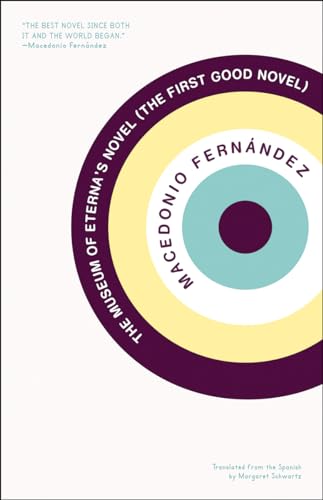
This avant-garde work is famous for its metafictional playfulness and refusal to adhere to standard novelistic structures, echoing the subversive spirit of the Codex. It creates a labyrinthine reading experience that feels like a puzzle waiting to be solved.

Not sure what they've already read?
Let them pick their next favorite with an Amazon Gift Card.
As an Amazon Associate, we earn from qualifying purchases.

by Dougal Dixon
Dixon applies the rigor of speculative biology to create a fully realized, illustrated guide to the fauna of a future Earth, capturing the same 'scientific' approach to the impossible found in Serafini's work. It is a visual feast that treats the bizarre with the seriousness of a textbook.

While a classic of 17th-century literature, its encyclopedic, digressive, and obsessive nature makes it a spiritual ancestor to the Codex. It is a sprawling, chaotic, and deeply fascinating compendium that attempts to categorize the entirety of human suffering and knowledge.

Borges compiles a bestiary of mythical creatures from folklore and literature, presenting them with an authoritative, encyclopedic tone that mirrors the Codex's structure. It is a perfect companion for those who enjoy the feeling of flipping through a catalog of the unknown.

This satirical novella explores dimensions beyond our own through the perspective of a two-dimensional shape, offering a similar sense of 'alien' logic and structural innovation. It challenges the reader's perception of reality through a unique, conceptual framework.

While a science fiction novel, the Culture series—and this book in particular—features complex, non-human intelligences and alien artifacts that evoke the same sense of awe and 'otherness' found in the Codex. The detailed world-building creates a sense of a vast, incomprehensible universe.

This short story (often published as a standalone book) envisions a universe-sized library containing every possible book, capturing the same infinite, overwhelming, and claustrophobic aesthetic of the Codex. It is the ultimate exploration of knowledge, chaos, and the desire to find meaning in the incomprehensible.

Prefer to listen?
Try Audible and hear the story instead of reading it.
As an Amazon Associate, we earn from qualifying purchases.
As an Amazon Associate, we earn from qualifying purchases.