

Based on your book
Concrete and Culture
by Forty, Adrian
Concrete is often dismissed as a mere utilitarian backdrop to modern life, but Adrian Forty argues it is one of the most culturally loaded materials in human history. This book moves beyond the technical engineering of the substance to examine how it has shaped our social, political, and aesthetic consciousness. Forty dissects how concrete became a symbol of both utopian progress and brutalist oppression, tracing its influence through architecture, literature, and art. The reading experience is cerebral and methodical, inviting you to look at the gray walls around you with newfound suspicion and wonder. It is not a casual browse, but rather a slow, rewarding investigation for readers who enjoy architectural theory, urban sociology, and the intersection of material science with the human condition. If you want to understand why our cities feel the way they do, this is your starting point.
10 Books similar to 'Concrete and Culture'
Once you have finished Forty's analysis, you will likely want to explore the broader landscape of architectural philosophy and power. We have selected these titles to deepen your understanding of how the built environment dictates human behavior and reflects societal ego. Whether you are interested in the psychological impact of space, the commodification of urban authenticity, or the historical evolution of structural materials, these books continue the conversation on how we construct our world. They share that same intellectual rigor, offering a lens to decode the hidden politics behind the concrete and steel that dominate our skyline.
As an Amazon Associate, we earn from qualifying purchases.

by Deyan Sudjic
Like Forty's work, this book explores the intersection of architecture, power, and politics, examining how buildings are used as tools for ego and control. It offers a similarly analytical and critical perspective on the built environment that fans of architectural history will appreciate.

by Rem Koolhaas
This seminal text provides a deep, intellectual dive into the urban development of New York, mirroring Forty's ability to decode the cultural significance of structural design. It is essential reading for anyone interested in the philosophy and social history behind city building.

Mumford's classic study offers a sweeping, profound look at how human civilization has shaped its environment, providing the same scholarly depth found in Forty's exploration of material culture. It challenges readers to think critically about the relationship between society and the spaces we inhabit.
by Paul Virilio
Focusing on the concrete bunkers of the Atlantic Wall, Virilio’s work shares a direct subject matter connection with Forty’s interest in concrete. It provides a haunting, philosophical meditation on the permanence of military architecture and its legacy in the landscape.

Not sure what they've already read?
Let them pick their next favorite with an Amazon Gift Card.
As an Amazon Associate, we earn from qualifying purchases.

De Botton explores the psychological and emotional impact of architecture on our daily lives, moving beyond technical specs to the human experience of space. Readers who enjoyed Forty's cultural critique will appreciate this more accessible, yet equally thoughtful, examination of why buildings matter.

by Sharon Zukin
Zukin provides a sharp, critical look at how urban environments change and how 'authenticity' is commodified, echoing Forty's interest in the social forces behind the built environment. It is a must-read for those interested in the sociology of modern architecture and urban planning.
by Mary Leslie
This book offers a comprehensive historical account of concrete itself, serving as a perfect companion piece to Forty's cultural study. It blends technical history with narrative storytelling to explain how this single material fundamentally altered human civilization.

by Robert Venturi, Denise Scott Brown, and Steven Izenour
A foundational text in postmodern architectural theory, this book challenges traditional notions of 'good' design, much like Forty challenges our perceptions of concrete. It is essential for understanding how architectural meaning is constructed through symbolism and popular culture.
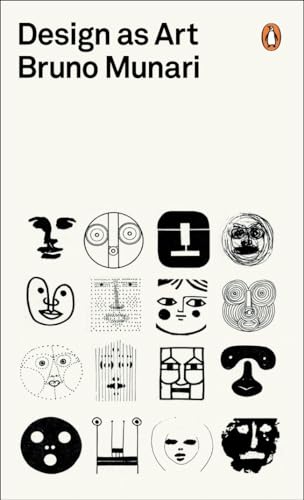
by Bruno Munari
Munari’s collection of essays explores the philosophy of design in everyday objects and structures, sharing the same observant, intellectual spirit found in Forty's work. It encourages readers to see the hidden cultural logic behind the mundane items and buildings that surround them.

Pallasmaa argues for a more sensory-focused approach to architecture, providing a stark, poetic contrast to the material-centric analysis of Forty. It is a deeply philosophical work that will resonate with anyone interested in the emotional and physical impact of the built world.

Prefer to listen?
Try Audible and hear the story instead of reading it.
As an Amazon Associate, we earn from qualifying purchases.
As an Amazon Associate, we earn from qualifying purchases.