

Based on your book
Conditioning for Dance
by Eric Franklin
Eric Franklin's Conditioning for Dance isn't just another exercise manual; it's an intellectual deep dive into how your body truly works in motion. This book peels back the layers, offering an analytical and incredibly informative look at the science behind effective dance conditioning. Reading it feels like sitting down with a brilliant mentor who empowers you with knowledge, transforming your understanding of movement from the inside out. It’s a journey of self-improvement, inspiring you to refine your technique and prevent injury through intelligent, body-aware practice. If you’re a dancer, teacher, or anyone serious about personal growth in your physical craft, and you want to truly understand the 'why' behind every movement, this book will be an invaluable guide, pushing you to new levels of insight and capability.
10 Books similar to 'Conditioning for Dance'
For those who found Eric Franklin's meticulous approach to movement transformative, our recommended books continue that journey of intelligent self-improvement. We've curated titles that share his commitment to understanding the 'behind the scenes' mechanics of the body and the mind-body connection. You'll find resources that deepen your analytical understanding of anatomy, empower your personal growth through refined practice, and inspire a more mindful, sustainable approach to movement, much like Franklin encourages in his own work.
As an Amazon Associate, we earn from qualifying purchases.

This book offers a comprehensive, visually rich exploration of the anatomical principles underlying dance movement, much like Franklin's work. Readers will appreciate its clear explanations and practical applications for improving technique, preventing injuries, and understanding the body's mechanics in a dance context.

A classic in movement education, this book provides a detailed and accessible guide to human anatomy as it relates to movement. Its clear illustrations and practical approach to understanding how the body works will resonate deeply with readers who appreciate Eric Franklin's emphasis on informed, intelligent movement.

by Katy Bowman
Katy Bowman challenges conventional notions of exercise, advocating for a more varied, natural movement diet that aligns with our evolutionary biology. Fans of Franklin's work will appreciate her scientific yet accessible approach to understanding how movement impacts overall health and how to integrate more dynamic movement into daily life.

While focused on tennis, this seminal work explores the psychological aspects of performance, emphasizing how to overcome self-doubt and achieve peak performance through mental focus and body awareness. Dancers will find its principles directly applicable to improving their technique, artistry, and overall enjoyment of movement by fostering a better mind-body connection.

Not sure what they've already read?
Let them pick their next favorite with an Amazon Gift Card.
As an Amazon Associate, we earn from qualifying purchases.

This foundational text introduces the Feldenkrais Method, a somatic practice that uses gentle, structured movements to improve body awareness, flexibility, and coordination. Readers who appreciate Franklin's use of imagery and intelligent movement will find Feldenkrais's approach to learning and refining movement patterns incredibly insightful and transformative.
This book delves into the principles of the Alexander Technique, a method for improving posture, balance, and coordination by identifying and releasing habitual tension patterns. It offers a practical and intellectual approach to understanding and refining one's use of the body, making it highly relevant for dancers seeking to enhance their efficiency and prevent injury, much like Franklin's teachings.

This is the original text by Joseph Pilates, outlining the principles and exercises of his groundbreaking method for physical conditioning. Dancers will gain historical insight and practical guidance on core strength, flexibility, and body control, appreciating the foundational wisdom that underpins many contemporary dance conditioning practices, similar to Franklin's systematic approach.
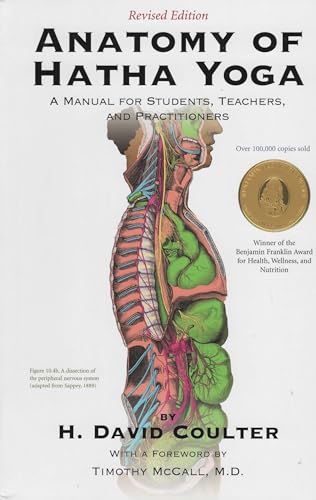
This comprehensive manual offers an incredibly detailed anatomical and physiological exploration of yoga postures, providing a deep understanding of how the body works in various movements. Its rigorous scientific approach combined with practical application for movement practitioners will appeal to readers who value the depth and precision found in Eric Franklin's work.

Although focused on music, this book offers profound insights into effective practice, performance anxiety, and the mind-body connection crucial for any performing art. Dancers will find its strategies for deep learning, injury prevention, and cultivating a joyful, integrated approach to their craft highly resonant with the holistic principles found in "Conditioning for Dance."

by Bernie Clark
This book promotes an individualized approach to movement and alignment, emphasizing anatomical variations and the importance of adapting practices to suit one's unique body. Readers who appreciate Franklin's nuanced understanding of the body will value Clark's evidence-based arguments against rigid "perfect" forms, fostering a more intelligent and sustainable movement practice.

Prefer to listen?
Try Audible and hear the story instead of reading it.
As an Amazon Associate, we earn from qualifying purchases.
As an Amazon Associate, we earn from qualifying purchases.