

Based on your book
Conform
by Sullivan, Ariel
Conform is a bleak, sharp-edged examination of how institutionalized systems strip away individual autonomy. It presents a society where the mandate to fit in is not just a social expectation but a structural requirement for survival. The narrative atmosphere is heavy and claustrophobic, mirroring the psychological toll of a world that views creative thinking as a systemic threat. You will feel the weight of the moral dilemmas faced by characters who must decide between personal integrity and the safety of the status quo. The pacing is deliberate and intense, designed to make you question the hidden agendas behind the rules you follow in your own life. This is a read for anyone who has ever felt like an outsider in a rigid environment and wants to explore the political costs of standing your ground.
10 Books similar to 'Conform'
If the unsettling atmosphere of Conform kept you up at night, these titles will help you unpack the real-world roots of that anxiety. We curated this list to bridge the gap between the book's dystopian warning and the actual historical and psychological blueprints of modern education. Whether you are looking for the philosophical roots of non-conformity in Emerson or the systemic critiques of Gatto and Freire, these selections explore how power dynamics and institutional design shape our character. They are essential reading for anyone ready to challenge the status quo beyond the final page.
As an Amazon Associate, we earn from qualifying purchases.

As a foundational text for critics of the modern education system, this book mirrors the central arguments in 'Conform' regarding how schooling suppresses individuality. It provides a sharp, analytical look at the institutional structures that prioritize obedience over genuine intellectual development.

by Greg Lukianoff and Jonathan Haidt
This book expands on the psychological impact of modern educational and cultural environments, much like 'Conform' explores the societal pressures on students. It offers a deep dive into how safety-ism and institutional conformity can hinder resilience and critical thinking in young adults.

For readers who appreciated the historical context provided in 'Conform,' this exhaustive work traces the origins of the American school system. It reveals the deliberate design behind the structures that encourage conformity, making it a perfect companion for a deeper understanding of the issue.

Deresiewicz critiques the Ivy League culture of producing 'excellent sheep'—individuals who are high-achieving but conformist and lacking in purpose. It echoes the themes of 'Conform' by challenging the reader to reject societal templates for success in favor of authentic self-discovery.

Love to read on the go?
Explore Kindle e-readers and take your books with you.
As an Amazon Associate, we earn from qualifying purchases.

by Paulo Freire
This classic text argues against the 'banking model' of education, where students are treated as passive containers to be filled, a concept directly aligned with the arguments in 'Conform.' It is essential reading for anyone interested in how education can be a tool for liberation rather than control.

by Neil Postman
Postman questions the 'why' behind schooling, arguing that the current system lacks a coherent purpose beyond mere economic utility. Readers of 'Conform' will find his critique of standardized schooling and his call for a more humanistic approach highly resonant.

by Ivan Illich
A radical and influential critique of institutionalized education, Illich's work suggests that schools have become counterproductive to true learning. It shares the same rebellious spirit as 'Conform,' challenging the reader to rethink the necessity of the standard school model.

by Ken Robinson
While more solution-oriented than 'Conform,' Robinson's book shares the same fundamental belief that the industrial model of education is failing our children. It provides a hopeful, actionable look at how we can break the cycle of conformity to foster creativity.
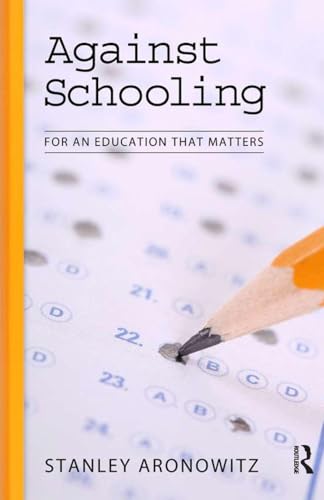
Aronowitz provides a sociological critique of schooling that aligns with the arguments in 'Conform' regarding how institutions shape character. This book is perfect for readers who want to understand the systemic forces that prioritize standardization over individual potential.

Though written long ago, Emerson's essays are the philosophical ancestor to the arguments in 'Conform.' His passionate defense of non-conformity and individual integrity provides the intellectual bedrock for anyone questioning the pressure to fit into societal molds.

Not sure what they've already read?
Let them pick their next favorite with an Amazon Gift Card.
As an Amazon Associate, we earn from qualifying purchases.
As an Amazon Associate, we earn from qualifying purchases.