

Based on your book
Copse 125
by Jünger, Ernst
Copse 125 is not a standard war memoir, but rather a chillingly clinical examination of a single, brutal patch of ground. Jünger dissects his experience in the trenches with the detachment of a scientist observing an experiment gone wrong. You are not reading about heroic deeds or sentimental tragedy; you are witnessing the cold intersection of human biology and industrial slaughter. The prose is sparse, intellectual, and unnervingly quiet, stripping away the noise of battle to reveal the hollow existential core of the soldier. It feels like standing on a precipice, staring into a void that refuses to blink back. This book is for readers who prefer their war literature without a moral compass, those who want to confront the raw, unvarnished mechanics of violence and the strange, haunting stillness that follows a slaughter.
10 Books similar to 'Copse 125'
If the bleak, analytical gaze of Copse 125 left you shaken, these selections offer further descent into the psychological wreckage of conflict. We chose these titles because they mirror Jünger’s fascination with how war dismantles the individual identity and reshapes human perception. Whether through the fragmented, hallucinatory memories in The Sorrow of War or the cynical, observational vignettes of Company K, these works avoid romanticism. They prioritize the internal, existential toll of the front lines, providing a necessary bridge for those who appreciate literature that treats the battlefield as a site of profound philosophical inquiry.
As an Amazon Associate, we earn from qualifying purchases.

by Ernst Jünger
As the primary companion piece to Copse 125, this memoir provides the foundational combat experience that informs Jünger's later, more philosophical reflections. Readers will recognize the same detached, precise, and stoic observational style applied to the visceral reality of the trenches.

While Remarque's tone is more overtly tragic and pacifist compared to Jünger's aestheticization of war, it offers an essential counterpoint regarding the psychological toll of the trenches. It shares the same claustrophobic atmosphere and the profound sense of alienation experienced by soldiers returning to a world they no longer understand.

by Bao Ninh
This novel captures the fragmented, hallucinatory, and deeply introspective nature of memory in the aftermath of conflict, much like Jünger's meditations on his time in Copse 125. It moves beyond simple narrative to explore the existential crisis of a survivor grappling with the ghosts of the past.

This tetralogy provides a sophisticated, modernist examination of the disintegration of the old world order during WWI, mirroring Jünger's intellectual engagement with the collapse of European civilization. It combines the gritty reality of the front lines with a complex, analytical look at the social and political decay of the era.

Prefer to listen?
Try Audible and hear the story instead of reading it.
As an Amazon Associate, we earn from qualifying purchases.

Lawrence shares Jünger's penchant for blending military action with deep philosophical meditation and an almost poetic appreciation for the landscape of war. It is a dense, intellectual account that treats the theater of conflict as a stage for testing the limits of human endurance and identity.
This work resonates with the haunting, spectral quality of Jünger's writing, where the landscape itself becomes a character burdened by history and death. It offers a similarly analytical and detached perspective on the nature of violence and the persistent echoes of past atrocities.

Through a series of fragmented, intense vignettes, March explores the collective and individual trauma of WWI soldiers, echoing the episodic and observational structure of Jünger's work. It strips away the romanticism of war to reveal the raw, often cynical, psychological reality beneath.

Sassoon provides a more personal, diaristic account of the war that complements the detached, clinical observation found in Copse 125. Readers will appreciate the transition from the initial idealism of war to the profound disillusionment that characterizes the literature of the Great War.
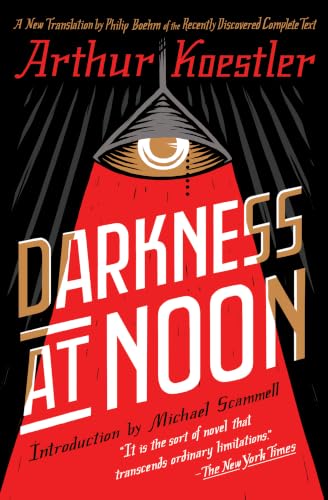
While focused on political imprisonment rather than trench warfare, Koestler's novel shares the intellectual rigor, moral complexity, and existential dread that permeates Jünger's writing. It is a deeply analytical study of the individual caught within the crushing machinery of a totalizing system.

by Paul Fussell
This essential non-fiction work analyzes the literary and cultural impact of WWI, providing the perfect context for understanding the stylistic choices in Copse 125. It examines how the trauma of the trenches fundamentally altered human perception and language, echoing Jünger's own themes.

Love to read on the go?
Explore Kindle e-readers and take your books with you.
As an Amazon Associate, we earn from qualifying purchases.
As an Amazon Associate, we earn from qualifying purchases.