

Based on your book
Creative Conspiracy
by Thompson, Leigh
Leigh Thompson moves past the tired cliches of office collaboration to examine how small, tightly knit groups can effectively disrupt established hierarchies. This book dissects the mechanics of creative friction, showing that the best ideas often emerge from intentional, almost subversive alignment rather than forced consensus. You will find the tone here to be sharp and analytical, stripping away the fluff of corporate buzzwords to get at the raw psychology of team dynamics. It reads like a high-level strategy session, demanding your full focus as it deconstructs how power shifts when people actually work together. This is a perfect pick for managers, team leads, or anyone frustrated by the inefficiency of traditional meetings who wants a researched, intellectual framework for building a team that actually produces something original.
10 Books similar to 'Creative Conspiracy'
If the intellectual rigor of Creative Conspiracy resonated with you, these titles offer a deeper dive into the specific mechanics of high-performing groups. We have curated these selections because they share Thompson's obsession with the psychological underpinnings of collaboration and the systemic power dynamics that drive innovation. Whether you are looking to understand the cognitive biases that influence group decisions or want to master the art of fostering psychological safety, these books provide the essential context. They move beyond theory to offer practical strategies for navigating the complexities of modern professional life.
As an Amazon Associate, we earn from qualifying purchases.

by Adam Grant
Like Thompson's work, this book challenges conventional wisdom about innovation and teamwork, providing actionable insights into how individuals can champion new ideas. It shares a similar analytical and intellectual tone, focusing on the psychology behind creative breakthroughs.

This book mirrors the focus on collaboration and organizational structure found in 'Creative Conspiracy,' offering a systemic look at how to build agile, high-performing teams. It is essential reading for understanding the shift from traditional hierarchy to collaborative networks.

by Daniel Coyle
Coyle explores the invisible dynamics that make groups effective, much like Thompson's exploration of collaborative friction and synergy. It provides a fascinating, research-backed look at how to cultivate the psychological safety necessary for creative output.

by Keith Sawyer
Sawyer directly addresses the myth of the lone genius, arguing instead that creativity is a collaborative process, which aligns perfectly with the core thesis of 'Creative Conspiracy.' It offers a similar blend of academic research and practical application for team leaders.

Not sure what they've already read?
Let them pick their next favorite with an Amazon Gift Card.
As an Amazon Associate, we earn from qualifying purchases.

by Ed Catmull
Written by the co-founder of Pixar, this book offers a masterclass in managing creative teams and fostering an environment where collaboration thrives. Fans of Thompson will appreciate the deep dive into the practical realities of maintaining a 'creative conspiracy' within a large organization.

by Susan Cain
Cain's work complements Thompson's by examining how individual personality types—specifically introverts—contribute to and often revolutionize group dynamics and creativity. It provides the psychological depth necessary to understand the diverse participants in any collaborative effort.

This classic text explores how the collective intelligence of groups can often outperform individuals, offering a broader context for the collaborative theories presented in 'Creative Conspiracy.' It is an essential read for anyone interested in the mechanics of group decision-making.
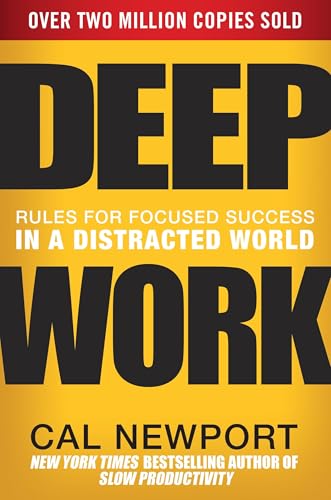
by Cal Newport
While 'Creative Conspiracy' focuses on group dynamics, Newport provides the necessary counterbalance by teaching how individuals can cultivate the focus required to actually contribute value to those collaborations. It shares a practical, research-driven approach to professional excellence.

Epstein argues that diverse experiences and broad perspectives are the true drivers of innovation, reinforcing the collaborative philosophy Thompson advocates. It is a compelling read for those who believe that cross-pollination of ideas is the key to creative success.
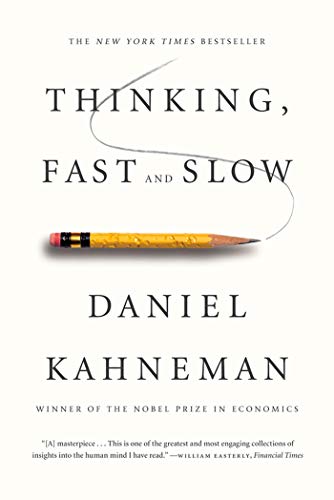
To truly understand the collaborative friction Thompson writes about, one must understand the cognitive biases that influence human decision-making. Kahneman's work provides the foundational psychological framework that makes the strategies in 'Creative Conspiracy' so effective.

Prefer to listen?
Try Audible and hear the story instead of reading it.
As an Amazon Associate, we earn from qualifying purchases.
As an Amazon Associate, we earn from qualifying purchases.