

Based on your book
Crime and Punishment
by Fyodor Dostoevsky
Raskolnikov is a destitute former student living in a cramped, stifling St. Petersburg attic, nursing a dangerous theory about his own superiority. He decides to test his hypothesis by murdering a pawnbroker, but the act immediately fractures his reality. Rather than the triumph he expected, he is plunged into a feverish, agonizing descent into paranoia and self-loathing. The prose feels like a relentless interrogation of the conscience, moving at the pace of a man hallucinating on his sickbed. It is claustrophobic and deeply uncomfortable, forcing you to inhabit the mind of a man coming apart at the seams. This is for readers who want to wrestle with the darkest corners of human logic and those who prefer their literature to feel like a high-stakes psychological autopsy rather than a straightforward narrative.
10 Books similar to 'Crime and Punishment'
If the moral wreckage of Raskolnikov left you craving more, these selections were curated to satisfy that specific hunger for existential tension. We chose titles that mirror the way Dostoevsky traps his characters in the cages of their own making, whether through the cold detachment found in Camus or the systemic pressures depicted by Wright. These books collectively explore the intersection of guilt, social alienation, and the desperate search for meaning after a moral transgression. They are for the reader who enjoys watching a character’s internal world collapse under the weight of their own choices.
As an Amazon Associate, we earn from qualifying purchases.

by Albert Camus
Like Raskolnikov, the protagonist Meursault is detached from societal norms and struggles with existential alienation. It offers a concise, chilling exploration of morality and the absurdity of existence that mirrors Dostoevsky's psychological depth.

This novella serves as the spiritual predecessor to Crime and Punishment, featuring an even more bitter and isolated narrator. It is essential for anyone fascinated by Dostoevsky's exploration of the darker, irrational corners of the human psyche.

If you appreciated the moral and religious inquiry within Crime and Punishment, this masterpiece expands those themes into a grand family saga. It delves deeper into the battle between faith and reason, featuring complex characters grappling with guilt and redemption.

by Donna Tartt
This modern classic echoes the 'guilt-ridden murderer' narrative of Crime and Punishment but sets it within an elite college atmosphere. It masterfully dissects the psychological aftermath of a crime and the moral decay of its perpetrators.

Not sure what they've already read?
Let them pick their next favorite with an Amazon Gift Card.
As an Amazon Associate, we earn from qualifying purchases.

by Victor Hugo
Both novels are monumental explorations of redemption, the law, and the struggle of the individual against an indifferent society. Hugo’s focus on the soul’s capacity for transformation will resonate deeply with fans of Dostoevsky's thematic concerns.

by Franz Kafka
Kafka captures the same oppressive, claustrophobic atmosphere found in Dostoevsky's St. Petersburg. It is a quintessential exploration of guilt, authority, and the terrifying lack of clarity in justice.

by Leo Tolstoy
Tolstoy provides a powerful counterpoint to Dostoevsky, focusing on a man who realizes his past moral failings and seeks redemption through the legal system. It shares the intense focus on conscience and the consequences of one's actions.

This novel mirrors the 'crime and punishment' structure by following a young man whose desperate acts lead to a tragic spiral of violence and inevitable capture. It is a searing examination of how environment and systemic oppression shape the criminal mind.

Like Raskolnikov, the protagonist is an obsessive outsider who commits heinous acts while justifying them through his own warped logic. The novel is a dark, atmospheric study of genius, madness, and total social alienation.
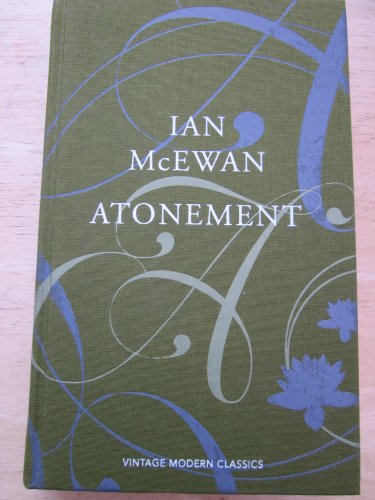
by Ian McEwan
This novel deals heavily with the weight of a singular, life-altering mistake and the lifelong quest for penance. Fans of Dostoevsky will appreciate the meticulous focus on the psychological burden of guilt and the elusive nature of forgiveness.

Prefer to listen?
Try Audible and hear the story instead of reading it.
As an Amazon Associate, we earn from qualifying purchases.
As an Amazon Associate, we earn from qualifying purchases.