

Based on your book
Crime and Punishment
by Fyodor Dostoyevsky
Crime and Punishment throws you headfirst into the feverish mind of Rodion Raskolnikov, a brilliant but destitute student in St. Petersburg. He commits a horrific act, not just out of poverty, but fueled by a chilling theory about "extraordinary men" who stand above moral law. What follows isn't a triumphant escape, but a relentless psychological unraveling. The book is a suffocating, intense journey through guilt, paranoia, and existential dread, making you feel every tremor of Raskolnikov's tortured conscience. Dostoyevsky masterfully pulls you into his internal struggle, as he grapples with the weight of his actions and the slow tightening noose of suspicion. This is for readers who crave deep psychological exploration, aren't afraid of dark, philosophical questions, and want a story that will haunt their thoughts long after the last page.
10 Books similar to 'Crime and Punishment'
If the relentless psychological scrutiny and profound moral dilemmas of Crime and Punishment left you pondering the depths of human nature, you'll find kindred spirits in our curated list. We’ve gathered books that echo Raskolnikov’s internal struggles, whether it’s the existential crisis of a protagonist grappling with a terrible act, the societal critique of a justice system, or the slow-burn torment of guilt. These selections delve into similar explorations of crime, conscience, and the possibility of redemption, promising to keep you engrossed in stories that challenge and provoke.
As an Amazon Associate, we earn from qualifying purchases.
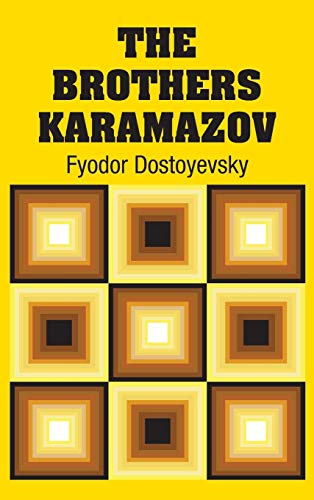
As Dostoyevsky's final masterpiece, this novel explores similar themes of morality, faith, and legal justice through a murder mystery. It delves deeper into the philosophical arguments regarding the existence of God and the nature of free will.

This novella serves as a precursor to the psychological depth of Raskolnikov, featuring a protagonist who is similarly isolated and cynical. It provides a raw, unfiltered look at the internal contradictions of the human psyche and the rejection of rationalism.

by Albert Camus
Like Raskolnikov, Meursault commits a senseless act of violence and must face the legal and philosophical consequences. The book explores the concept of the 'absurd' and the individual's detachment from societal norms and emotions.

by Victor Hugo
This epic tale mirrors the themes of crime, redemption, and the relentless pursuit of justice by a law enforcement figure. It offers a broad social commentary on the plight of the poor and the possibility of moral transformation.

Not sure what they've already read?
Let them pick their next favorite with an Amazon Gift Card.
As an Amazon Associate, we earn from qualifying purchases.
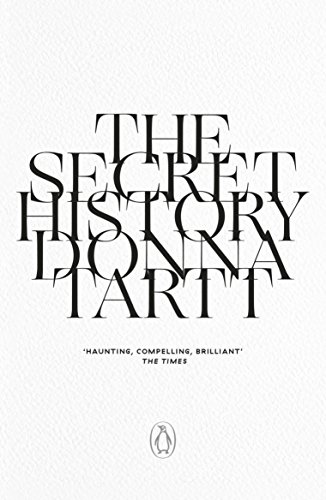
by Donna Tartt
A modern 'inverted detective story' that focuses on the psychological aftermath of a murder rather than the mystery of who did it. It captures the same intellectual arrogance and slow-burn guilt that defines Raskolnikov's journey.

by Franz Kafka
Fans of the bureaucratic and psychological pressure in Crime and Punishment will appreciate this surreal exploration of guilt and the law. It depicts an individual trapped in an incomprehensible system, mirroring Raskolnikov's internal mental prison.

While much more graphic, this novel provides a modern, satirical look at a protagonist who feels superior to society and commits crimes to validate his existence. It explores the same themes of alienation and the breakdown of moral boundaries.

by Leo Tolstoy
Tolstoy’s final major novel focuses specifically on the theme of spiritual and moral redemption following a legal injustice. It offers a scathing critique of the Russian legal system and the hypocrisy of the upper classes.

This Russian classic blends the supernatural with social satire, exploring the nature of good and evil in a repressive society. It shares the philosophical weight and cultural context of Dostoyevsky's work while adding a layer of magical realism.

by Leo Tolstoy
While focused on romance and high society, this novel shares the deep psychological realism and moral scrutiny found in Dostoyevsky. It examines the consequences of breaking social and moral codes through the parallel lives of its characters.

Prefer to listen?
Try Audible and hear the story instead of reading it.
As an Amazon Associate, we earn from qualifying purchases.
As an Amazon Associate, we earn from qualifying purchases.