

Based on your book
Crowbar
by Edwards, Andrew
Crowbar is a raw, unvarnished look at the struggle to survive in a world that feels fundamentally hostile. Andrew Edwards doesn't sugarcoat the experience of growing up autistic in an environment that lacked the vocabulary or the patience to understand him. The narrative feels like a series of sharp, jagged edges; it is intense, often dark, and relentless in its honesty about the isolation and moral ambiguity of his youth. This isn't a story about neatly overcoming obstacles, but rather about the sheer endurance required to remain yourself when society demands you become someone else. It is a demanding read that doesn't offer easy comfort, making it a perfect match for readers who appreciate memoirs that value psychological truth over sentimentality. You will want this book if you prefer your non-fiction with a gritty, uncompromising edge.
10 Books similar to 'Crowbar'
If Crowbar left you shaken by its fierce honesty, these selections offer a way to process those same complex themes of neurodivergent identity and social alienation. We curated this list to mirror the grit and resilience found in Edwards' work, focusing on authors who navigate the tension between internal experience and external judgment. Whether you are looking for more candid memoirs that explore the search for belonging or fictional narratives that capture the sensory reality of feeling like an outsider, these books provide a bridge between the struggle of isolation and the eventual, hard-won clarity of self-acceptance.
As an Amazon Associate, we earn from qualifying purchases.

Like 'Crowbar', this memoir offers a deeply personal and honest look at life on the autism spectrum. Readers will appreciate the candid, introspective narrative that explores the unique challenges and triumphs of navigating a world not built for neurodivergent minds.
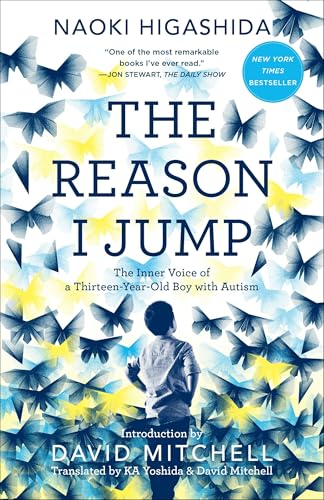
This book provides a powerful, non-verbal perspective on autism that resonates with the raw honesty found in Edwards' work. It offers a similarly profound and empathetic look into the internal experience of someone often misunderstood by society.

Robison's memoir shares the same gritty, often humorous, and resilient spirit as 'Crowbar' while documenting the journey of an undiagnosed child growing up with Asperger's. Fans of Edwards will connect with the struggle to find one's place and the eventual path to self-acceptance.
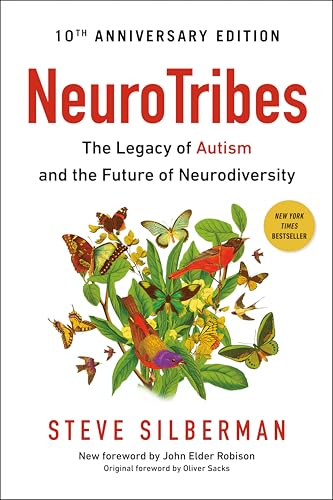
For readers who appreciated the context surrounding neurodivergence in 'Crowbar', this book offers a comprehensive and deeply researched history of autism. It provides a broader societal lens while maintaining a deeply human focus on the individuals involved.

Not sure what they've already read?
Let them pick their next favorite with an Amazon Gift Card.
As an Amazon Associate, we earn from qualifying purchases.

Grandin's classic work serves as a foundational text for understanding the autistic mind, much like how Edwards' book serves as a vital contemporary account. It is highly analytical yet intimate, offering a bridge of understanding that fans of memoir-based neurodivergent literature will value.

by Mark Haddon
While fiction, this novel captures the distinct narrative voice and sensory experiences of an autistic protagonist with remarkable accuracy. It mirrors the 'Crowbar' experience of navigating a confusing, often hostile world with a unique and logical perspective.

McCreary uses humor to dismantle stereotypes about autism, much like Edwards uses his personal story to challenge societal expectations. This memoir is a perfect follow-up for readers who want a lighter, yet equally insightful and resilient take on the neurodivergent experience.

This moving story features an autistic protagonist fighting for justice and recognition in her small town, echoing the themes of resilience and advocacy found in 'Crowbar'. It is a deeply empathetic look at the impact of prejudice and the strength required to stand one's ground.

This memoir details the author's journey from an undiagnosed autistic life to finding connection through the study of primates. The themes of isolation and the search for belonging will strike a resonant chord with anyone moved by Andrew Edwards' personal struggles.

by Laura James
James writes with a similar clarity and vulnerability as Edwards, detailing her late-in-life diagnosis and the relief of finally understanding her own mind. It is a reflective and deeply personal account that validates the experiences of those who felt like outsiders for much of their lives.

Prefer to listen?
Try Audible and hear the story instead of reading it.
As an Amazon Associate, we earn from qualifying purchases.
As an Amazon Associate, we earn from qualifying purchases.