

Based on your book
Currency Wars I
by Song Hongbing
Currency Wars I dives headfirst into the shadowy world of international finance, laying bare a provocative theory: that global currencies and economies aren't just shaped by governments, but by powerful, often unseen private interests. Song Hongbing pulls back the curtain on historical events, connecting dots in a way that feels both revelatory and unsettling. Reading it is an intense, thought-provoking journey, demanding your full attention as it dissects complex financial mechanisms and political maneuverings. It's less about a gentle stroll through economic history and more like a high-stakes investigation, challenging you to reconsider everything you thought you knew about money and power. This is for the reader who relishes a deep, critical historical analysis, enjoys grappling with intricate political intrigue, and isn't afraid to confront uncomfortable truths about who truly pulls the financial strings.
10 Books similar to 'Currency Wars I'
If you found Currency Wars I an eye-opening look at the hidden gears of global finance, then our curated list will give you plenty more to chew on. We've gathered books that, much like Song Hongbing's work, aren't afraid to expose the intricate power dynamics and often cynical manipulations within our economic systems. Whether you're drawn to the detailed historical deep dives into central banking, the unsettling revelations of political intrigue, or critical social commentary on wealth and debt, these selections offer further explorations into the systemic critiques that make you question conventional narratives about money and power.
As an Amazon Associate, we earn from qualifying purchases.
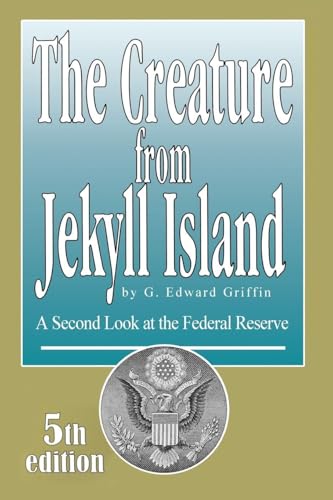
This seminal work meticulously details the origins and operations of the Federal Reserve, arguing it was established by powerful private interests. Fans of "Currency Wars I" will appreciate its deep dive into financial history, exposing hidden power structures and challenging conventional narratives about central banking.

by John Perkins
Perkins's firsthand account reveals how he and others worked to indebt developing nations to enrich American corporations, uncovering a system of global economic manipulation. Readers who enjoyed the exposé of hidden financial agendas in "Currency Wars I" will find this a compelling and cynical look at geopolitical power.

Graeber offers a sweeping historical and anthropological examination of debt's role in human societies, challenging conventional understandings of money and markets. While more academic, its critical analysis of financial systems and power structures provides a profound historical context that "Currency Wars I" readers will find intellectually stimulating.

by Naomi Klein
Klein investigates how powerful actors exploit crises and disasters to implement radical free-market policies, often to the detriment of ordinary citizens. This book resonates with "Currency Wars I" by exposing the cynical manipulation of global events for financial gain and political power.

Love to read on the go?
Explore Kindle e-readers and take your books with you.
As an Amazon Associate, we earn from qualifying purchases.

This Pulitzer Prize-winning history chronicles the lives and decisions of the central bankers who wielded immense power in the interwar period, leading to the Great Depression. Fans of "Currency Wars I" will appreciate the detailed historical account of financial elites and their profound impact on global economies.

Fergusson provides a gripping, detailed account of the hyperinflation crisis in Weimar Germany, illustrating the devastating real-world consequences of financial mismanagement and political instability. Readers of "Currency Wars I" will find its stark portrayal of economic collapse both cautionary and deeply informative.
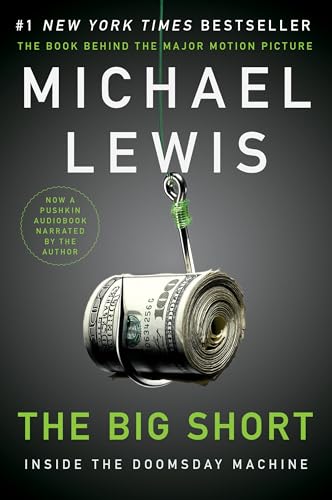
Lewis's thrilling narrative exposes the financial machinations and systemic greed that led to the 2008 global financial crisis, highlighting the few who foresaw and profited from the impending collapse. Fans of "Currency Wars I" will appreciate this contemporary exposé of hidden financial mechanisms and the powerful players behind them.
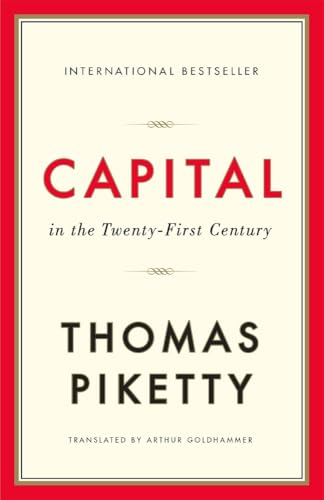
Piketty's monumental work analyzes the historical dynamics of wealth and income inequality, arguing that capitalism naturally tends towards concentration of wealth. While academic, its rigorous analysis and critical perspective on the structure of global finance will appeal to readers interested in the systemic critiques found in "Currency Wars I."

Ferguson offers a comprehensive and engaging history of money, credit, and banking, tracing their evolution and impact on human civilization. While less focused on conspiracy, its broad scope and detailed explanation of financial systems provide crucial context and understanding that readers of "Currency Wars I" will find valuable.
This dystopian novel vividly imagines a future America grappling with a catastrophic financial collapse, exploring the societal breakdown and personal struggles that ensue. For readers of "Currency Wars I" who ponder the real-world implications of financial instability, this fiction offers a chillingly realistic and thought-provoking scenario.

Not sure what they've already read?
Let them pick their next favorite with an Amazon Gift Card.
As an Amazon Associate, we earn from qualifying purchases.
As an Amazon Associate, we earn from qualifying purchases.