

Based on your book
Cyclonopedia
by Reza Negarestani
Cyclonopedia isn't a book you simply read; it's an experience that burrows into your mind. Reza Negarestani constructs a dense, unsettling tapestry where the geopolitics of the Middle East, the history of oil, and ancient occultism converge into a single, monstrous entity. This isn't a straightforward narrative, but a mosaic of philosophical treatises, fabricated documents, and speculative horror, all hinting at a terrifying, active intelligence beneath the desert sands, driving human conflict and consumption. The reading feels like deciphering a forbidden grimoire, disturbing and profoundly thought-provoking. It's for readers who crave intellectual challenges, who are fascinated by the hidden forces shaping our world, and who aren't afraid to confront deeply uncomfortable ideas about non-human agency and the dark currents of history. If you enjoy texts that blur the lines between academic theory, cosmic horror, and political commentary, prepare for a truly unique journey.
10 Books similar to 'Cyclonopedia'
For those who found themselves captivated by Cyclonopedia's unsettling blend of philosophical horror and geopolitical analysis, we've curated a list of books that echo its unique intensity. Whether you were drawn to the bleak, anti-humanist philosophy that questions our place in the cosmos, the challenging theoretical explorations of power dynamics and non-human agency, or the deeply disturbing atmosphere that permeates its pages, you'll find kindred spirits here. These recommendations delve into similar dark currents, offering profound intellectual challenges and exploring the hidden, often terrifying, forces that shape existence, from the societal to the cosmic.
As an Amazon Associate, we earn from qualifying purchases.

by Nick Land
Nick Land is a foundational figure in the philosophical currents that heavily influence Negarestani, particularly accelerationism and speculative realism. This collection offers a dense, challenging, and often disturbing exploration of capitalism, technology, and the future of humanity, echoing Cyclonopedia's theoretical intensity and dark vision.

by Gilles Deleuze and Félix Guattari
This seminal work of philosophy is a direct intellectual precursor to Cyclonopedia, introducing concepts like rhizomes, deterritorialization, and the war machine that Negarestani reinterprets. Readers will find a similar non-linear, dense, and highly conceptual approach to understanding complex systems and their political implications.

For fans drawn to Cyclonopedia's bleak, anti-humanist philosophical horror, Ligotti's non-fiction treatise on cosmic pessimism offers a deep dive into the inherent horror of existence. It shares a profoundly disturbing tone and a rigorous, if despairing, intellectual approach to the human condition.

McCarthy's masterpiece shares Cyclonopedia's unflinching portrayal of violence, the desert as a powerful, indifferent character, and a deeply philosophical, almost mythic exploration of human nature's darkest aspects. The prose is distinct, but the grim atmosphere and underlying questions about agency and fate resonate strongly.

Not sure what they've already read?
Let them pick their next favorite with an Amazon Gift Card.
As an Amazon Associate, we earn from qualifying purchases.

by J.G. Ballard
Ballard's experimental novel blurs the lines between reality, media, and psychological trauma, using a fragmented, analytical style to dissect modern pathologies. Its disturbing themes, intellectual rigor, and non-traditional narrative structure will appeal to those who appreciate Cyclonopedia's genre-bending approach to horror and theory.

by Mark Fisher
Fisher's influential work critically analyzes the pervasive influence of capitalism on contemporary society, from politics to mental health. It offers a sharp, analytical, and often bleak perspective on systemic issues, mirroring Cyclonopedia's critical engagement with geopolitical and economic forces.

by Liu Cixin
This hard science fiction epic delves into profound philosophical questions about humanity's place in the universe, the nature of intelligence, and existential threats on a cosmic scale. Its intricate plot, intellectual ambition, and exploration of alien encounters resonate with Cyclonopedia's speculative theorizing and non-human agency.

by N.K. Jemisin
While fantasy, Jemisin's novel creates a world where the very planet is a sentient, hostile entity, forcing humanity to adapt or perish. This concept of geological agency and the exploration of power, oppression, and environmental themes align with Cyclonopedia's portrayal of the Earth and oil as active, political forces.

by Mark Fisher
Mark Fisher's analytical exploration of the aesthetic categories of the 'weird' and the 'eerie' provides a critical lens through which to understand the unsettling atmosphere and conceptual landscape of works like Cyclonopedia. It's a non-fiction work that delves into the nature of the unknown and the unheimlich, offering insights into Negarestani's style.
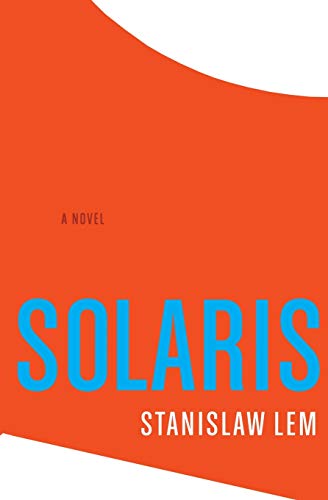
Lem's classic sci-fi novel explores humanity's futile attempts to comprehend a sentient alien ocean, a vast, unknowable entity that defies human logic and perception. This theme of non-human agency and the philosophical limits of human understanding directly mirrors Cyclonopedia's engagement with the 'outside' and the non-human.

Prefer to listen?
Try Audible and hear the story instead of reading it.
As an Amazon Associate, we earn from qualifying purchases.
As an Amazon Associate, we earn from qualifying purchases.