

Based on your book
Dark Psychology and Manipulation
by Cooper, William
William Cooper presents an unflinching look at the mechanics of influence, stripping away the polite veneer of social interaction to expose the darker impulses that drive human behavior. This book functions as a cold, analytical guide to the tactics used to sway, control, or exploit others. You will not find fluff here; the prose is clinical and direct, designed to pull back the curtain on how power dynamics actually function in the real world. It forces you to confront uncomfortable truths about human nature and your own susceptibility to persuasion. This is a must for readers who value pragmatic, albeit cynical, knowledge over idealism. If you want to understand the hidden architecture of social control or need to sharpen your defenses against those who play by different moral rules, this book provides the necessary, if slightly unsettling, toolkit.
10 Books similar to 'Dark Psychology and Manipulation'
Since you connected with the darker, analytical side of human interaction, these recommendations are designed to broaden your understanding of influence and power. We have curated a selection that bridges the gap between scientific cognitive bias in books like Thinking, Fast and Slow and the calculated, strategic maneuvering found in The 48 Laws of Power. Whether you are interested in the historical roots of mass persuasion or the practical, real-world application of detecting deception, these titles explore the same moral ambiguity and power dynamics that make Cooper's work so compelling.
As an Amazon Associate, we earn from qualifying purchases.
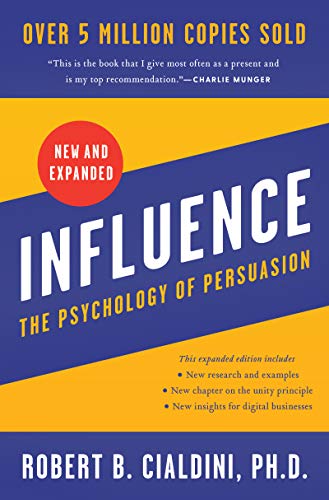
This is the seminal work on the mechanics of persuasion that underpins much of the subject matter in Cooper's book. Readers interested in the 'how' and 'why' of human compliance will find this essential reading for understanding the psychological triggers that manipulators exploit.

Greene's work serves as a practical, albeit ruthless, manual for navigating power dynamics in social and professional settings. Fans of Cooper's exploration of manipulation will appreciate the strategic, Machiavellian approach to understanding human ambition and control.

by Eric Berne
Berne introduces transactional analysis to explain the subconscious games people play in their social interactions. It provides a fascinating framework for identifying the manipulative patterns that Cooper discusses, helping readers decode everyday social behavior.

While focused on the dynamics of attraction, this book is essentially a deep dive into the psychology of influence and emotional manipulation. It complements Cooper's work by showing how specific psychological tactics are applied to capture and control the attention of others.

Not sure what they've already read?
Let them pick their next favorite with an Amazon Gift Card.
As an Amazon Associate, we earn from qualifying purchases.

Kahneman provides the scientific foundation for understanding the cognitive biases that make people vulnerable to manipulation. It is an intellectual deep dive that explains why our brains are prone to the errors in judgment that Cooper's book warns against.

As the father of public relations, Bernays outlines how the masses can be manipulated through psychological techniques. This book is a historical necessity for understanding the origins of mass persuasion and the dark side of influence.

by Martha Stout
Stout explores the psychology of those who lack a conscience and how they manipulate the people around them. It is a chilling, informative read that helps readers identify and protect themselves from the very types of personalities Cooper describes.

This textbook-style expansion on Cialdini's theories provides rigorous evidence for the psychological tactics that Cooper introduces. It is perfect for readers who want to move beyond surface-level manipulation tactics to understand the underlying behavioral science.

Greene attempts to decode the patterns of human behavior to help readers master their own emotions and understand others. It serves as a comprehensive guide that mirrors the goal of Cooper's book: arming the reader with knowledge to navigate a complex social world.

by Philip Houston, Michael Floyd, and Susan Carnicero
Written by former CIA officers, this book offers actionable techniques for detecting deception and manipulation in real-time. It bridges the gap between theoretical psychology and practical, real-world application, much like the advice found in Cooper's work.

Prefer to listen?
Try Audible and hear the story instead of reading it.
As an Amazon Associate, we earn from qualifying purchases.
As an Amazon Associate, we earn from qualifying purchases.