

Based on your book
De domheid regeert
by Sander Schimmelpenninck
Sander Schimmelpenninck does not mince words in this sharp-edged critique of modern Dutch society. He tackles the erosion of intellectual rigor and the growing tendency to prioritize populist sentiment over hard facts. The book feels like a conversation with an incredibly well-informed, albeit deeply frustrated, friend who is tired of watching the world slide toward mediocrity. You will find yourself nodding along one moment and bristling the next, as his cynical, punchy writing style forces you to confront the uncomfortable realities of modern power dynamics and social stratification. It is an ideal pick for readers who enjoy political commentary that refuses to play nice, those who are already skeptical of institutional narratives, and anyone looking for a provocative, unapologetic take on why we seem to be losing our collective grip on common sense.
10 Books similar to 'De domheid regeert'
When you finish this book, you might find yourself craving more intellectual ammunition to make sense of the current societal landscape. We have curated a selection of titles that mirror Schimmelpenninck’s analytical intensity and his focus on power dynamics and the decline of expertise. Whether you want to explore the economic foundations of inequality in Piketty’s work, examine the psychological roots of our current discourse with Haidt, or dive into the structural failures of the elite with Luyendijk, these books extend the conversation, offering deeper frameworks for the systemic issues that make Schimmelpenninck’s arguments feel so urgent.
As an Amazon Associate, we earn from qualifying purchases.
Like Schimmelpenninck, Luyendijk dives deep into the structures of power and class in the Netherlands with a critical, journalistic eye. This book offers a similarly analytical and provocative look at how the upper echelons of society influence, and often fail, the rest of the population.

Fans of Schimmelpenninck's critique of modern societal dysfunction will appreciate Graeber's sharp, witty, and deeply researched analysis of why meaningless work dominates our lives. It shares the same tone of intellectual frustration with the status quo and systemic absurdity.

While Bregman offers a more optimistic counterpoint to Schimmelpenninck's often cynical worldview, both authors are essential voices in the Dutch public debate who challenge prevailing narratives about human nature and society. Reading them together provides a fascinating, balanced perspective on the state of our world.

by Tom Nichols
This book directly mirrors the central theme of 'De domheid regeert': the dangerous erosion of respect for knowledge, facts, and expertise in the digital age. It provides a global, academic context to the specific Dutch frustrations Schimmelpenninck articulates.

Not sure what they've already read?
Let them pick their next favorite with an Amazon Gift Card.
As an Amazon Associate, we earn from qualifying purchases.
For readers who enjoyed his specific voice and style in 'De domheid regeert', his other works are essential reading. This collection of columns and essays continues his signature blend of sharp social criticism, irony, and unapologetic commentary on Dutch class structures.
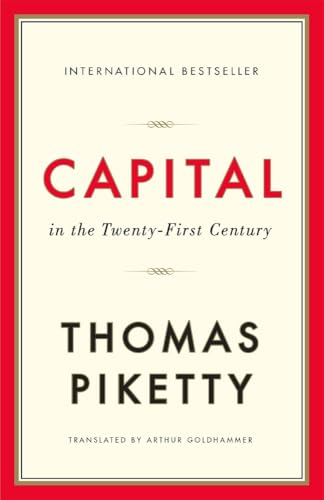
Schimmelpenninck frequently discusses wealth inequality, and Piketty provides the definitive economic framework for understanding the mechanisms of that inequality. It is a dense but rewarding read for anyone who wants to understand the 'why' behind the power dynamics discussed in Schimmelpenninck's work.

by Lee McIntyre
McIntyre explores the breakdown of objective truth, a phenomenon that Schimmelpenninck identifies as a symptom of the 'stupidity' currently ruling our discourse. It is a rigorous, analytical look at the psychological and political forces that allow misinformation to thrive.

by Greg Lukianoff and Jonathan Haidt
This book examines how modern cultural trends are affecting intellectual discourse and resilience, themes that resonate strongly with Schimmelpenninck's critique of societal decline. It offers a psychological and sociological lens to view the 'stupidity' he often critiques.

Sandel provides a brilliant philosophical critique of the meritocracy, a topic Schimmelpenninck touches upon when discussing class and privilege. It is a must-read for anyone interested in the moral and political consequences of believing that success is solely the result of one's own efforts.
Kalshoven offers a nuanced look at the Dutch elite, providing a perfect companion piece to Schimmelpenninck's more aggressive style. It explores who actually holds power in the Netherlands and how they maintain it, matching the subject matter of 'De domheid regeert' perfectly.

Prefer to listen?
Try Audible and hear the story instead of reading it.
As an Amazon Associate, we earn from qualifying purchases.
As an Amazon Associate, we earn from qualifying purchases.