

Based on your book
Dead poets society
by N. H. Kleinbaum
Dead Poets Society drops you into the hallowed, rigid halls of Welton Academy, an elite all-boys boarding school where tradition reigns supreme. Everything changes with the arrival of John Keating, a new English teacher who challenges his students to "carpe diem" – seize the day. He encourages them to rip pages from textbooks, stand on desks, and find their own voices through poetry, sparking the revival of a secret society. The reading experience is a poignant journey through the highs of youthful rebellion and profound self-discovery, balanced with a deep, melancholic undertone. It’s a story that champions individuality and the power of mentorship, but also confronts the tragic consequences of challenging the status quo. If you're drawn to narratives about intellectual awakening, intense adolescent friendships, and the bittersweet ache of growing up, this book will resonate deeply.
10 Books similar to 'Dead poets society'
If the blend of intellectual awakening, poignant friendships, and the fierce spirit of rebellion in Dead Poets Society stayed with you long after the final page, then our curated list is for you. We've gathered books that capture that same emotional intensity and thought-provoking depth. You'll find stories about young people navigating the complexities of self-discovery and challenging the status quo in restrictive environments, much like the students at Welton. Many feature transformative mentors who inspire profound change, or explore the bittersweet journey of losing innocence as characters grapple with their place in the world. These selections echo the melancholy beauty and inspiring power of finding your own voice.
As an Amazon Associate, we earn from qualifying purchases.

by John Knowles
This classic boarding school novel explores the intense friendship and rivalry between two boys during World War II, mirroring 'Dead Poets Society's' themes of male bonding, loss of innocence, and the pressures of an elite academic environment. It delves into the psychological complexities of youth and the tragic consequences of unspoken truths, much like the emotional depth found in Mr. Keating's class.

by Donna Tartt
Fans of 'Dead Poets Society' will appreciate this dark academia novel's deep dive into an elite college setting where a charismatic professor influences a group of intellectually curious, yet morally ambiguous, students. It shares a similar atmosphere of intense camaraderie, intellectual awakening, and the tragic unraveling of a secret society, albeit with a much darker, suspenseful twist.

Holden Caulfield's rebellion against the 'phoniness' of the adult world and his struggle with conformity will resonate deeply with readers who enjoyed the non-conformist spirit of 'Dead Poets Society.' This coming-of-age story captures the angst, introspection, and search for authenticity that characterize the students' journey under Mr. Keating's influence.

This epistolary novel beautifully captures the emotional intensity of adolescence, friendship, and the search for belonging, much like the bonds formed in 'Dead Poets Society.' It explores themes of self-discovery, the impact of mentorship, and the poignant journey of an outsider finding his voice and place in the world.

Not sure what they've already read?
Let them pick their next favorite with an Amazon Gift Card.
As an Amazon Associate, we earn from qualifying purchases.

While significantly darker, this allegorical novel shares 'Dead Poets Society's' focus on a group of young boys in an isolated environment, exploring the breakdown of order and the loss of innocence. It offers a profound, albeit bleak, examination of human nature, power dynamics, and the consequences when societal structures crumble, forcing individuals to confront their true selves.
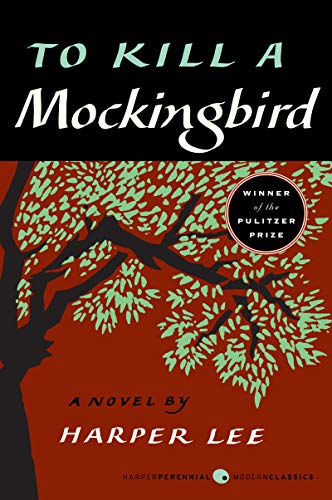
by Harper Lee
This enduring classic, like 'Dead Poets Society,' champions moral courage and the importance of standing up for one's beliefs against societal pressure. It features a powerful mentor figure in Atticus Finch, whose lessons on empathy and justice profoundly shape the coming-of-age experience of his children, echoing Mr. Keating's impact on his students.

by Mitch Albom
This non-fiction memoir offers a powerful exploration of mentorship and life lessons, similar to the profound influence Mr. Keating has on his students. It's a deeply emotional and philosophical account of a former student reconnecting with his dying professor, receiving invaluable wisdom about life, death, and finding meaning.

This iconic American novel, narrated with a reflective and observant voice, critiques societal values and the pursuit of an idealized dream, much like 'Dead Poets Society' challenges conformity. It delves into themes of idealism, disillusionment, and the tragic consequences of chasing unattainable desires, all set against a backdrop of intense social commentary.

For those who appreciate the intellectual and introspective aspects of 'Dead Poets Society,' 'Stoner' offers a poignant portrayal of a quiet academic's life, dedicated to literature and the pursuit of knowledge. It's a deeply reflective character study about finding passion and meaning within the confines of a conventional life, and the subtle forms of rebellion against societal expectations.

by Alan Bennett
This play (also available in book form) directly echoes 'Dead Poets Society' with its focus on a group of bright, ambitious students at an English grammar school and their eccentric, inspiring teachers. It explores different teaching philosophies, the power of education, intellectual debate, and the coming-of-age journey of young men grappling with their futures.

Prefer to listen?
Try Audible and hear the story instead of reading it.
As an Amazon Associate, we earn from qualifying purchases.
As an Amazon Associate, we earn from qualifying purchases.