

Based on your book
Dead Things
by Stephen Blackmoore
Stephen Blackmoore's Dead Things throws you into the grimy streets of Los Angeles, where necromancer Eric Carter is back in town for one reason: revenge. His sister is dead, and he's going to find out who — or what — did it, no matter the cost. This isn't a hero's journey; it's a brutal, relentless hunt through a city crawling with dangerous magic and even more dangerous people. Blackmoore doesn't pull punches, delivering a story that feels raw and urgent, packed with visceral action and a magic system that's as potent as it is perilous. You'll spend this book on edge, watching Carter make impossible choices, blurring the lines between right and wrong as he navigates a world where every step is a gamble. If you appreciate a morally ambiguous anti-hero, a dark urban fantasy setting, and a relentless pace, Dead Things will grab you by the throat and not let go. It's intense, emotional, and utterly uncompromising.
10 Books similar to 'Dead Things'
If you found yourself drawn to Eric Carter's grim quest for justice in Dead Things, you're likely craving more dark, gritty urban fantasy with a punch. Our recommendations lean into that morally ambiguous anti-hero archetype and the visceral, action-packed magic Blackmoore delivers. We've curated this list for readers who appreciate protagonists willing to get their hands dirty, complex magic systems intertwined with noir-style investigations, and a relentless pace that keeps you turning pages. You'll find kindred spirits in these worlds, where the lines between good and evil are perpetually blurred, and the supernatural is always a dangerous, tangible force.
As an Amazon Associate, we earn from qualifying purchases.
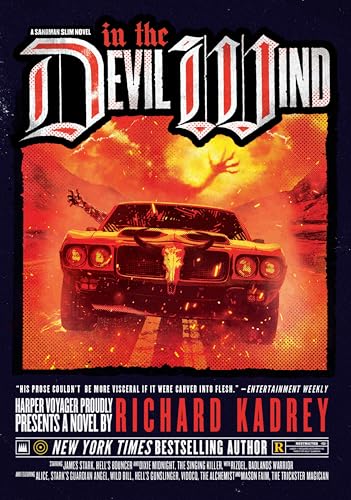
Fans of Gideon Crowe's cynical, violent, and morally ambiguous approach to magic will find a kindred spirit in James Stark, a supernatural assassin who literally escapes Hell for revenge. Kadrey's series shares Blackmoore's gritty urban setting, fast-paced action, and dark humor, immersing readers in a brutal yet compelling supernatural underworld.
by Mike Carey
For those who appreciate "Dead Things'" exploration of necromancy and the dark side of dealing with the deceased, Felix Castor offers a similar premise. As an exorcist and occult detective in London, Castor navigates a world of ghosts, demons, and human corruption with a weary cynicism and a knack for getting into trouble, mirroring Gideon Crowe's professional hazards and personal demons.

by Jim Butcher
While sometimes lighter in tone, Jim Butcher's Harry Dresden is the quintessential urban fantasy wizard-for-hire, operating in a Chicago filled with supernatural threats. Readers who enjoy Gideon Crowe's role as a magical problem-solver, his sarcastic narrative voice, and the blend of magic with noir-style investigation will find themselves right at home with Dresden's adventures.

If the necromancy aspect of "Dead Things" is a major draw, Johannes Cabal is an absolute must-read. Cabal is a brilliant, ruthless, and darkly humorous necromancer who literally bargains with the devil for his soul. The series shares Blackmoore's cynical wit, morally ambiguous protagonist, and a deep dive into the practical (and often gruesome) applications of raising the dead.

Love to read on the go?
Explore Kindle e-readers and take your books with you.
As an Amazon Associate, we earn from qualifying purchases.

While set in a more traditional fantasy world, the "Low Town" series perfectly captures the gritty, noir atmosphere and morally compromised protagonist that defines "Dead Things." The Warden, a former soldier turned drug dealer and investigator, navigates a corrupt, crime-ridden city, offering a similar blend of dark mystery, brutal action, and a cynical, world-weary narrative voice.

For readers who enjoy the concept of a hidden magical world coexisting with modern city life, the "Rivers of London" series provides a compelling alternative. Peter Grant, a London police constable turned apprentice wizard, investigates supernatural crimes with a blend of police procedural and urban fantasy, offering a slightly less grim but equally intriguing exploration of magic in the metropolis.

Fans of "Dead Things" who appreciate a blend of dark humor, a hidden bureaucratic world, and the existential horror of powerful magic will enjoy "The Laundry Files." Bob Howard, a computer geek working for a secret British agency, deals with Cthulhu-esque threats using applied mathematics, providing a unique, cynical, and often hilarious take on the supernatural underbelly of the modern world.

by Neil Gaiman
This classic urban fantasy offers a rich, atmospheric dive into a hidden, dangerous magical world beneath London, mirroring the sense of a secret supernatural layer in "Dead Things." While more fantastical and less noir, the journey of Richard Mayhew into London Below shares the theme of an ordinary person thrust into extraordinary, often perilous, magical circumstances, with a dark, adventurous vibe.
by Neil Gaiman
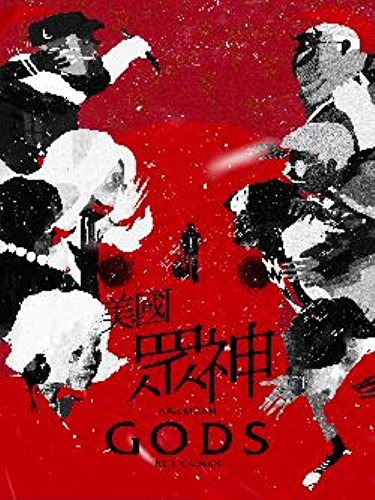
Readers drawn to the darker, mythological aspects and power struggles within "Dead Things" will appreciate "American Gods." This epic tale follows an ex-con caught in a war between old gods and new deities across America, blending ancient folklore with a modern, gritty landscape. It offers a similar sense of powerful, dangerous magic and morally ambiguous characters navigating a hidden world.
by Lev Grossman
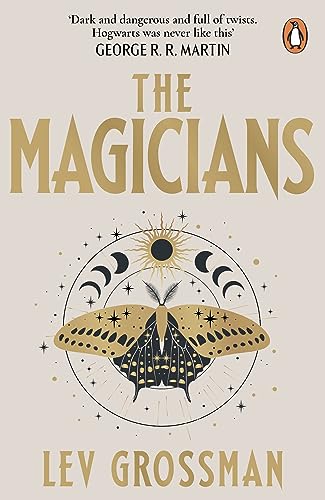
For those who enjoy the more cynical and realistic portrayal of magic and its consequences in "Dead Things," "The Magicians" offers a compelling, darker take on the "magic school" trope. It explores the disillusionment, moral complexities, and psychological toll of wielding powerful magic, appealing to readers who appreciate a more introspective yet still intense and often bleak view of the supernatural.

Not sure what they've already read?
Let them pick their next favorite with an Amazon Gift Card.
As an Amazon Associate, we earn from qualifying purchases.
As an Amazon Associate, we earn from qualifying purchases.