

Based on your book
Death by Meeting
by Lencioni, Patrick M.
Lencioni turns the universal office grievance of the soul-crushing meeting into a narrative case study. The story follows a struggling executive who discovers that his company’s lack of progress isn't due to a lack of talent, but a complete failure in how people interact. The book is structured as a business fable, which makes the dry, analytical concepts of meeting structure feel surprisingly human and urgent. You will find yourself observing your own office dynamics with a new, sharper lens, identifying the specific power struggles and boredom-inducing formats that stall real work. It is not a textbook, but rather a diagnostic tool wrapped in a story. This is essential reading for anyone who feels like their professional life is being held hostage by calendar invites and wants to reclaim their time through intentional, high-stakes communication.
10 Books similar to 'Death by Meeting'
If the structural overhaul in Death by Meeting left you wanting more, our curated list leans into the same blend of narrative instruction and rigorous self-improvement. We have selected titles like The Phoenix Project and The Goal because they master the business fable format, turning complex operational theory into readable drama. For those interested in the underlying psychology of these interactions, authors like Daniel Coyle and Joseph Grenny provide the necessary context on group culture and high-stakes communication, helping you move from simply fixing a meeting to building a more resilient, high-functioning team.
As an Amazon Associate, we earn from qualifying purchases.
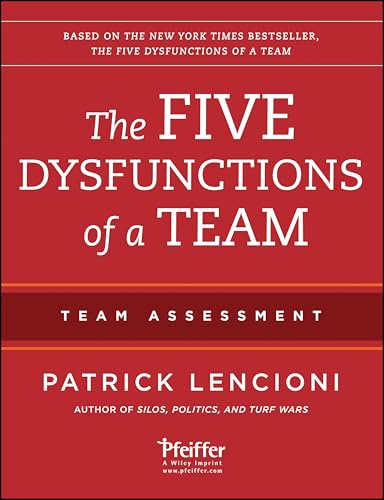
As the foundational text by the same author, this book shares the exact narrative fable style and focuses on the root causes of organizational failure. Readers who appreciated the practical management insights and character-driven lessons in Death by Meeting will find this essential reading.

by Gene Kim, Kevin Behr, and George Spafford
This book uses a compelling fictional narrative to explain complex IT and DevOps management principles, much like Lencioni uses stories to teach meeting structures. It perfectly mirrors the 'business fable' format while tackling the chaos of modern corporate environments.

by Jocko Willink and Leif Babin
While less of a fable, this book provides the direct, actionable leadership philosophy that complements the meeting strategies discussed in Lencioni's work. It focuses on the same core principle: taking responsibility for organizational outcomes through better communication and discipline.

Widely considered the pioneer of the business fable genre, this book follows a plant manager trying to save his factory, mirroring the narrative structure Lencioni perfected. It is a classic for anyone interested in how storytelling can simplify complex operational problems.

Not sure what they've already read?
Let them pick their next favorite with an Amazon Gift Card.
As an Amazon Associate, we earn from qualifying purchases.

by Joseph Grenny, Kerry Patterson, et al.
This book addresses the communication breakdowns that often happen during the meetings Lencioni describes. It provides the psychological tools necessary to turn high-stakes, emotional discussions into productive outcomes.

by Cal Newport
Fans of Lencioni's critique of unproductive meetings will appreciate Newport's argument against the 'distraction economy' that plagues modern offices. It offers a strategic framework for reclaiming time and focus, which is the ultimate goal of effective meeting management.
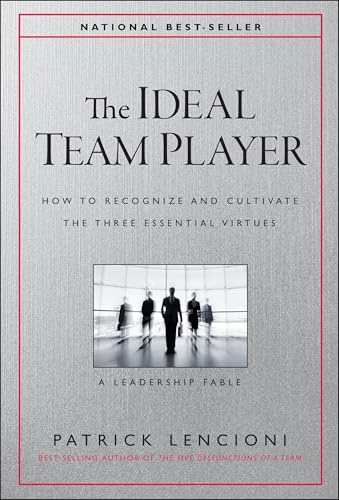
Another entry by Lencioni, this book completes the trilogy of his core organizational health concepts by focusing on the individual traits required for effective collaboration. It is the perfect follow-up for readers who want to apply the meeting principles to the people attending them.

by James Clear
Just as Lencioni suggests small structural changes to fix meetings, Clear argues that tiny, consistent changes lead to massive organizational and personal results. It shares the same pragmatic, systems-based approach to solving chronic problems.

by Daniel Coyle
This book explores the 'how' behind successful group dynamics, providing the scientific backing for the cultural health Lencioni advocates for in his fables. It is an essential read for understanding why certain teams click while others fail.

by David Allen
This productivity classic aligns with the Lencioni philosophy of reducing cognitive load and managing workflow effectively. It provides the individual-level discipline that complements the team-level discipline required to make meetings actually work.

Prefer to listen?
Try Audible and hear the story instead of reading it.
As an Amazon Associate, we earn from qualifying purchases.
As an Amazon Associate, we earn from qualifying purchases.