

Based on your book
Death of the Author
by Okorafor, Nnedi
Nnedi Okorafor strips away the comfort of traditional science fiction to examine the unsettling intersection of human ego and artificial creation. At its heart, this story interrogates who actually owns a narrative once it gains a life of its own. You are not going to find a propulsive space opera here; instead, you get a meditative, almost clinical dissection of what happens when the creator is rendered obsolete by their own invention. The prose is sharp and demanding, forcing you to slow down and sit with the discomfort of moral ambiguity. It is a cerebral experience that feels less like reading a story and more like participating in a high-stakes philosophical argument. Pick this up if you enjoy fiction that functions as a mirror for our own digital anxieties and are willing to trade action for deep, lingering questions about identity.
10 Books similar to 'Death of the Author'
If this book left you questioning the boundary between programmer and program, these selections will keep that momentum going. We curated this list to explore the ethics of sentient machines and the fragility of human legacy. Whether it is the fragmented witness statements in The Employees or the rigorous thought experiments of Ted Chiang, these stories share a common obsession with the cost of autonomy. These authors move beyond standard tropes, focusing instead on the quiet, often lonely reality of artificial consciousness and the shifting definitions of what it means to be a person.
As an Amazon Associate, we earn from qualifying purchases.
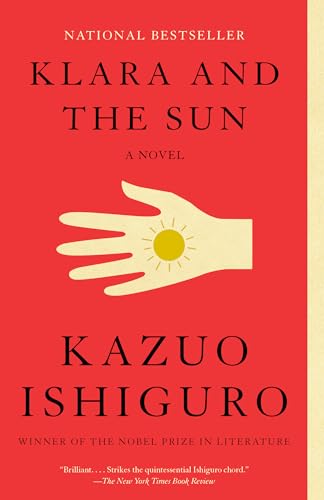
Like Okorafor's work, this novel explores the intersection of artificial intelligence and the human experience, focusing on what it means to possess a soul. It shares a contemplative, observational tone that questions the nature of creativity and existence.

Since fans of Okorafor's shorter works often appreciate her unique blend of Afrofuturism and intimate character studies, this novella is a perfect progression. It features a protagonist navigating complex cultural and technological landscapes with a voice that feels both alien and deeply human.

by Ted Chiang
Chiang's collection of short stories mirrors the intellectual rigor and philosophical inquiry found in Okorafor's exploration of authorship and AI. Each story functions as a thought experiment that challenges the reader's perception of reality and technology.

This book tackles the ethics of AI, autonomy, and the commodification of intellectual property, themes that resonate deeply with the premise of 'Death of the Author.' It is a gritty, fast-paced exploration of what happens when creations gain consciousness.

Not sure what they've already read?
Let them pick their next favorite with an Amazon Gift Card.
As an Amazon Associate, we earn from qualifying purchases.

by S.B. Divya
Set in a future where AI and human labor are inextricably linked, this novel examines the rights of artificial entities and the shifting definition of personhood. It shares the same forward-thinking, speculative atmosphere as Okorafor's work.

by Olga Ravn
Written as a series of witness statements from the crew of a spaceship containing both humans and humanoids, this book is a masterclass in examining identity through a fragmented narrative. It captures the same eerie, introspective vibe regarding the nature of artificial life.

As a foundational text for the digital consciousness themes explored in modern speculative fiction, Gibson's work provides the stylistic DNA for stories about AI and authorship. It is essential reading for understanding the 'vibe' of artificial minds in literature.

This story is told from the perspective of a robot in a post-human world, offering a unique look at memory, legacy, and the 'death' of the creators. It echoes the philosophical concerns of Okorafor's work through a haunting, character-driven lens.

by Ted Chiang
Chiang's writing is often compared to Okorafor's for its ability to weave high-concept science fiction with deeply human emotional stakes. This collection explores the 'death of the author' concept by examining language, fate, and the nature of stories themselves.

The quintessential exploration of the blurred lines between human and machine, this novel directly informs the themes of authorship, empathy, and reality found in Okorafor's writing. It is a classic that remains deeply relevant to modern AI discourse.

Prefer to listen?
Try Audible and hear the story instead of reading it.
As an Amazon Associate, we earn from qualifying purchases.
As an Amazon Associate, we earn from qualifying purchases.