
Based on your book
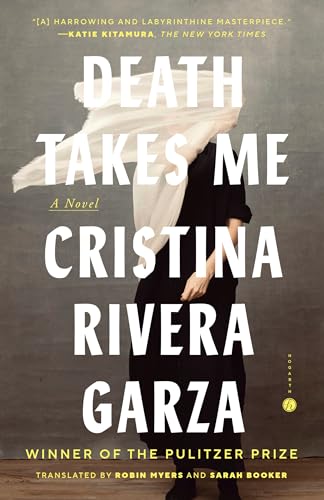
Death Takes Me
by Cristina Rivera Garza
Death Takes Me drops you into a disquieting Mexico City where a professor, Cristina Rivera Garza, stumbles upon a man's corpse and a chilling message. What unfolds isn't your typical whodunit, but a descent into a labyrinth of secrets, gendered violence, and the unsettling question of what the professor truly saw. The reading experience is intensely atmospheric and psychologically charged, feeling less like a procedural investigation and more like a fever dream. Rivera Garza uses language with surgical precision, crafting sentences that cut deep as you navigate an unreliable narrative and the blurred lines between victim and observer. This book is for readers who crave literary thrillers that challenge rather than comfort, who appreciate a story that delves into power dynamics and social commentary with a dark, poetic edge, and who enjoy piecing together meaning from a profoundly unsettling puzzle.
10 Books similar to 'Death Takes Me'
If Death Takes Me left you grappling with its layered mystery and the profound psychological depth of its characters, these recommendations will resonate deeply. We've curated titles that share that same intellectual rigor and willingness to explore uncomfortable truths. You'll find similar journeys into unreliable narration and the complex act of storytelling in Janet Malcolm's The Journalist and Her Murderer. For that unsettling, psychologically charged atmosphere and sense of creeping dread, Samanta Schweblin's Fever Dream is a perfect next step. Each of these books delves into the shadows of human experience and societal secrets, often with a similarly fragmented or introspective style.
As an Amazon Associate, we earn from qualifying purchases.
This non-fiction work delves into the ethical complexities of true crime narratives and the elusive nature of truth, echoing Rivera Garza's own struggle to articulate and understand her sister's death through language and memory. It offers a similarly analytical and psychologically intense exploration of storytelling and its consequences.

Nelson's fragmented, lyrical exploration of color, grief, and desire mirrors Rivera Garza's poetic and philosophical approach to memory and the body. Both authors use a deeply introspective and essayistic style to dissect profound emotional and intellectual experiences.

by Rachel Cusk
Cusk's novel, told through a series of conversations, shares Rivera Garza's intellectual rigor and introspective examination of self, identity, and the act of storytelling. The narrative voice is observational and analytical, inviting readers to piece together meaning from fragmented encounters.

Lispector's novella offers a similarly intense and philosophical dive into the inner life of a marginalized woman, exploring themes of existence, poverty, and the struggle for meaning through a unique, fragmented narrative voice that resonates with Rivera Garza's experimental style.

Not sure what they've already read?
Let them pick their next favorite with an Amazon Gift Card.
As an Amazon Associate, we earn from qualifying purchases.

This tense, atmospheric novella creates a palpable sense of dread and mystery surrounding a mother's anxieties and an unexplained illness, evoking a similar disturbing and psychologically charged atmosphere found in Rivera Garza's exploration of unseen violence and trauma.
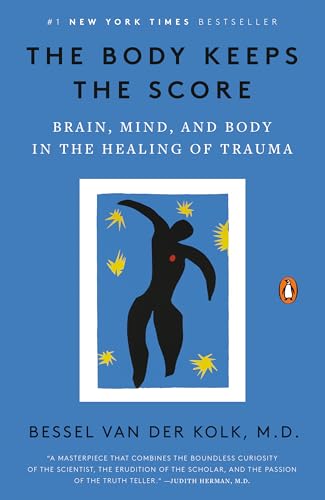
While non-fiction, this book offers a profound and scientific exploration of how trauma, including violence, impacts the body and mind, providing a crucial framework for understanding the physical and psychological aftermath that is a central, though more personal, theme in Rivera Garza's work.

Luiselli's novel blends personal narrative with urgent political and social commentary, particularly concerning migration and lost lives at the US-Mexico border, echoing Rivera Garza's engagement with Mexican societal issues and the profound impact of collective and personal loss.

by Octavio Paz
Paz's seminal essays provide a deep intellectual and historical context for understanding Mexican identity, culture, and its complex relationship with death and solitude, offering a philosophical foundation that informs and complements the themes explored in Rivera Garza's deeply personal work.

Tokarczuk's novel features an eccentric, philosophical narrator investigating mysterious deaths, blending elements of mystery with deep ecological and existential reflections. Its unique narrative voice and dark, contemplative tone will appeal to readers who appreciate Rivera Garza's intellectual and atmospheric approach.

by Juan Rulfo
This classic of Latin American literature masterfully explores themes of death, memory, and a haunted past through a fragmented, lyrical narrative set in a spectral Mexican town. Its deep engagement with the afterlife and the echoes of violence resonates strongly with Rivera Garza's work.

Prefer to listen?
Try Audible and hear the story instead of reading it.
As an Amazon Associate, we earn from qualifying purchases.
As an Amazon Associate, we earn from qualifying purchases.