

Based on your book
Decomposition Book
by van Os, Sara
Decomposition Book isn't a story you simply read; it's an invitation to a profound, often unsettling, internal exploration. This book engages you directly, perhaps through its structure or prompts, pushing you to confront the unraveling of ideas, identities, and the very fabric of existence. It cultivates a dark, melancholy atmosphere, making you ponder the nature of secrets, the weight of lies, and the moral ambiguities that define us. The experience is deeply psychological, prompting an existential crisis in the most intriguing way, encouraging you to strip away layers and examine what remains. It's for readers who crave a thought-provoking journey, who aren't afraid of introspection, and who find beauty in decay and discovery in the uncomfortable truths of self and nature.
10 Books similar to 'Decomposition Book'
If 'Decomposition Book' resonated with your desire for introspection and unconventional engagement, you'll find kindred spirits in our curated list. These recommendations delve into similar terrains, whether by prompting direct, often destructive, interaction with the book itself, or by inviting deep, thoughtful observation of natural cycles. They share that distinct, thought-provoking mood, pushing you to reflect on identity, the hidden processes of the world, and the profound, sometimes melancholic, beauty in decay and renewal.
As an Amazon Associate, we earn from qualifying purchases.

by Keri Smith
Similar to "Decomposition Book," this interactive journal encourages readers to engage directly with the physical object of the book, embracing destruction, imperfection, and the creative process rather than just passive consumption. It's about engaging with cycles of creation and decay in a playful, hands-on way, transforming the book itself through various prompts.

This book deeply explores humanity's relationship with the natural world, emphasizing observation, reciprocity, and the interconnectedness of life and death cycles, much like "Decomposition Book" prompts reflection on natural processes. Kimmerer's lyrical prose and profound insights offer a similar contemplative and inspiring experience, fostering a deeper appreciation for nature.

This book delves into the fascinating world of fungi, which are central to decomposition and ecological cycles, offering a scientific yet wondrous exploration of interconnectedness and the hidden processes that shape our world. Readers of "Decomposition Book" will appreciate its deep dive into the natural processes of decay, renewal, and the profound role of organisms often overlooked.

Dillard's Pulitzer-winning work is a profound meditation on nature, observation, and spirituality, meticulously detailing the cycles of life and death in a small Virginia valley. Its intense focus on the natural world and its philosophical depth will resonate with readers who appreciate the contemplative and observational spirit of "Decomposition Book."

Love to read on the go?
Explore Kindle e-readers and take your books with you.
As an Amazon Associate, we earn from qualifying purchases.
This is a direct companion for nature lovers, offering prompts and guidance for observing and documenting the natural world, much like "Decomposition Book" encourages hands-on engagement with natural processes. It fosters a similar sense of mindfulness, appreciation for nature's details, and personal connection to the environment through creative journaling.

Thoreau's classic account of simple living and deep observation of nature at Walden Pond offers a foundational text for understanding self-reliance, environmentalism, and the cycles of the natural world. Its reflective and philosophical tone, focusing on a deliberate engagement with nature and its processes, aligns well with the spirit of "Decomposition Book."
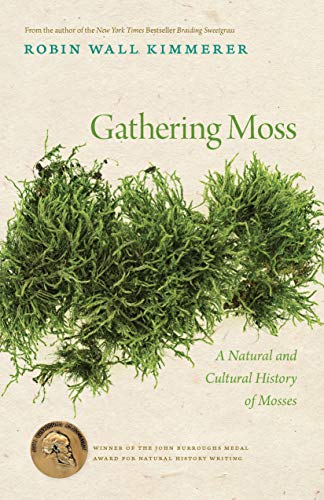
This book offers an intimate and poetic exploration of a seemingly small part of nature – mosses – revealing profound lessons about life, resilience, and interconnectedness through meticulous observation. Its blend of scientific insight and lyrical reflection provides a similar contemplative journey into the details of the natural world as "Decomposition Book."
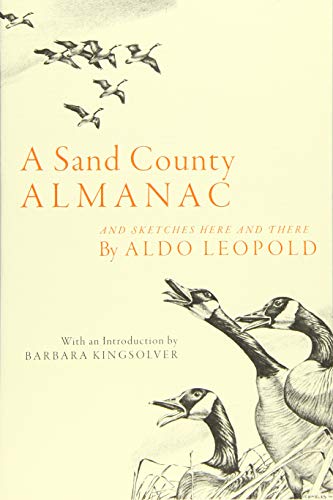
by Aldo Leopold
Leopold's seminal work presents a series of essays on the natural world, observing seasonal changes and advocating for a "land ethic" that respects ecological processes and interconnectedness. Its blend of keen observation, environmental philosophy, and appreciation for natural cycles makes it a perfect fit for readers who enjoy the reflective and nature-focused themes of "Decomposition Book."

This book reveals the complex, interconnected world of trees, presenting them as social beings with intricate communication networks and life cycles, challenging conventional perceptions of nature. Its fascinating insights into the unseen processes of the forest echo the spirit of discovery and appreciation for natural systems found in "Decomposition Book."
Much like "Decomposition Book," this interactive journal encourages readers to break free from traditional journaling conventions, inviting creative, unconventional, and often destructive engagement with its pages. It shares the spirit of embracing process, imperfection, and personal expression through direct interaction with the book itself, making it a unique and engaging experience.

Not sure what they've already read?
Let them pick their next favorite with an Amazon Gift Card.
As an Amazon Associate, we earn from qualifying purchases.
As an Amazon Associate, we earn from qualifying purchases.