

Based on your book
Delhi: A Soliloquy
by M. Mukundan
Delhi: A Soliloquy invites you into the heart of India's capital through the eyes of Sahadevan and a vibrant community of Malayali migrants, starting in the 1960s. As Sahadevan finds his place, adopted into a family, he walks the city, observing and reflecting on the unfolding decades. This isn't a plot-driven sprint; it's a deep, introspective immersion into how ordinary lives are shaped by monumental historical shifts—wars, political turmoil, social upheaval. The book feels like a poignant conversation with Delhi itself, imbued with a sense of nostalgia, resilience, and quiet observation. You'll spend time with an ensemble cast, watching them navigate survival, build found families, and leave their indelible mark on the city. It’s for readers who appreciate historical fiction that prioritizes atmospheric depth, social commentary, and a powerful sense of place over a rapid narrative arc. If you love books where the city becomes a character, this is a profound journey.
10 Books similar to 'Delhi: A Soliloquy'
If you found yourself captivated by Delhi: A Soliloquy, longing for more narratives where a city breathes as deeply as its inhabitants, these recommendations are for you. We looked for books that masterfully weave personal stories into the fabric of historical change, where an introspective narrative voice unpacks the complexities of identity and survival. Whether exploring the layered history of a place, the resilience of a 'found family' amidst social upheaval, or the profound connection between people and their urban landscapes, each selection echoes the poignant depth and rich social commentary you cherished in Mukundan's work.
As an Amazon Associate, we earn from qualifying purchases.

This non-fiction masterpiece offers a vivid, deeply researched, and personal exploration of Delhi's layered history and vibrant present, much like Mukundan's evocative soliloquy. Readers will appreciate the rich historical detail, the city as a living character, and the blend of personal observation with profound historical insight.

by Orhan Pamuk
Pamuk's memoir is a melancholic and intimate meditation on Istanbul, portraying the city as a character deeply intertwined with his own identity and memories, mirroring Mukundan's approach to Delhi. It shares the reflective tone, lyrical prose, and profound sense of history and loss.

by Amitav Ghosh
Ghosh's novel masterfully weaves together memory, history, and identity across different generations and geographies, particularly focusing on the partition of India. Its non-linear, introspective narrative and exploration of fluid boundaries will resonate with readers who enjoyed Mukundan's reflective style and thematic depth.

This philosophical novel presents a series of poetic descriptions of imaginary cities, each a reflection on memory, desire, and the human condition. Fans of "Delhi: A Soliloquy" will appreciate the lyrical prose, the personification of cities, and the deep, contemplative exploration of urban existence.

Prefer to listen?
Try Audible and hear the story instead of reading it.
As an Amazon Associate, we earn from qualifying purchases.

by Vikram Seth
An epic saga set in post-independence India, this novel offers an expansive and intricate portrait of a nation in flux, with a rich tapestry of characters and social commentary. While more plot-driven, its deep dive into Indian society, politics, and historical context will appeal to those interested in the cultural backdrop of Mukundan's work.

Rushdie's iconic novel uses magical realism to tell the sprawling, fantastical, yet deeply historical story of India's birth and post-independence journey through the eyes of Saleem Sinai. Its grand scope, distinctive narrative voice, and intertwining of personal and national destinies echo the ambition and thematic richness of "Delhi: A Soliloquy."
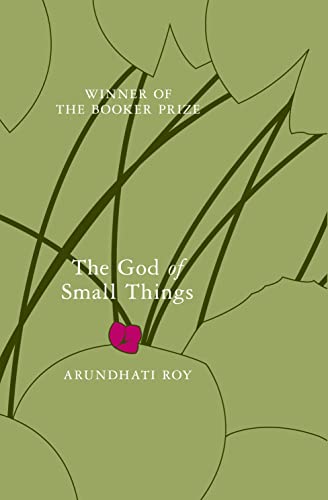
Roy's Booker Prize-winning novel is celebrated for its lyrical prose and poignant exploration of family, love, and the rigid social and political structures of Kerala. Its reflective tone, focus on memory, loss, and the intricate details of Indian life will resonate strongly with readers who appreciate the emotional depth and literary quality of Mukundan's work.

by Amitav Ghosh
This unique blend of travelogue, history, and anthropology sees Ghosh tracing ancient trade routes and exploring the connections between India and Egypt across centuries. Its meticulous research, introspective narrative, and deep engagement with cultural history make it a compelling read for those who enjoyed the intellectual curiosity and reflective style of "Delhi: A Soliloquy."

by Amartya Sen
For readers who appreciate the intellectual and historical depth underlying "Delhi: A Soliloquy," Sen's collection of essays provides profound insights into India's rich tradition of public debate and intellectual pluralism. It offers a comprehensive and analytical perspective on Indian identity, history, and culture, complementing the more personal narrative of Mukundan's book.

Lahiri's novel beautifully explores themes of identity, cultural clash, and the search for belonging across generations of an Indian-American family. While not directly about a city, its deeply introspective narrative, focus on personal growth, and poignant examination of heritage and self-discovery will appeal to those who enjoyed the reflective and emotional resonance of "Delhi: A Soliloquy."

Love to read on the go?
Explore Kindle e-readers and take your books with you.
As an Amazon Associate, we earn from qualifying purchases.
As an Amazon Associate, we earn from qualifying purchases.