

Based on your book
Der Zauberberg
by Thomas Mann
Hans Castorp intends a brief visit to his consumptive cousin at a Swiss sanatorium, but the isolated, high-altitude world quickly begins to warp his sense of time and purpose. What starts as a simple trip becomes a years-long immersion in a strange, privileged society where illness is a way of life, and philosophical debates about death, love, politics, and art are the main diversions. This isn't a book about plot twists; it's a deep, introspective journey into the nature of existence itself, seasoned with Mann's sharp, often subtle, satire. It's for the patient reader who relishes long, thoughtful discussions, enjoys observing characters grapple with profound ideas, and doesn't mind a story that takes its time to unfold, offering rich intellectual rewards along the way.
10 Books similar to 'Der Zauberberg'
If the unique atmosphere and intellectual depth of Der Zauberberg resonated with you, you'll find kindred spirits in our curated list. We looked for books that share Mann's commitment to exploring profound philosophical questions, often through protagonists undergoing journeys of self-discovery within distinct, sometimes isolated, communities. These recommendations offer similarly rich social commentary and a deep dive into the human condition, inviting you to ponder alongside their complex characters. You'll recognize the thoughtful pacing and the satisfaction of engaging with big ideas, whether in European high society or secluded intellectual enclaves.
As an Amazon Associate, we earn from qualifying purchases.

by Robert Musil
This monumental, unfinished novel offers a similarly vast and intricate exploration of intellectual life and societal decay in pre-WWI Europe. Like 'Der Zauberberg,' it delves deep into philosophical discourse, the nature of identity, and the search for meaning amidst a changing world, with a protagonist who observes rather than acts.

Proust's magnum opus shares Mann's profound interest in the nature of time, memory, and the intricate workings of the human mind. Its dense, introspective style and detailed social observation will appeal to readers who appreciate 'Der Zauberberg's' deep psychological insight and reflective pace.

by Thomas Mann
Another masterpiece by Mann, this family saga shares the author's characteristic detailed psychological insight, social commentary, and exploration of decline over generations. Fans will recognize Mann's meticulous prose and his keen observation of societal changes and individual fates within a specific cultural context.

by Thomas Mann
Mann's later work delves into profound philosophical and cultural questions, particularly concerning art, genius, and the soul of Germany, much like 'Der Zauberberg' examines the spirit of pre-war Europe. It shares the intellectual density, tragic scope, and deep engagement with ideas that characterize his earlier novel.

Not sure what they've already read?
Let them pick their next favorite with an Amazon Gift Card.
As an Amazon Associate, we earn from qualifying purchases.

Dostoevsky's epic novel offers a similarly intense and intellectual exploration of profound philosophical and moral questions, human nature, and family dynamics. Its complex characters, deep psychological analysis, and engagement with existential dilemmas resonate strongly with the themes of 'Der Zauberberg'.

by Giuseppe Tomasi di Lampedusa
This novel beautifully captures the decline of an aristocratic family during a period of great societal change, mirroring 'Der Zauberberg's' reflective tone on the passage of time and the end of an era. It offers a poignant, observational narrative focused on the internal struggles and philosophical musings of its protagonist.
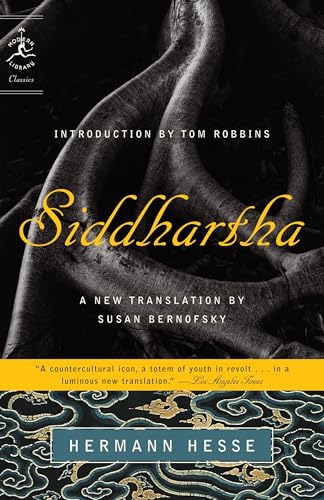
Hesse's novel, though shorter and more spiritual, shares 'Der Zauberberg's' core theme of a protagonist's journey of self-discovery and philosophical enlightenment over a long period. It focuses on internal transformation and the search for meaning, appealing to readers who appreciate intellectual and introspective quests.

by Albert Camus
Camus's work presents an isolated community grappling with a deadly epidemic, evoking a similar sense of confinement and the forced introspection seen in 'Der Zauberberg's' sanatorium setting. It explores profound existential themes, human suffering, and moral choices under duress, with a philosophical and analytical tone.

This dark, cynical, and philosophical journey through life, war, and human nature offers a similarly unflinching and intellectual perspective on the human condition. While more bleak, it shares an outsider's critical view of society and an intense psychological depth that fans of Mann might appreciate.

Hesse's last novel explores the life of Joseph Knecht within a secluded intellectual order, Castalia, echoing the isolated, intellectually charged environment of 'Der Zauberberg's' sanatorium. It delves into themes of intellectualism, spirituality, and the pursuit of knowledge, offering a deep, reflective, and complex narrative.

Love to read on the go?
Explore Kindle e-readers and take your books with you.
As an Amazon Associate, we earn from qualifying purchases.
As an Amazon Associate, we earn from qualifying purchases.