

Based on your book
Designing the Mind
by Mind, Designing the
Designing the Mind treats your consciousness less like a mysterious soul and more like a piece of software that can be debugged, updated, and reconfigured. Ryan Bush introduces the concept of psychitecture, a framework for observing your own cognitive patterns to identify the bugs that cause unnecessary suffering. Rather than offering generic self-help platitudes, the book functions like a technical manual for the human psyche, blending Stoic philosophy with modern cognitive science. The prose is clean, analytical, and remarkably objective, making it feel like you are performing a controlled experiment on your own thought processes. It is a dense, methodical read that demands active participation. This is for the reader who is tired of emotional reactivity and wants a logical, structured way to gain agency over their internal life.
10 Books similar to 'Designing the Mind'
If the systematic approach of Designing the Mind resonated with you, these selections expand on the mechanics of self-mastery. We chose these titles because they bridge the gap between abstract philosophy and hard cognitive science, much like Bush does. Whether you are looking for the historical foundations of Stoicism in Meditations, the psychological rigor of Kahneman, or the practical habit-building of James Clear, these books all treat the mind as an object of study. They are perfect for readers interested in deconstructing their own behavior to build more intentional, resilient habits.
As an Amazon Associate, we earn from qualifying purchases.

by James Clear
Like 'Designing the Mind', this book approaches personal development through a systematic, almost engineering-like lens, focusing on how small, consistent changes can rewire your behavioral patterns. It shares the same analytical, practical approach to self-improvement that readers of Bush's work will appreciate.

Haidt bridges the gap between ancient wisdom and modern psychology, much like 'Designing the Mind' attempts to synthesize philosophy with cognitive science. It offers a structured, thoughtful exploration of how the mind works and how we can achieve a more fulfilling life.

As a foundational text for Stoicism, this book provides the philosophical bedrock that 'Designing the Mind' builds upon. Readers interested in the 'psychitecture' of their own minds will find the original source material for many of the book's cognitive restructuring techniques.
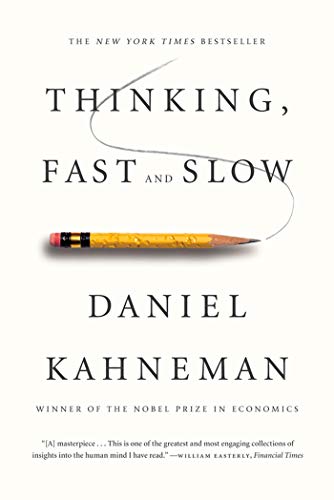
This seminal work on cognitive biases provides the scientific rigor behind the mental models discussed in 'Designing the Mind'. It is essential reading for anyone wanting to understand the 'software' of human cognition and why we make the decisions we do.

Love to read on the go?
Explore Kindle e-readers and take your books with you.
As an Amazon Associate, we earn from qualifying purchases.

Frankl's exploration of logotherapy offers a profound look at how we can choose our mental state even in the most dire circumstances, a core tenet of 'Designing the Mind'. It provides the emotional and psychological depth that makes the concept of 'psychitecture' feel urgent and necessary.
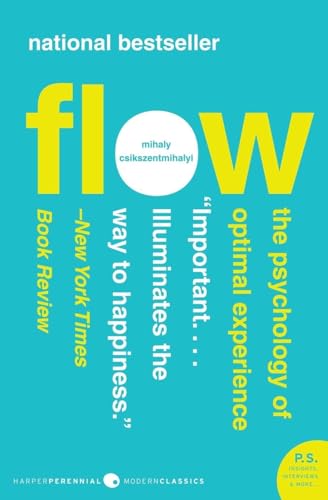
This book examines the state of consciousness that allows for peak performance and happiness, aligning perfectly with the goal of 'Designing the Mind' to optimize the human operating system. It provides a scientific framework for mastering your own attention and internal state.

Burkeman challenges conventional self-help wisdom by exploring the 'negative path' to happiness, which resonates with the critical, deconstructionist approach found in 'Designing the Mind'. It is a refreshing, intellectually honest take on how we manage our mental well-being.

For readers who enjoyed the 'psychitecture' concept, Sapolsky provides the deep biological and neurological context for why we behave the way we do. It is a dense but rewarding exploration of the mechanics behind our thoughts and actions.

by Mark Manson
While focused on a specific area of life, Manson's approach relies heavily on the same principles of self-awareness, emotional intelligence, and cognitive restructuring advocated in 'Designing the Mind'. It applies psychological principles to interpersonal dynamics in a very practical way.

This book explores the intuitive, emotional, and cognitive structures that define our moral frameworks, mirroring the 'Designing the Mind' focus on understanding the hidden architecture of the human psyche. It is essential for understanding how our internal programming affects our external interactions.

Not sure what they've already read?
Let them pick their next favorite with an Amazon Gift Card.
As an Amazon Associate, we earn from qualifying purchases.
As an Amazon Associate, we earn from qualifying purchases.