

Based on your book
Devil's Game
by Robert Dreyfuss
Devil's Game pulls back the curtain on decades of US foreign policy, meticulously tracing how specific interventions and alliances, particularly during the Cold War, inadvertently fueled the rise of radical Islamic movements. Robert Dreyfuss doesn't just recount history; he unearths the deeply complex, often contradictory relationships between global powers and regional actors. Reading this book feels like piecing together a vast, intricate puzzle, revealing the long-term, unintended consequences of political maneuvering. It's an intensely informative and thought-provoking experience, dense with detail yet always illuminating. This is for the reader eager to grapple with uncomfortable truths, who enjoys a thoroughly researched historical deep dive, and wants to understand the hidden threads of political intrigue and power dynamics that shape our world today.
10 Books similar to 'Devil's Game'
If Devil's Game opened your eyes to the intricate web of US foreign policy and its unintended consequences, then our curated list offers more chances to explore similar ground. These selections delve into the historical deep dives and political intrigue that shape global events, much like Dreyfuss reveals the secrets and lies behind decades of intervention. You'll find narratives that critically examine power dynamics, the moral ambiguity of intelligence operations, and the long shadow cast by past decisions, all designed to deepen your understanding of how history continually informs our present.
As an Amazon Associate, we earn from qualifying purchases.

by Steve Coll
This book offers a meticulously researched, deeply analytical account of the CIA's involvement in Afghanistan from the Soviet invasion up to 9/11, directly paralleling Dreyfuss's examination of US foreign policy's unintended consequences in the region. Readers will appreciate the detailed exposé of intelligence operations and geopolitical maneuvering that shaped the rise of radical groups.

by Tim Weiner
Weiner's comprehensive history of the CIA, from its inception, reveals a consistent pattern of covert operations, interventions, and often disastrous outcomes, echoing Dreyfuss's critical look at US foreign policy. It provides a broader institutional context for the specific events detailed in "Devil's Game," showcasing similar themes of power dynamics and moral ambiguity.

Wright's Pulitzer-winning work meticulously traces the origins and rise of Al-Qaeda, intertwining the stories of key figures with the geopolitical landscape that enabled their growth, much like Dreyfuss connects US actions to fundamentalist movements. It provides a gripping, detailed narrative that illuminates the human and political factors leading to a global crisis.

This book focuses on the 1953 CIA-orchestrated coup in Iran, a pivotal event that profoundly shaped the region's future and directly contributed to the rise of anti-Western sentiment and fundamentalism, a core theme explored by Dreyfuss. It's a compelling, specific case study of US intervention and its long-term, often devastating, consequences.

Love to read on the go?
Explore Kindle e-readers and take your books with you.
As an Amazon Associate, we earn from qualifying purchases.
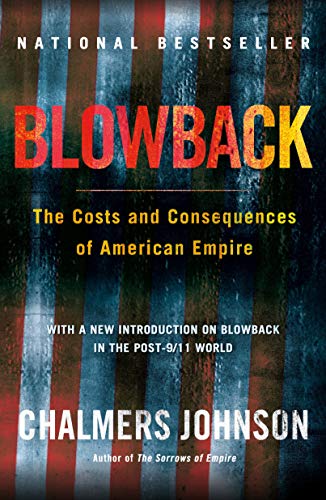
Johnson's seminal work directly addresses the concept of "blowback" – the unintended, negative consequences of US foreign policy and covert operations, a central argument of "Devil's Game." Readers will find a powerful, critical analysis of how past interventions have created the very threats the US now faces, offering a similar cynical and analytical perspective.

For those who appreciate the cynical, morally ambiguous, and intense atmosphere of intelligence operations depicted in "Devil's Game," le Carré's classic espionage novel is a perfect fictional counterpart. It delves into the grim realities of the Cold War spy world, where loyalty is fluid and the lines between good and evil are perpetually blurred, mirroring the complex power dynamics.

by John Perkins
Perkins's controversial memoir exposes a different facet of US geopolitical manipulation – the use of economic coercion and debt to control developing nations, revealing a "behind the scenes" world of corporate and political conspiracy. Fans of "Devil's Game" will recognize the theme of powerful entities operating covertly to shape global events, often with detrimental long-term effects.

While set in the 19th century, Hopkirk's vivid historical account of the rivalry between the British and Russian empires for control of Central Asia provides a fascinating backdrop to modern geopolitical struggles, echoing the "great game" described in "Devil's Game." It offers a deep dive into historical power dynamics, espionage, and the long-term consequences of imperial ambitions in a crucial region.

by Edward Said
Said's foundational work critically examines how the Western world has historically constructed its understanding of the "Orient," revealing the underlying power dynamics and biases that inform foreign policy and cultural perceptions. Readers of "Devil's Game" will appreciate this analytical and thought-provoking exploration of cultural analysis and its impact on geopolitical relations, offering a crucial intellectual lens.

Greene's prescient novel explores American intervention in 1950s Vietnam through the eyes of a cynical British journalist and an idealistic American agent, offering a powerful fictional parallel to "Devil's Game." It masterfully critiques the dangers of well-intentioned but misguided foreign policy, moral ambiguity, and the tragic consequences of intervening in complex political landscapes.

Not sure what they've already read?
Let them pick their next favorite with an Amazon Gift Card.
As an Amazon Associate, we earn from qualifying purchases.
As an Amazon Associate, we earn from qualifying purchases.