

Based on your book
Did That Actually Happen?
by Duffy, Paddy
Paddy Duffy has a knack for pulling the thread on the weird, often unbelievable stories that underpin our reality. This book acts as a cabinet of curiosities, examining the strange historical footnotes and social oddities that usually get smoothed over by time. The reading experience is conversational and sharp; it feels like sitting across from a well-traveled friend who has spent years collecting the most absurd anecdotes just to see the look on your face when they tell them. It is not just a collection of trivia, though. Duffy weaves these moments into a broader reflection on human nature, showing how our progress is often built on mistakes, coincidences, and sheer luck. If you enjoy books that make you pause, laugh, and immediately text a friend to ask if they knew something was real, this is your next read.
10 Books similar to 'Did That Actually Happen?'
If the blend of curiosity and dry humor in this book hit the mark for you, these selections will keep that momentum going. We curated this list to highlight authors who treat historical facts and scientific oddities as narrative gold mines rather than dry data. Whether you are looking for the irreverent investigative style of Mary Roach or the thoughtful, observational depth found in John Green and Bill Bryson, these books share that same spirit of discovery. They turn the mundane and the bizarre into stories that are as meaningful as they are entertaining.
As an Amazon Associate, we earn from qualifying purchases.

by John Lloyd and John Mitchinson
Much like Duffy's work, this book delights in debunking common misconceptions and presenting bizarre, little-known facts. It shares the same witty, informative, and observational tone that makes learning about history and science feel like a fun conversation.

by Bill Bryson
Fans of trivia-heavy, engaging non-fiction will appreciate Bryson's ability to turn complex scientific and historical subjects into a compelling narrative. It matches the curiosity-driven structure of Duffy's writing while maintaining an accessible and often funny voice.
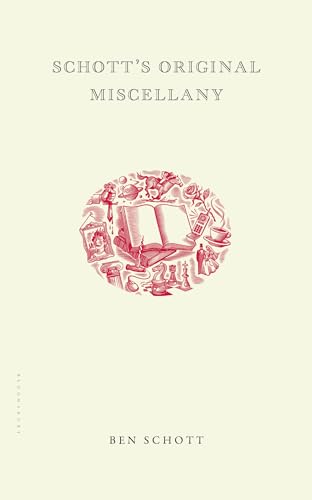
by Ben Schott
This book is the ultimate companion for those who enjoy the eclectic, bite-sized facts found in 'Did That Actually Happen?'. It presents a curated collection of oddities, lists, and curiosities that captures the same spirit of 'I can't believe that's real.'

by Sam Kean
Kean excels at finding the hidden, human stories behind scientific facts, much like Duffy finds the oddities in history. It offers a similarly engaging, anecdotal approach to learning that feels less like a textbook and more like a series of fascinating stories.

Not sure what they've already read?
Let them pick their next favorite with an Amazon Gift Card.
As an Amazon Associate, we earn from qualifying purchases.

by John Green
Green reviews various facets of our human-centered planet with a mix of humor, deep research, and personal reflection. Readers who enjoy the 'did you know' aspect of Duffy's work will appreciate the way Green elevates trivial observations into profound insights.

by Mary Roach
Mary Roach is a master of the 'weird history/science' genre, tackling taboo subjects with the same irreverent humor and rigorous research found in Duffy's writing. It is perfect for readers who want to learn about the bizarre side of reality without feeling bogged down by dense academic prose.

by Simon Singh
This book turns the history of a mathematical problem into a gripping detective story, mirroring the way Duffy presents historical oddities as mysteries. It is highly accessible and maintains a fast-paced, narrative structure that keeps the reader hooked on the 'truth'.

Winchester excels at finding the bizarre, true stories hidden within historical events, much like the anecdotes in Duffy's book. It provides a fascinating look at the intersection of genius and madness, written with a narrative flair that makes history feel immediate and strange.

by Bill Bryson
Bryson takes the mundane aspects of daily life and reveals the shocking, funny, and bizarre history behind them. It shares the same 'wait, really?' atmosphere as Duffy's work, turning the familiar into something entirely new and fascinating.

by Ryan North
This book uses a humorous, hypothetical premise to deliver a massive amount of real-world historical and technological knowledge. Its witty tone and focus on the 'how' and 'why' of human progress align perfectly with the inquisitive and lighthearted nature of Duffy's writing.

Prefer to listen?
Try Audible and hear the story instead of reading it.
As an Amazon Associate, we earn from qualifying purchases.
As an Amazon Associate, we earn from qualifying purchases.