
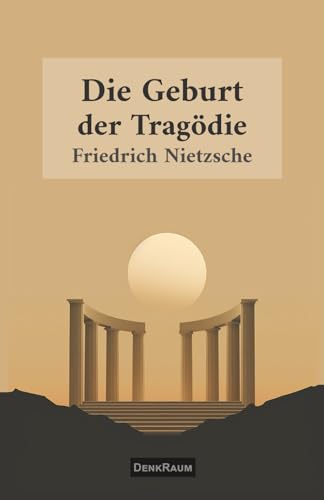
Based on your book
Die Geburt der Tragödie
by Friedrich Nietzsche
Friedrich Nietzsche's Die Geburt der Tragödie isn't just a historical text; it's an electrifying argument about the very foundations of Western culture. Nietzsche takes us back to ancient Greece, not to simply observe, but to passionately dissect the interplay between the Apollonian forces of order and the Dionysian impulses of chaos and ecstasy that he believed fueled true tragic art. Reading it feels like being invited into a brilliant, restless mind grappling with monumental ideas. It's intense, demanding, and profoundly reflective, pushing you to rethink what you understand about beauty, suffering, and the human spirit. This book is for readers who thrive on intellectual challenge, who enjoy deep cultural analysis, and who aren't afraid to confront uncomfortable truths about our shared heritage and the existential questions that still haunt us.
10 Books similar to 'Die Geburt der Tragödie'
For those who found themselves captivated by Die Geburt der Tragödie's intense cultural analysis and its profound questioning of aesthetic and moral origins, our selections offer further paths into similar intellectual terrain. You'll find other works that dismantle traditional values and explore the depths of the human psyche, much like Nietzsche's own continued explorations in Also sprach Zarathustra and Jenseits von Gut und Böse. We've also included texts that delve into the existential dilemmas of meaning and the individual's place in the world, such as Camus's Der Mythus des Sisyphos and Kierkegaard's Furcht und Zittern, alongside foundational philosophical works that shaped and were challenged by Nietzsche's radical vision.
As an Amazon Associate, we earn from qualifying purchases.

This seminal work expands on many of Nietzsche's core philosophical ideas, such as the Übermensch and the will to power, presented through a poetic and allegorical narrative. Its challenging yet beautiful prose and radical questioning of values will resonate deeply with readers who appreciate Nietzsche's unique voice and intellectual depth.

This book continues Nietzsche's profound critique of traditional morality and philosophy, dissecting the psychological underpinnings of human values and truth. Its sharp, aphoristic style and fearless intellectual inquiry will appeal to those who enjoyed the critical and deconstructive aspects of 'Die Geburt der Tragödie'.
by Albert Camus
Camus confronts the absurdity of existence and the human search for meaning in a world devoid of inherent purpose, proposing rebellion against this meaninglessness. Its profound exploration of the human condition and the individual's response to an indifferent universe offers a similar intellectual challenge and introspective depth to Nietzsche's work.

Kierkegaard delves into the complexities of faith, ethics, and the individual's relationship with the divine through a challenging, multi-layered philosophical narrative. Its intense psychological inquiry and profound exploration of individual responsibility mirror Nietzsche's engagement with fundamental human questions.

Not sure what they've already read?
Let them pick their next favorite with an Amazon Gift Card.
As an Amazon Associate, we earn from qualifying purchases.

by Aristotle
This foundational text systematically analyzes the elements of tragedy and epic poetry, providing a classical framework that Nietzsche both built upon and challenged in his own work. Readers will appreciate its rigorous analytical approach to art and its historical significance in understanding the origins of aesthetic theory.

by Plato
Plato's seminal work explores justice, the ideal state, the nature of reality, and the role of art through Socratic dialogues, often challenging conventional wisdom. Its vast intellectual scope and profound questioning of societal structures and human nature offer a similar rigorous philosophical journey to Nietzsche's inquiries.

Nietzsche's provocative autobiography offers a unique insight into his own philosophical development and the mind behind his radical ideas, including his self-interpretation of 'Die Geburt der Tragödie'. Readers will gain a deeper understanding of the personal context and intellectual journey that shaped his groundbreaking works.

Freud explores the inherent tension between individual instinctual drives and the demands of civilization, examining the origins of human suffering and the role of culture. Its deep psychological and cultural critique resonates with Nietzsche's analysis of human nature and societal structures, particularly the sacrifices made for societal progress.

This compilation of Nietzsche's posthumous notes further elaborates on his core concept of the 'will to power,' offering a raw and unfiltered look into his philosophical development. It provides a deeper dive into the ideas underpinning 'Die Geburt der Tragödie' with its aphoristic and challenging style.

by John Dewey
Dewey offers a profound philosophical exploration of aesthetics, focusing on the active experience of art in human life rather than just its form or historical context. Its insightful analysis of how art shapes and enriches human existence provides a complementary and equally thought-provoking perspective to Nietzsche's aesthetic concerns.

Prefer to listen?
Try Audible and hear the story instead of reading it.
As an Amazon Associate, we earn from qualifying purchases.
As an Amazon Associate, we earn from qualifying purchases.