

Based on your book
Difficult Conversations: How to Discuss What Matters Most
by Douglas Stone, Bruce Patton, and Sheila Heen
Most of us go through life avoiding friction, treating conflict as a failure rather than a necessary part of growth. This book shifts that perspective by deconstructing the messy, internal layers of every high-stakes interaction. It argues that what we think is a simple disagreement is actually a three-part tangle of what happened, how we feel, and what the outcome says about our identity. Reading it feels like sitting down with a patient therapist who refuses to let you off the hook for your own biases. It is slow, methodical, and deeply introspective, requiring you to pause and look at your own patterns of defensiveness. If you are tired of walking on eggshells or habitually suppressing your needs to keep the peace, this book provides the psychological architecture to hold your ground without losing your humanity.
10 Books similar to 'Difficult Conversations: How to Discuss What Matters Most'
Since you appreciated the analytical approach to interpersonal friction, these selections aim to sharpen your toolkit further. We chose these titles because they bridge the gap between theory and real-world application, focusing on the same themes of empathy, boundary setting, and identity management found in the original. Whether you are looking for the tactical negotiation skills in Never Split the Difference or the foundational emotional intelligence of Nonviolent Communication, these books expand on the idea that better dialogue is a learnable skill, not just a personality trait.
As an Amazon Associate, we earn from qualifying purchases.

by Joseph Grenny, Kerry Patterson, Ron McMillan, Al Switzler, and Emily Gregory
This book is the natural successor to Difficult Conversations, providing actionable frameworks for high-stakes dialogue. It mirrors the analytical and practical approach of the original, focusing on how to stay calm and effective when emotions run high.

Rosenberg's work provides the foundational empathy-based framework that complements the structural advice found in Difficult Conversations. It helps readers shift from accusatory language to connection-based communication, deepening the emotional intelligence skills introduced in the original.

by Douglas Stone and Sheila Heen
Written by two of the same authors as Difficult Conversations, this book tackles the other side of the communication coin: how to hear and process feedback. It shares the same clear, structured, and psychological tone, making it essential for anyone trying to improve their interpersonal dynamics.

by Chris Voss
While it deals with high-stakes negotiation, the core principles of empathy, active listening, and tactical communication align perfectly with the strategies in Difficult Conversations. Readers who enjoyed the psychological breakdown of communication barriers will appreciate Voss's practical, field-tested techniques.

Not sure what they've already read?
Let them pick their next favorite with an Amazon Gift Card.
As an Amazon Associate, we earn from qualifying purchases.

This classic remains a cornerstone of interpersonal communication, focusing on the same fundamental goal as Difficult Conversations: navigating human relationships with grace and effectiveness. Its timeless, observational wisdom provides a gentle, human-centric approach to conflict and influence.

Gladwell explores why our attempts to understand others often fail, which directly parallels the 'what happened' conversation discussed in the original book. It provides a fascinating, research-heavy look at the assumptions and miscommunications that plague our interactions.

by Henry Cloud and John Townsend
Difficult Conversations often fails because of an inability to set boundaries; this book addresses that gap directly. It offers a structured, psychological approach to defining personal limits, which is a necessary skill for managing the 'identity conversations' described in Stone's work.
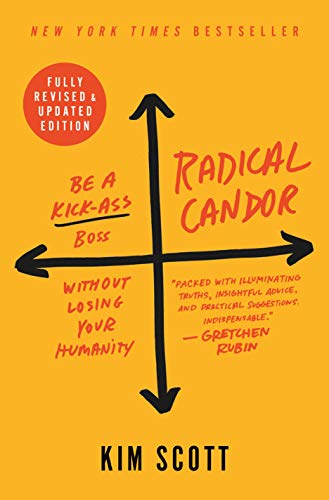
by Kim Scott
Focusing on the workplace, Scott provides a framework for balancing direct challenge with personal care, which is the exact sweet spot Difficult Conversations aims for. It is an excellent read for those who want to apply the book's principles specifically to professional leadership and team management.
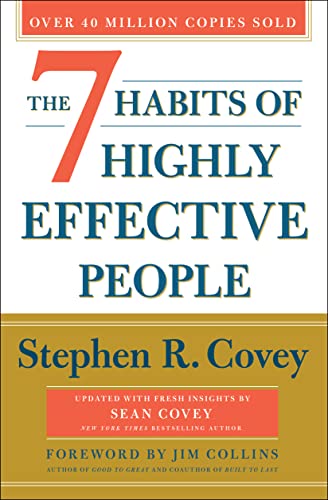
Covey's principles are deeply rooted in the same philosophy of 'win-win' outcomes and empathetic listening that underpins the advice in Difficult Conversations. It provides a broader, holistic framework for personal and professional effectiveness that fans of the original will find highly resonant.
by Douglas Stone, Bruce Patton, and Sheila Heen
For readers who loved the original text but want to move from theory to practice, this companion workbook is the perfect next step. It offers exercises and templates that reinforce the core concepts of the original, ensuring the reader truly masters the art of the difficult conversation.

Prefer to listen?
Try Audible and hear the story instead of reading it.
As an Amazon Associate, we earn from qualifying purchases.
As an Amazon Associate, we earn from qualifying purchases.