

Based on your book
Disgrace
by Coetzee, J. M.
David Lurie is a disgraced professor whose life collapses after an affair with a student leads to his expulsion from a Cape Town university. He retreats to his daughter Lucy’s remote farm, hoping for a quiet existence, but the reality of post-apartheid South Africa soon intrudes in the form of a brutal act of violence. The novel is spare, cold, and unflinchingly honest. Coetzee avoids sentimentality, instead forcing you to sit with the discomfort of a man who is simultaneously a victim of his own ego and a bystander to a shifting society. It is a quiet, heavy book that refuses to offer moral absolution or easy answers. If you appreciate prose that functions like a scalpel and you prefer character studies that examine the uglier corners of the human psyche, this is a challenging, necessary read.
10 Books similar to 'Disgrace'
The books we have selected mirror the unsettling moral ambiguity and the detached, observant tone that defines Coetzee’s narrative. We chose these titles because they excel at exploring how personal failings intersect with broader, often violent, political and societal shifts. Whether you are looking for the same sharp critique of colonial legacies found in Naipaul or the deep, psychological exploration of regret and memory seen in Barnes and Ishiguro, these selections capture that specific, lingering unease. They are for readers who want to investigate how the past dictates the present without the comfort of a moral compass.
As an Amazon Associate, we earn from qualifying purchases.

Like Coetzee, Greene explores the intersection of personal moral failings with larger political upheavals. It features a cynical, detached narrator whose worldview is challenged by the brutal realities of colonialism and war.

This novel shares Coetzee's preoccupation with the fallibility of memory and the way past transgressions haunt the present. Its sparse, intellectual prose style mirrors the restrained tension found in Disgrace.

If you enjoyed the specific voice of Coetzee, this earlier work is essential reading for its exploration of state power, complicity, and the degradation of the human spirit. It offers a similarly bleak, allegorical look at authority and oppression.

Naipaul delivers a stark, unsentimental examination of post-colonial life that resonates deeply with the themes of displacement and societal collapse in Disgrace. The narrative voice is famously detached, observing the decay of civilization with a sharp, critical eye.

Love to read on the go?
Explore Kindle e-readers and take your books with you.
As an Amazon Associate, we earn from qualifying purchases.

This novel blends the psychological depth of a character study with the tension of political thriller, much like Coetzee's work. It explores the duality of identity and the messy, often shameful nature of survival in times of conflict.

Achebe provides a foundational look at the collision between traditional culture and external forces, mirroring the cultural friction present in Disgrace. It is a powerful, tragic examination of how societies and individuals are unmade by changing power structures.
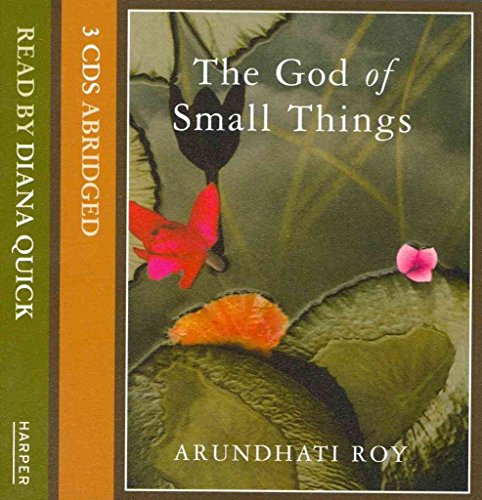
While more lyrical than Coetzee, Roy’s novel shares a deep interest in how rigid social hierarchies and 'love laws' destroy individual lives. It is a devastating look at family, caste, and the consequences of breaking societal taboos.

For readers drawn to the unlikeable, detached protagonist of Disgrace, Moshfegh offers a similarly abrasive and cynical narrative voice. It explores isolation and the refusal to engage with a society the protagonist finds morally bankrupt.


Ishiguro masterfully captures the tragedy of a life spent in denial, much like David Lurie in Disgrace. The quiet, restrained prose hides a deep, simmering regret about wasted potential and complicity in a changing world.

Not sure what they've already read?
Let them pick their next favorite with an Amazon Gift Card.
As an Amazon Associate, we earn from qualifying purchases.
As an Amazon Associate, we earn from qualifying purchases.