
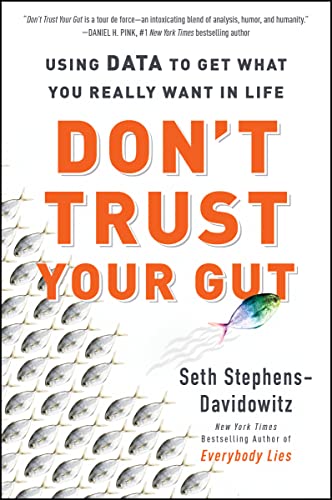
Based on your book
Don't Trust Your Gut
by Stephens-Davidowitz, Seth
Seth Stephens-Davidowitz argues that our intuition is often a poor guide for navigating life, and he makes a compelling case for replacing those internal hunches with hard data. By pulling from massive datasets that cover everything from sports and business to dating and personal happiness, he illustrates how we consistently overestimate our own wisdom. The book feels less like a dry lecture and more like a conversation with a curious detective who is constantly pulling back the curtain on human behavior. You will find yourself pausing to rethink your own life choices, from how you approach your career to how you spend your weekends. This is an essential read for anyone who enjoys questioning common wisdom and wants a more analytical, evidence-based toolkit for making better, more informed decisions in their daily life.
10 Books similar to 'Don't Trust Your Gut'
If the data-driven approach of this book left you craving more, these selections expand on the intersection of human behavior and statistical reality. We curated this list to highlight the tension between intuition and evidence, choosing titles that specifically dismantle the myths we tell ourselves about success and decision-making. Whether you are interested in the cognitive biases explored by Kahneman or the algorithmic logic of Brian Christian, these books share a commitment to analytical rigor. They are perfect for readers who prefer to view life through the lens of probability rather than gut instinct.
As an Amazon Associate, we earn from qualifying purchases.
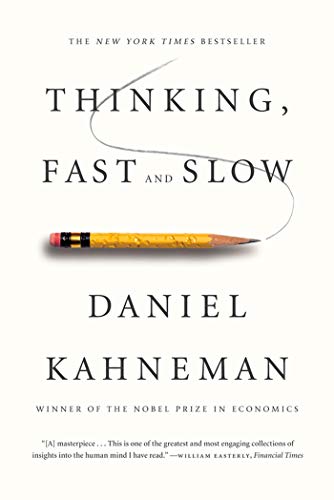
As the definitive text on the cognitive biases that shape our decision-making, this book serves as the intellectual foundation for the data-driven approach championed in Don't Trust Your Gut. Readers who enjoy challenging their own intuition will appreciate Kahneman's rigorous breakdown of how our minds actually work versus how we think they work.
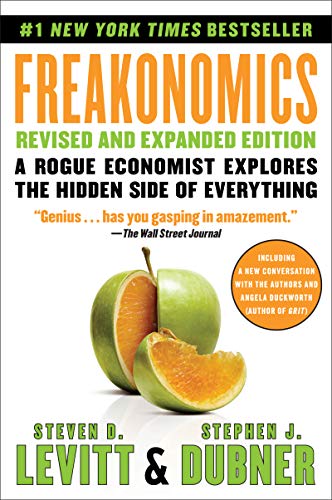
by Steven D. Levitt and Stephen J. Dubner
This book pioneered the style of using unconventional data analysis to reveal surprising truths about human behavior, mirroring Stephens-Davidowitz's methodology perfectly. It shares the same witty, accessible tone while constantly challenging conventional wisdom.

by Nate Silver
Silver provides a masterclass in separating meaningful data from irrelevant noise, a core theme in Don't Trust Your Gut. It appeals to the same analytical mindset that seeks to understand the world through probability and evidence rather than gut feeling.

Gladwell’s examination of the factors that contribute to high-level success—often defying traditional narratives—aligns with the data-driven debunking found in Stephens-Davidowitz's work. It offers a similarly engaging, narrative-driven exploration of human potential and societal structures.

Not sure what they've already read?
Let them pick their next favorite with an Amazon Gift Card.
As an Amazon Associate, we earn from qualifying purchases.
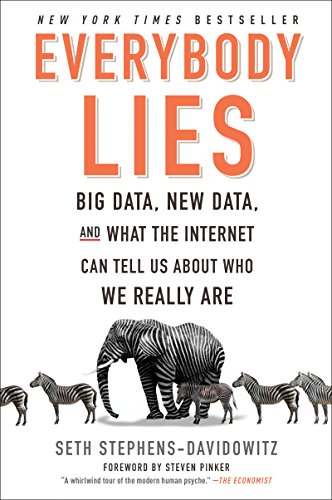
Written by the same author, this is the essential prequel that established his signature style of using search engine data to uncover uncomfortable truths. Fans of his later work will find the same investigative curiosity and eye-opening statistical revelations here.

by Richard H. Thaler and Cass R. Sunstein
This book explores how choice architecture can influence human behavior, complementing the theme of making better decisions without relying on faulty intuition. It provides practical, data-backed frameworks for improving outcomes in daily life.

by Philip E. Tetlock and Dan Gardner
Focusing on the specific skill of prediction, this book examines how data-driven thinkers consistently outperform experts who rely on gut instinct. It is a perfect companion for readers who want to refine their decision-making process using evidence-based strategies.

by Dan Ariely
Ariely demonstrates through experiments that human beings are consistently irrational in predictable ways, bridging the gap between psychology and economics. It shares the same 'aha!' moment quality found in Don't Trust Your Gut when explaining why our instincts often lead us astray.

by Brian Christian and Tom Griffiths
This fascinating book applies computer science algorithms to everyday human problems, offering a computational perspective on decision-making. It mirrors the analytical rigor of Stephens-Davidowitz while providing concrete, actionable strategies for optimizing one's life.

by Susan Cain
While focused on personality rather than decision-making, this book uses extensive research to challenge widely held cultural assumptions about human behavior. Like Don't Trust Your Gut, it uses data to dismantle popular myths and provides a more accurate, evidence-based view of reality.

Prefer to listen?
Try Audible and hear the story instead of reading it.
As an Amazon Associate, we earn from qualifying purchases.
As an Amazon Associate, we earn from qualifying purchases.