

Based on your book
Dynamic Alignment Through Imagery
by Eric Franklin
Dynamic Alignment Through Imagery invites you into a fascinating, practical exploration of your own body. Eric Franklin guides you through a system where mental imagery isn't just a concept, but a powerful tool to reshape your physical reality. This isn't a passive read; it's an interactive journey. You'll find yourself pausing to try an exercise, visualize a movement, or simply feel your own alignment in a new way. The experience is deeply analytical and intellectual, yet profoundly empowering, as you discover how specific imagery can unlock natural flexibility and improve coordination. It feels like a knowledgeable friend is patiently showing you how to really listen to your body. This book is for anyone curious about the intricate connection between mind and movement, especially those in movement arts, athletes, or simply individuals committed to self-improvement and a more joyful, efficient physical existence.
10 Books similar to 'Dynamic Alignment Through Imagery'
If Eric Franklin's approach to understanding and improving your body resonated with you, you'll appreciate these further explorations into self-awareness and movement. We've gathered books that delve into the profound mind-body connection, offering practical pathways to personal growth and self-improvement through somatic education. Whether you're interested in refining your physical mechanics, exploring the psychological impact of movement, or simply deepening your understanding of your own body, these titles offer empowering and intellectually stimulating insights to continue your journey of discovery.
As an Amazon Associate, we earn from qualifying purchases.
This foundational text by Moshe Feldenkrais offers a deep dive into somatic education, much like Franklin's work, emphasizing self-awareness through movement. Readers will appreciate its practical exercises and philosophical insights into improving physical function and overall well-being.

Calais-Germain's classic provides a highly visual and practical approach to understanding human anatomy specifically for movement, mirroring Franklin's application-focused style. It's an essential resource for anyone seeking a deeper, applied knowledge of how the body works in motion.

While not directly about physical movement, Dweck's groundbreaking work on fixed vs. growth mindsets resonates strongly with Franklin's emphasis on the power of mental imagery for physical improvement. It provides a crucial psychological framework for understanding how belief systems impact performance and learning.
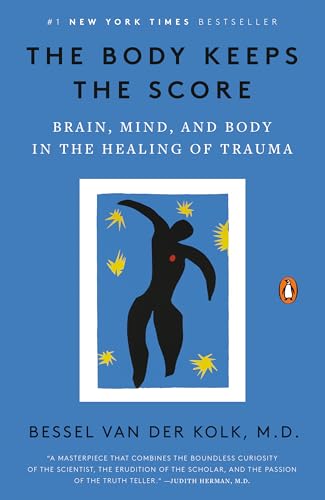
This profound book explores the intricate connection between the mind and body, particularly how trauma is stored somatically, offering a scientific basis for the holistic approach to healing. Fans of Franklin will appreciate its deep dive into body awareness as a pathway to well-being, albeit from a clinical perspective.

Not sure what they've already read?
Let them pick their next favorite with an Amazon Gift Card.
As an Amazon Associate, we earn from qualifying purchases.

This is a direct complement to Franklin's work, offering a series of structured movement lessons designed to enhance self-awareness and improve physical function. Readers will find its practical, experiential approach to exploring movement patterns highly engaging and beneficial for personal growth.

by Jill Miller
Jill Miller provides a hands-on, practical guide to self-care using therapy balls, empowering readers to understand and address their own body's aches and restrictions. Its emphasis on self-awareness and active participation in physical well-being aligns perfectly with Franklin's philosophy.

by Katy Bowman
Katy Bowman challenges conventional notions of exercise, advocating for a holistic approach to movement that integrates natural patterns into daily life. Her biomechanical insights and emphasis on understanding how movement impacts cellular health will appeal to readers interested in Franklin's deep dive into efficient body mechanics.

While focused on music, Bruser's book offers profound insights into the mental and physical disciplines of practice, performance, and overcoming creative blocks, including visualization techniques. Its exploration of mind-body connection and intentional self-improvement parallels Franklin's approach to movement mastery.
by Dessa Adams
This book delves into the energetic and spiritual dimensions of human anatomy, connecting physical structures with deeper consciousness and healing. Readers who appreciate Franklin's holistic view of the body will find Adams' exploration of the subtle body and its influence on well-being to be a fascinating expansion of similar themes.
by Bernie Clark
Bernie Clark advocates for an individualized approach to yoga alignment, emphasizing anatomical variations and the importance of listening to one's own body. This focus on personal body awareness and intelligent modification over rigid rules directly echoes Franklin's principles of dynamic alignment and self-discovery through movement.

Prefer to listen?
Try Audible and hear the story instead of reading it.
As an Amazon Associate, we earn from qualifying purchases.
As an Amazon Associate, we earn from qualifying purchases.