

Based on your book
Earth's Deep History
by Rudwick, Martin J. S.
Earth's Deep History is not just a chronicle of geological discovery, but a patient investigation into how humanity first grappled with the sheer, staggering scale of time. Martin J. S. Rudwick tracks the intellectual transition from viewing the world as a static, short-lived stage to recognizing it as a dynamic, ancient entity with a history of its own. The reading experience is dense and meditative, requiring you to slow down and consider the cultural and theological baggage early scientists carried as they deciphered the earth's crust. It is less a fast-paced narrative and more an intellectual excavation that rewards those who enjoy tracing the evolution of ideas. If you are the type of reader who prefers the history of science over pop-science summaries, and you appreciate a scholarly, analytical perspective on how our modern worldview was constructed, this book will be a cornerstone of your library.
10 Books similar to 'Earth's Deep History'
Since Earth's Deep History explores the slow, often messy construction of scientific consensus, our curated list prioritizes works that share this intellectual curiosity. We have selected titles that bridge the gap between hard-nosed empirical research and the human stories behind the discovery of deep time. Whether you are drawn to the sociological friction of scientific rivalries or the philosophical shift in how we perceive our place within history, these selections deepen the themes of geological exploration and academic legacy. They offer a broader lens on the messy, human process of uncovering the ancient world.
As an Amazon Associate, we earn from qualifying purchases.

Written by the same author, this seminal work provides a deeper, more specialized look at the development of paleontology as a science. It shares the same meticulous research and intellectual rigor that fans of Rudwick's broader histories will appreciate.

This narrative history brings the birth of geological science to life through the story of William Smith, the man who mapped the strata of England. It mirrors Rudwick's interest in how human observation transformed our understanding of deep time.

Gould offers a brilliant analysis of the conceptual shifts required to understand geological time, making it a perfect companion for readers fascinated by the intellectual history found in Rudwick's work. His prose is equally scholarly yet accessible to the dedicated enthusiast.

Another essential text by Rudwick, this book offers a granular look at how scientific consensus is actually formed through social and intellectual conflict. It is a masterclass in the sociology of science that complements the broader scope of Earth's Deep History.

Not sure what they've already read?
Let them pick their next favorite with an Amazon Gift Card.
As an Amazon Associate, we earn from qualifying purchases.

Gould investigates the strange fossils of the Burgess Shale to argue that history is shaped by contingency rather than inevitable progress. Readers who enjoyed the paleontological focus of Rudwick will find Gould's narrative voice and scientific depth deeply engaging.
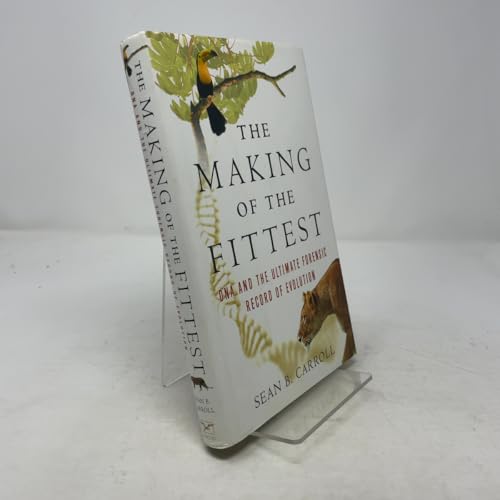
While more biological than geological, this book provides the modern evidence for the deep history that Rudwick chronicles. It connects the 'deep time' of the earth to the 'deep history' written within our own genetic code.
by John Waller
Fans of how scientific history is made will appreciate this account of the intense, often bitter rivalry between two giants of microbiology. It captures the human, messy side of scientific discovery that Rudwick often highlights in his histories.

by John McPhee
This Pulitzer Prize-winning masterpiece weaves together the geological history of North America with the lives of the geologists who studied it. It is the gold standard for blending rigorous science with compelling, atmospheric narrative storytelling.
This book explores the intellectual ancestors who paved the way for Darwin, mirroring Rudwick's interest in the long, cumulative process of scientific discovery. It provides a fascinating look at the 'deep history' of evolutionary thought.

Holmes captures the intersection of art, literature, and science during the late 18th and early 19th centuries—the exact period when the foundations of geology were being laid. It provides the cultural context that makes Rudwick's scientific history feel so vibrant.

Prefer to listen?
Try Audible and hear the story instead of reading it.
As an Amazon Associate, we earn from qualifying purchases.
As an Amazon Associate, we earn from qualifying purchases.