

Based on your book
Elixir
by Levitt, Theresa
Theresa Levitt turns her gaze toward the nineteenth-century obsession with medicinal plants, specifically the quest for the perfect elixir. This is not just a dry catalog of botanical findings; it is a cultural investigation into how humans projected their hopes, fears, and scientific ambitions onto the natural world. Levitt writes with a sharp, inquisitive precision, grounding her research in the tangible history of laboratories and herbariums. The prose feels like walking through a dusty, sun-drenched archive where every specimen tells a story of global trade and shifting ideologies. The pacing is deliberate and thoughtful, inviting you to slow down and consider the weight of our past reliance on the earth. If you enjoy histories that bridge the gap between hard science and human folly, this book offers a rewarding, intellectually dense experience that will change how you look at a simple garden.
10 Books similar to 'Elixir'
Since you enjoyed the way Elixir unearths the hidden history behind natural resources, these titles were chosen to satisfy that same curiosity for the intersection of botany, science, and human ambition. Whether you are looking for more deep dives into the way specific organisms shape our civilization, as seen in Cod or The Hidden Life of Trees, or you prefer the blending of scientific inquiry with personal narrative found in Lab Girl, these selections expand on the themes of ecological interconnectedness and historical discovery that make Levitt's work so compelling.
As an Amazon Associate, we earn from qualifying purchases.

Like 'Elixir,' this book explores the fascinating, often hidden relationship between humans and plants, examining how specific species have shaped our history and consciousness. It shares a similar intellectual curiosity and narrative style that blends scientific inquiry with cultural storytelling.

by Andrea Wulf
This biography of Alexander von Humboldt captures the same spirit of scientific discovery and exploration found in Levitt's work. It connects the dots between botany, history, and the way we perceive the natural world, making it a perfect follow-up for readers interested in the history of science.

Readers who appreciated the intersection of indigenous knowledge and botany in 'Elixir' will find this book deeply resonant. It weaves together scientific knowledge with traditional wisdom to create a profound meditation on our connection to the living world.

This book offers a similar 'behind the scenes' look at the botanical world, challenging readers to rethink their understanding of plant life. Much like 'Elixir,' it takes a specific subject and expands it into a broader, more complex narrative about the interconnectedness of nature.

Not sure what they've already read?
Let them pick their next favorite with an Amazon Gift Card.
As an Amazon Associate, we earn from qualifying purchases.
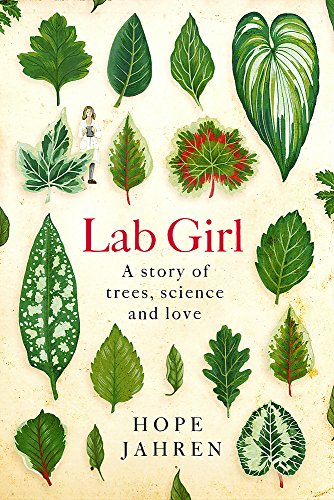
by Hope Jahren
This memoir provides a personal, passionate look at the life of a scientist, mirroring the dedication to botanical study seen in Levitt's work. It balances rigorous science with a compelling human story, making the technical aspects of botany feel deeply emotional and accessible.

by Andrea Wulf
Focusing on the 18th-century obsession with botany and plant collecting, this book shares the historical focus and narrative flair of 'Elixir.' It details how a group of enthusiasts changed the landscape of gardening and science, offering a rich, historical deep dive.

If you enjoyed the way 'Elixir' explored the mysterious properties of a plant, you will be captivated by this look at the fungal world. It is a brilliant, mind-bending exploration of how organisms shape our existence, written with a similarly inquisitive and scholarly tone.

This book masterfully combines the history of scientific discovery with the ethical and cultural implications of that research. Fans of 'Elixir' will appreciate the investigative journalism style and the way the author uncovers the hidden human stories behind major scientific breakthroughs.

While this is a work of fiction, it is deeply rooted in the history of 19th-century botany and exploration. Readers who loved the botanical themes of 'Elixir' will enjoy this sprawling, lush story about a woman who dedicates her life to the study of mosses and the mysteries of evolution.

This book follows the same 'biography of a subject' structure as 'Elixir,' tracing the massive impact a single organism had on human civilization. It is a perfect match for readers who enjoy learning how a specific natural resource can drive history, politics, and culture.

Prefer to listen?
Try Audible and hear the story instead of reading it.
As an Amazon Associate, we earn from qualifying purchases.
As an Amazon Associate, we earn from qualifying purchases.