

Based on your book
Ella Minnow Pea
by Mark Dunn
Imagine a tiny island where the very letters of the alphabet start disappearing, one by one, from a revered monument. That's the delightfully absurd premise of Ella Minnow Pea, an epistolary novel told entirely through letters between island residents. As the local council bans each fallen letter, the language itself begins to crumble, forcing the characters to get incredibly creative with their dwindling vocabulary. It's a charming, witty, and surprisingly clever read that celebrates the sheer joy of language while subtly satirizing authoritarianism and the dangers of arbitrary rules. You'll find yourself laughing at the linguistic acrobatics and rooting for Ella as she tries to save her community's ability to communicate. This is for readers who adore wordplay, a truly unique narrative structure, and a story that's both lighthearted and thought-provoking.
10 Books similar to 'Ella Minnow Pea'
If you enjoyed the clever wordplay and the unique epistolary structure of Ella Minnow Pea, you'll find kindred spirits in these recommendations. Many explore similar themes of language under threat and communities fighting against arbitrary, often absurd, rules. From the quiet bravery of individuals preserving intellectual freedom in oppressive societies, to stories told entirely through letters that celebrate the power of connection and literature, these books share that distinctive blend of wit, social commentary, and a deep appreciation for the written word. They're perfect if you love books that make you think while also offering a truly engaging, sometimes even whimsical, reading experience.
As an Amazon Associate, we earn from qualifying purchases.

by Ray Bradbury
Like Ella Minnow Pea, this classic explores the dangerous erosion of freedom and language under an oppressive regime. It shares a similar focus on the power of the written word and the courage required to preserve intellectual heritage against state-mandated censorship.

by Lois Lowry
This novel features a society where language and memory are strictly controlled to maintain order, echoing the linguistic constraints in Nollop. Both books follow a protagonist who begins to question the arbitrary laws of their community as they discover the beauty of what is being lost.

by Mary Ann Shaffer and Annie Barrows
Fans of the epistolary format of Ella Minnow Pea will appreciate this charming novel told entirely through letters. It captures a similar sense of community resilience and the vital importance of literature during times of political hardship and isolation.

This satirical allegory mirrors the descent of Nollop's council into irrational authoritarianism. Both books use a unique, stylized premise to critique how those in power manipulate language and logic to control the masses.

Prefer to listen?
Try Audible and hear the story instead of reading it.
As an Amazon Associate, we earn from qualifying purchases.

by Helene Hanff
This real-life epistolary exchange celebrates the profound connection between people through books and letters. It shares the same bibliophilic spirit and linguistic wit found in Mark Dunn's work, emphasizing how correspondence can bridge distances.
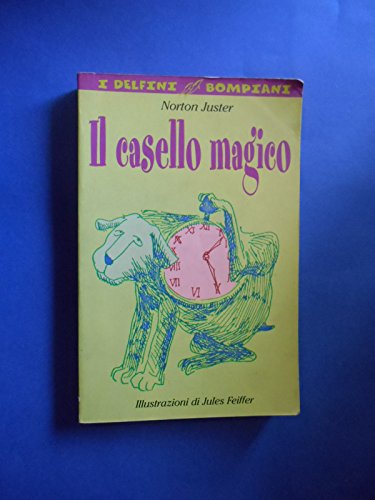
While more whimsical, this book shares a deep love for wordplay, puns, and the literal exploration of language. Readers who enjoyed the clever linguistic challenges of the high council’s edicts will find joy in the creative world-building of Dictionopolis.

This atmospheric novel centers on the sanctity of books and the lengths people go to protect them from being erased. It matches the more serious, mysterious undertones of Ella Minnow Pea regarding the preservation of culture under threat.

by Daniel Keyes
Told through progress reports, this story uses a changing narrative voice to show a character's internal shift, much like the linguistic decay in Ella's letters. It captures a similar sense of poignant loss and the struggle to maintain one's identity through writing.

by Pip Williams
This historical novel focuses on the power of words to define our reality and how certain voices are excluded from the official record. It resonates with the themes of linguistic authority and the fight to keep language inclusive and alive.

Like the residents of Nollop, the characters here live in a controlled environment with arbitrary rules they accept as normal. It shares a similar quiet, reflective tone and a slow-building sense of dread as the true nature of their society is revealed.

Love to read on the go?
Explore Kindle e-readers and take your books with you.
As an Amazon Associate, we earn from qualifying purchases.
As an Amazon Associate, we earn from qualifying purchases.