

Based on your book
Emotional Terrorist and the Violence-Prone
by Pizzey, Erin
Erin Pizzey does not mince words in this sharp, often uncomfortable examination of the psychological mechanics behind domestic violence. Moving beyond simple victim-perpetrator narratives, she dissects the specific character traits that define the emotional terrorist, a person who weaponizes intimacy and instability to maintain control. The writing is direct, confrontational, and deeply analytical, forcing you to look at the darker corners of human behavior that society often prefers to ignore. It is not an easy read; the atmosphere is heavy with the weight of raw truth and the clinical reality of dysfunctional power dynamics. If you are someone who prefers hard-hitting social commentary over sugar-coated theories, or if you are looking to decode the logic of abusive patterns, this book offers a bracing, unfiltered perspective that will likely change how you view relationships forever.
10 Books similar to 'Emotional Terrorist and the Violence-Prone'
Since this book challenges you to rethink the roots of control, our list focuses on authors who similarly prioritize psychological clarity and systemic critique. Whether you are drawn to the clinical precision of Donald Dutton or the raw, lived experience found in Tara Westover's memoir, these titles collectively bridge the gap between individual trauma and broader social dysfunction. We chose these works because they refuse to look away from the moral dilemmas of abuse, providing the necessary framework to turn Pizzey's intense observations into a deeper understanding of human behavior and resilience.
As an Amazon Associate, we earn from qualifying purchases.

Like Pizzey's work, this book offers a deep, analytical dive into the psychology of abusive individuals, stripping away myths to reveal the underlying patterns of violence. It is essential reading for those who want to understand the 'why' behind the behavior described in Emotional Terrorist.

This is perhaps the most definitive companion to Pizzey's work, providing a clear-eyed, compassionate, yet firm look at the belief systems that drive abusive men. It echoes Pizzey's mission to expose the reality of domestic abuse rather than making excuses for the perpetrators.

by Erin Pizzey
This is the seminal work that launched the modern battered women's shelter movement, written by the same author. It provides the historical context and the raw, ground-level reality that serves as the foundation for her later writings on emotional terrorism.

Focusing specifically on the 'emotional terrorist' aspect of Pizzey's analysis, this book identifies the subtle, destructive patterns of verbal abuse. It helps readers recognize the psychological manipulation that often precedes physical violence.

Prefer to listen?
Try Audible and hear the story instead of reading it.
As an Amazon Associate, we earn from qualifying purchases.

This memoir uses a unique, experimental structure to dissect a past abusive relationship, mirroring the complexity of the dynamics Pizzey explores. It is a haunting, intellectual, and deeply personal examination of how abuse functions within a relationship.

Herman connects the personal experience of domestic abuse to broader societal structures, providing a clinical and sociological framework that complements Pizzey's more direct observations. It is a foundational text for understanding the long-term impact of violence.
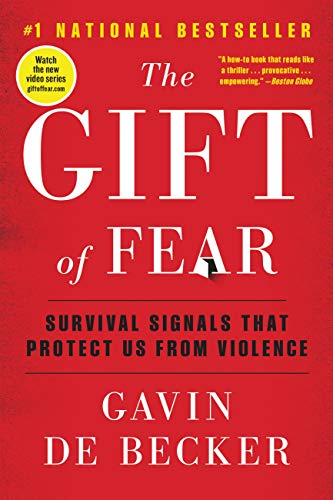
While broader in scope than just domestic violence, this book teaches readers how to identify the warning signs of dangerous behavior, which is central to Pizzey's warnings about violence-prone individuals. It is a practical, life-saving guide to intuition and safety.

by Evan Stark
Stark provides the academic and sociological backing to the concept of 'emotional terrorism,' detailing how abusers use isolation and control to dominate their partners. It is a rigorous look at the systemic nature of domestic abuse.

This memoir provides a harrowing, realistic look at growing up in an environment defined by control, violence, and isolation. Readers who appreciate Pizzey's focus on the psychological toll of abusive environments will find this story of resilience deeply resonant.

by Laura Bates
Bates examines the 'manosphere' and the radicalization of men, tracing the roots of misogyny and violence that Pizzey also identifies in her work. It is a modern, urgent look at how toxic beliefs manifest as real-world harm.

Love to read on the go?
Explore Kindle e-readers and take your books with you.
As an Amazon Associate, we earn from qualifying purchases.
As an Amazon Associate, we earn from qualifying purchases.