

Based on your book
End of the World Is Just the Beginning
by Peter Zeihan
End of the World Is Just the Beginning isn't a doomsday prophecy, but a remarkably clear-eyed look at how the global system we've known for decades is unraveling. Peter Zeihan unpacks the critical forces of demography, geography, and energy that have defined our recent past, then starkly projects what happens when those pillars crumble. The reading experience is like sitting down with a brilliant, slightly alarming friend who's just laid out all the hard truths about the coming decades. You'll finish it with a new, sometimes unsettling, framework for understanding current events and what's likely coming next. This is for readers who thrive on big-picture geopolitical analysis, aren't afraid of challenging assumptions, and want to understand the mechanics behind societal shifts and potential collapses. It's a pragmatic, thought-provoking journey into a world on the cusp of radical change.
10 Books similar to 'End of the World Is Just the Beginning'
If you found yourself endlessly dissecting the future after reading End of the World Is Just the Beginning, then our curated list is for you. We've gathered books that share Zeihan's sharp focus on big-picture geopolitical analysis, the profound impact of demographic shifts, and the intricate dance of power dynamics shaping our world. These recommendations dig into the social commentary and cultural analysis of how societies rise and fall, offering further thought-provoking perspectives on survival in a rapidly changing global landscape. You'll find more opportunities to challenge your assumptions and deepen your understanding of the forces at play.
As an Amazon Associate, we earn from qualifying purchases.

This book offers a compelling geopolitical forecast for the 21st century, much like Zeihan's work. Friedman analyzes demographic shifts, economic trends, and military power to predict future global conflicts and alliances, appealing to readers who enjoy a data-driven, strategic view of the world's future.

Harari tackles the most urgent global challenges of our time, from technological disruption to political polarization, with the same broad, analytical scope as Zeihan. Readers will appreciate its intellectual depth and its exploration of the future implications of current trends on human society.

Diamond investigates historical and contemporary societies that have collapsed due to environmental degradation, climate change, and other factors, resonating with Zeihan's focus on resource scarcity and societal fragility. It provides a historical lens to understand the potential vulnerabilities of modern civilizations.

This Pulitzer Prize-winning book explores the deep historical and geographical factors that shaped the development of human societies, offering a foundational understanding of global power disparities. It provides a macro-historical framework that Zeihan's readers will appreciate for its analytical rigor and long-term perspective.

Love to read on the go?
Explore Kindle e-readers and take your books with you.
As an Amazon Associate, we earn from qualifying purchases.

by William Strauss and Neil Howe
Strauss and Howe propose a cyclical theory of history, predicting recurring crises and transformations in society, which aligns with Zeihan's long-term, pattern-based analysis of global shifts. It offers a unique framework for understanding generational change and its impact on future events.

by Charles Goodhart and Manoj Pradhan
This book zeroes in on the profound impact of demographic shifts, particularly aging populations, on global economics and geopolitics, a central theme in Zeihan's work. It provides a detailed, data-driven analysis of how these trends will reshape the world order.

Kunstler presents a stark vision of a post-industrial future shaped by peak oil and resource depletion, echoing Zeihan's concerns about the fragility of global supply chains and energy dependence. While more speculative, it shares a similar 'bleak future' tone and analytical approach to societal transformation.
Smith explores potential future scenarios based on environmental, demographic, and resource trends, providing a direct comparison to Zeihan's future projections. It offers a rigorous, data-informed look at the challenges and opportunities awaiting the world in the coming decades.

Harari's sweeping history of humanity provides the grand context for understanding the forces that have shaped our world and continue to drive change, much like Zeihan uses historical and geographical context for his predictions. It's a foundational text for anyone interested in macro-level analysis of human civilization.
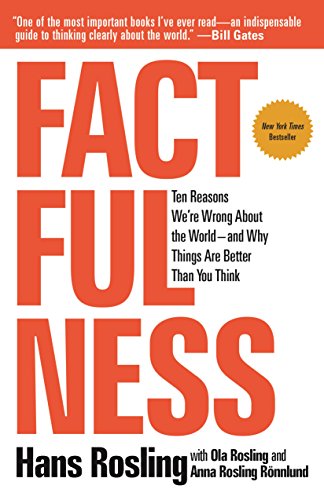
by Hans Rosling
Rosling challenges common misconceptions about the state of the world using data-driven insights, offering a more optimistic yet equally rigorous analytical perspective compared to Zeihan's often stark outlook. It appeals to readers who value evidence-based understanding of global trends and future possibilities.

Not sure what they've already read?
Let them pick their next favorite with an Amazon Gift Card.
As an Amazon Associate, we earn from qualifying purchases.
As an Amazon Associate, we earn from qualifying purchases.