

Based on your book
End Times Fascism
by Klein, Naomi
Naomi Klein turns her sharp, forensic gaze toward the unsettling overlap between far-right political movements and the digital age. This is not a comfortable read; it is an autopsy of our current political moment, dissecting how conspiracy theories and corporate interests have fused into a new, distorted reality. Klein maps out how the boundaries between truth and performance have dissolved, leaving us in a landscape where outrage is a commodity and authoritarianism is rebranded as common sense. The tone is urgent, cynical, and relentlessly analytical, making you feel the weight of these systemic shifts in real time. If you are the type of reader who wants to look directly at the mechanics of our declining democratic norms rather than look away, this book will provide the language and the cold, hard context you have been searching for.
10 Books similar to 'End Times Fascism'
Since End Times Fascism leaves you with a heightened awareness of how power, media, and technology conspire against the public, these selections serve as the vital next steps in your research. We have curated a list that bridges the gap between the rise of the radical right and the structural decay of our information ecosystems. Whether you are interested in the historical roots of authoritarianism or the data-driven reality of modern disinformation, these books mirror the same rigorous, investigative spirit that makes Klein’s work so essential for understanding our fractured political landscape.
As an Amazon Associate, we earn from qualifying purchases.

Like Klein's work, this book offers a rigorous, analytical deep dive into the hidden power structures of our modern digital existence. It provides the intellectual framework necessary to understand how technology and corporate interests are reshaping democracy and human autonomy.

by Naomi Klein
Essential reading for fans of Klein's recent work, this seminal text establishes the foundation for her arguments about how crises are exploited to push through radical economic agendas. It shares her signature investigative style and urgent, persuasive narrative voice.

Stanley provides a clear, chilling breakdown of the rhetorical strategies used by authoritarian leaders, mirroring Klein's own analysis of the 'Mirror World' and the distortion of truth. It is an accessible yet profound examination of the mechanics of modern political extremism.
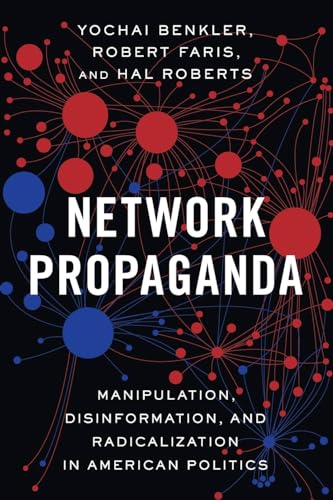
This book offers a data-driven look at how information ecosystems are manipulated, providing a perfect companion to Klein's observations on the fractured reality of the internet. It challenges the conventional wisdom about 'fake news' with rigorous, evidence-based research.

Prefer to listen?
Try Audible and hear the story instead of reading it.
As an Amazon Associate, we earn from qualifying purchases.

Kakutani explores the erosion of objective reality and the rise of partisan narratives, themes that resonate deeply with Klein's exploration of the 'Mirror World.' It is a concise, urgent critique of how language and truth are weaponized in contemporary discourse.

by Edward S. Herman and Noam Chomsky
As a classic text on how media systems shape public perception to serve elite interests, this book is a spiritual ancestor to Klein's investigative style. Readers interested in the structural failures of modern discourse will find this foundational analysis indispensable.

Applebaum provides a personal and historical account of why intellectuals and politicians turn toward authoritarianism, echoing Klein's concerns about the shifting political landscape. It offers a compelling, observational perspective on the decay of democratic norms.

by Neil Postman
This prophetic work argues that our media environment—specifically television—has fundamentally altered our ability to engage with complex political ideas. It provides a historical lens that perfectly complements Klein's analysis of how the internet has accelerated these trends.

Lewis investigates the invisible, crucial work of government agencies and the dangers of dismantling them, sharing Klein's interest in the structural fragility of our society. His narrative style makes complex institutional decay feel urgent and deeply personal.

by Jane Mayer
For readers who appreciate Klein's ability to connect the dots between money, power, and political ideology, this investigative masterpiece is essential. Mayer meticulously exposes the networks and funding behind the political movements that Klein critiques.

Love to read on the go?
Explore Kindle e-readers and take your books with you.
As an Amazon Associate, we earn from qualifying purchases.
As an Amazon Associate, we earn from qualifying purchases.