

Based on your book
End Times Fascism
by Naomi Klein
Naomi Klein turns her attention to the fractured reality of our current moment, dissecting how conspiracy theories and right-wing populism have merged into a coherent, if terrifying, political force. She identifies a Mirror World where logic is inverted, truth is secondary to feeling, and power is consolidated through the exploitation of public confusion. The reading experience is intentionally jarring; Klein does not offer comfort, but rather a cold, hard look at the machinery of modern control. It is an intense, analytical, and at times deeply unsettling book that demands your full attention. If you want a breezy read, look elsewhere. This is for the reader who wants to understand the structural roots of our political chaos and is willing to sit with the discomfort of realizing how easily objective reality can be dismantled.
10 Books similar to 'End Times Fascism'
If this investigation into the mechanisms of political manipulation resonated with you, these selections provide the necessary context to deepen your understanding of the landscape. We chose these books because they mirror Klein's focus on the breakdown of institutions and the strategic erosion of shared truth. Whether you are interested in the digital architecture of surveillance, the historical roots of totalitarianism, or the hidden financial networks fueling extremism, these titles share the same urgent, investigative DNA. They move beyond surface-level outrage to map the specific systems that allow modern authoritarianism to thrive.
As an Amazon Associate, we earn from qualifying purchases.

by Naomi Klein
As the foundational text for understanding how political and economic crises are exploited, this book provides the essential historical context for the themes of manipulation and power dynamics explored in Klein's later work. It offers the same rigorous, investigative, and deeply analytical perspective that fans of her writing will recognize.

This book is a perfect companion for readers interested in the digital infrastructure behind modern political movements and the erosion of democracy. It matches the intellectual depth and urgent warning tone found in Klein's analysis of contemporary fascism.

by Edward S. Herman and Noam Chomsky
This classic text dissects how media structures shape public perception and political reality, providing the theoretical framework that informs much of Klein's critique of the 'Mirror World.' Readers who appreciate Klein's ability to deconstruct complex systems of control will find this essential reading.

Lewis investigates the fragility of government institutions and the consequences of political negligence, mirroring Klein's concerns about the breakdown of civic reality. The narrative style is fast-paced and observational, making complex political failures accessible and deeply alarming.

Prefer to listen?
Try Audible and hear the story instead of reading it.
As an Amazon Associate, we earn from qualifying purchases.

by Steven Levitsky and Daniel Ziblatt
This book offers a scholarly yet accessible look at the erosion of democratic norms by elected leaders, providing the historical and political backbone for the contemporary threats Klein describes. It is an indispensable read for understanding the mechanics of modern authoritarianism.
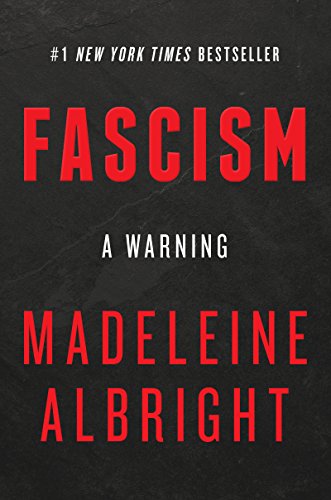
Drawing on her experience as a diplomat, Albright provides a personal and historical perspective on the rise of fascism that complements Klein's cultural analysis. The tone is reflective and urgent, connecting past atrocities to present-day political shifts.

Kakutani explores the collapse of objective reality and the rise of conspiracy theories, themes that are central to Klein's examination of the 'Mirror World.' It is a sharp, incisive critique of how language and truth have been weaponized in modern politics.

by Jane Mayer
Mayer provides a meticulously researched investigation into the hidden networks of power and funding behind right-wing political movements. Readers who appreciate Klein's investigative journalism will find this deep dive into the 'behind the scenes' of political extremism equally compelling.

For those seeking the philosophical roots of the movements Klein discusses, Arendt’s seminal work remains the gold standard. It provides a profound, albeit challenging, analysis of how loneliness and the breakdown of society pave the way for authoritarianism.
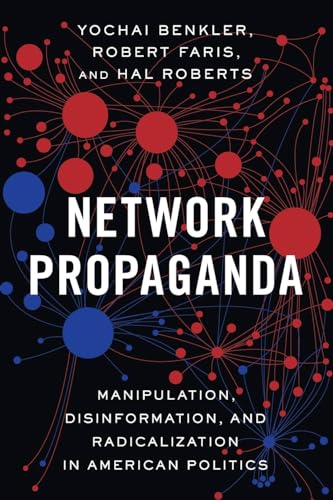
by Yochai Benkler, Robert Faris, and Hal Roberts
This book offers a data-driven look at the media ecosystems that foster polarization and radicalization, providing a technical counterpoint to Klein's more cultural-focused analysis. It is essential for understanding the mechanics of the 'Mirror World' in the digital age.

Love to read on the go?
Explore Kindle e-readers and take your books with you.
As an Amazon Associate, we earn from qualifying purchases.
As an Amazon Associate, we earn from qualifying purchases.