

Based on your book
Erasure
by Percival Everett
Percival Everett's "Erasure" drops you into the mind of Thelonious "Monk" Ellison, a Black academic whose intellectually dense novels gather dust while what he sees as exploitative "ghetto literature" tops bestseller lists. In a fit of exasperation, Monk writes a deliberately outrageous, stereotypical parody under a pseudonym, only for it to become a runaway sensation. The reading experience is a brilliant tightrope walk: it's laugh-out-loud funny in its absurdity, yet deeply incisive in its critique of publishing, racial stereotypes, and the performance of identity. You'll feel Monk's frustration, his moral dilemma, and the sheer intellectual mischief of it all. This is a book for anyone who loves their satire served sharp, enjoys authors who challenge comfortable narratives, and appreciates a story that makes you think as much as it entertains.
10 Books similar to 'Erasure'
For those who appreciated Erasure's razor-sharp wit and its unflinching look at the commodification of identity in literature, we've curated a list of books that hit similar notes. If you found Monk Ellison's struggle with authentic representation compelling, you'll see echoes in the satirical dismantling of racial stereotypes found in Paul Beatty's "The Sellout" or the contemporary publishing ethics explored in R.F. Kuang's "Yellowface." These recommendations delve into the complex interplay of identity, societal expectations, and the power of narrative, often with the same blend of humor and profound social critique that makes Everett's work so distinctive.
As an Amazon Associate, we earn from qualifying purchases.

As the source material for the film adaptation of Erasure, this novel (originally titled Erasure) is the definitive companion. It explores the same biting critique of the publishing industry's commodification of Black trauma through the lens of a frustrated academic.

by Paul Beatty
Like Erasure, this novel uses sharp, absurdist satire to dismantle racial stereotypes and American cultural politics. It features a protagonist who pushes boundaries to the point of ridiculousness to expose the underlying hypocrisies of his community and country.

by R.F. Kuang
This contemporary novel mirrors Erasure's themes of literary fraud and the ethics of representation in the publishing world. It follows a writer who steals a manuscript and assumes a false identity, leading to a tense exploration of who has the right to tell certain stories.

While more community-focused, McBride's work shares Everett's talent for blending humor with profound social observation. It offers a complex, multi-layered narrative that balances absurdity with deep emotional resonance and cultural critique.

Love to read on the go?
Explore Kindle e-readers and take your books with you.
As an Amazon Associate, we earn from qualifying purchases.

Erasure's protagonist, Monk, specifically parodies the 'urban realism' found in Wright's classic. Reading this provides essential context for the tropes Everett is deconstructing, particularly regarding the 'Black protest novel' and its reception by white audiences.

A foundational text for Erasure, this novel explores the theme of intellectual invisibility and the performance of identity. Both authors use a highly sophisticated, philosophical prose style to examine how society refuses to see the protagonist's true self.

If you enjoyed the blend of genre-bending and social critique in Erasure, Everett's later work continues this trend. This novel uses a detective-noir framework to confront the history of lynching in America with the same dark wit and intellectual rigor.

by Charles Yu
Written in the form of a screenplay, this novel tackles the pigeonholing of ethnic identities in media. Much like Monk's struggle with 'Black' literature, the protagonist here struggles with being cast in limited, stereotypical roles by a dominant culture.

While more somber in tone, Whitehead shares Everett's interest in how institutional systems erase or distort individual Black lives. It provides a more grounded, historical look at the themes of systemic injustice and the power of narrative.
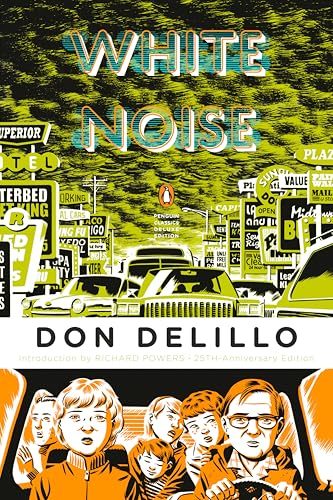
by Don DeLillo
Fans of Erasure's academic satire and its critique of consumerist culture will appreciate DeLillo's postmodern masterpiece. Both books feature intellectual protagonists navigating a world where the 'simulacrum' or the image of a thing often replaces the reality.

Not sure what they've already read?
Let them pick their next favorite with an Amazon Gift Card.
As an Amazon Associate, we earn from qualifying purchases.
As an Amazon Associate, we earn from qualifying purchases.