
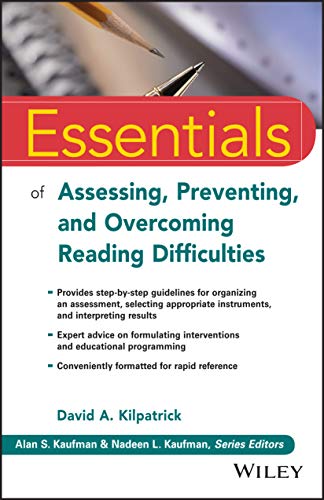
Based on your book
Essentials of Assessing, Preventing, and Overcoming Reading Difficulties
by Kilpatrick, David A.
David Kilpatrick strips away the guesswork surrounding literacy instruction, replacing outdated educational theories with the cold, hard reality of cognitive science. This is not a casual read; it is an analytical deep dive into why so many students struggle to decode text and exactly what we must do to fix it. The experience is like attending a rigorous graduate seminar where every claim is backed by empirical evidence and a clear, logical framework. Kilpatrick manages to make complex neurological processes feel urgent and actionable, shifting the focus from blame to empowerment. If you are a teacher, parent, or advocate frustrated by the persistence of reading failure, this book offers the intellectual clarity needed to dismantle ineffective practices. It is a dense, necessary manifesto for anyone serious about ensuring that literacy is treated as a teachable skill rather than a mysterious gift.
10 Books similar to 'Essentials of Assessing, Preventing, and Overcoming Reading Difficulties'
If the precision of Kilpatrick's work left you hungry for more, these titles expand on that same evidence-based foundation. We have curated this list to bridge the gap between pure cognitive science and the messy, real-world classroom. Whether you are exploring the historical context of the reading wars in Hanford's reporting or looking for the linguistic expertise found in Moats's writing, these books share a commitment to truth over tradition. They serve as an essential toolkit for anyone looking to transform their approach to instruction through the lens of research, logic, and equity.
As an Amazon Associate, we earn from qualifying purchases.

Like Kilpatrick's work, this is a seminal text in the field of reading science that bridges the gap between neurological research and practical classroom application. It provides an essential, evidence-based framework for understanding how the brain learns to read and how to intervene effectively when it doesn't.

This book offers a fascinating, deeper historical and biological context for the reading brain, complementing Kilpatrick's focus on the mechanics of reading instruction. It explores the evolution of literacy, providing a broader intellectual backdrop for why reading difficulties occur.

For readers who appreciated the scientific rigor of Kilpatrick, this book provides the cognitive neuroscience foundation for the reading process. It explains the 'neuronal recycling' hypothesis, offering a sophisticated look at the biological mechanisms that Kilpatrick's interventions seek to support.

This is an indispensable companion to Kilpatrick's work, focusing on the linguistic knowledge teachers need to effectively teach reading and spelling. It shares the same pragmatic, evidence-based goal of equipping educators with the specific tools necessary to prevent reading failure.

Not sure what they've already read?
Let them pick their next favorite with an Amazon Gift Card.
As an Amazon Associate, we earn from qualifying purchases.

Written by the same author, this book serves as the direct, practical 'how-to' manual that complements the theoretical framework established in his 'Essentials' text. It is the essential resource for anyone looking to implement the phonological awareness drills discussed in his larger work.

Willingham bridges the gap between cognitive psychology and classroom practice, much like Kilpatrick does. It provides a highly readable, evidence-based explanation of the reading process, making complex cognitive science accessible and applicable for educators.

by Meredith Liben and David Liben
This book aligns perfectly with the 'Science of Reading' movement that Kilpatrick champions, focusing on the practical application of research in the classroom. It provides a clear, actionable roadmap for educators to shift their instructional practices to align with evidence-based methods.
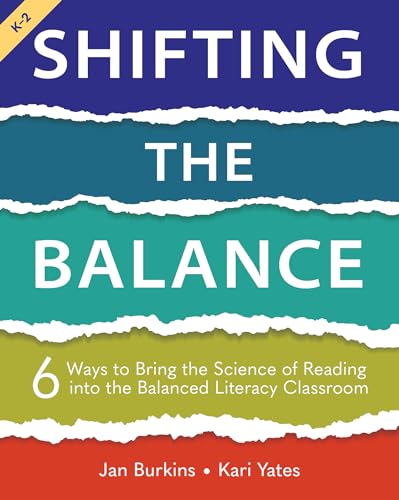
This book acts as a bridge for educators moving from traditional balanced literacy approaches toward the structured, evidence-based models advocated by Kilpatrick. It is thoughtful, non-judgmental, and deeply focused on the practical realities of changing instructional habits.

While Kilpatrick focuses on the mechanics of decoding and phonological awareness, Wexler addresses the critical role of background knowledge in reading comprehension. Together, they provide a comprehensive view of the two pillars necessary for reading success.
Though originally an investigative journalism series, Hanford's work is the definitive narrative account of the 'reading wars' that contextualizes Kilpatrick's research. It provides the necessary historical and social context for why books like Kilpatrick's are so vital today.

Prefer to listen?
Try Audible and hear the story instead of reading it.
As an Amazon Associate, we earn from qualifying purchases.
As an Amazon Associate, we earn from qualifying purchases.