

Based on your book
Eureka Street
by Wilson, Robert McLiam
Eureka Street is a love letter to Belfast that refuses to look away from the scars left by the Troubles. It follows Jake Jackson and Chuckie Lurgan, two friends navigating the absurdity and violence of a city that feels like it is constantly holding its breath. The narrative is messy, loud, and deeply human, shifting effortlessly between slapstick humor and sharp, stinging grief. Wilson writes with a relentless energy, capturing the way people find ways to laugh and survive even when the world around them is breaking apart. It is not a tidy novel; it is a sprawling, observational, and deeply cynical look at urban life that feels remarkably grounded. If you enjoy prose that is as gritty as it is tender, and you have an appetite for stories where the setting is just as much a character as the people, this is for you.
10 Books similar to 'Eureka Street'
If the specific brand of chaos in Eureka Street resonated with you, these selections were curated to keep you in that same headspace. We focused on works that balance dark, observational humor with the heavy, lingering reality of political and social tension. Whether it is the visceral, working-class frustration found in Trainspotting or the claustrophobic, witty atmosphere of Milkman, these books explore how individuals hold onto their humanity in fractured cities. They share that same commitment to authentic, street-level dialogue and the belief that the most profound truths are often found in the mundane.
As an Amazon Associate, we earn from qualifying purchases.

by Anna Burns
Set in a nameless city during the Troubles, this novel shares the dark, observational wit and the claustrophobic atmosphere of Belfast found in Eureka Street. It offers a similarly complex, stream-of-consciousness exploration of how ordinary people navigate a society defined by political violence and paranoia.

by Roddy Doyle
Like Wilson's work, this novel captures the raw, gritty, and hilarious reality of working-class life in an Irish city. It features a vibrant ensemble cast and a sharp, authentic dialogue style that mirrors the street-level energy of Belfast in Eureka Street.

by Irvine Welsh
Fans of Wilson’s unvarnished, cynical, and darkly comic portrayal of urban life will appreciate Welsh’s visceral depiction of Edinburgh's underbelly. Both books use a distinct narrative voice to explore the lives of marginalized characters caught in cycles of poverty and chaos.

While non-fiction, this book provides the historical and political context that underpins the setting of Eureka Street. It reads with the pacing of a thriller and shares the same deep, empathetic interest in the human cost of the Northern Irish conflict.

Not sure what they've already read?
Let them pick their next favorite with an Amazon Gift Card.
As an Amazon Associate, we earn from qualifying purchases.

This novel shares the intense, lyrical, and experimental prose style that Wilson employs to convey the psychological weight of his characters' environments. It is a raw, unflinching look at trauma and identity that will resonate with readers who appreciate the emotional depth of Eureka Street.

McCabe’s novel captures the same dark, black-comedy tone mixed with tragic circumstances often found in Irish literature of this era. It explores the descent of an outsider in a way that feels reminiscent of the more cynical, observational moments in Wilson's writing.

by Kevin Barry
Set in a fictionalized, gritty Irish city, this book matches the stylistic flair and linguistic inventiveness of Eureka Street. It features a sprawling cast of characters and a dark, atmospheric world that feels both hyper-real and uniquely stylized.

MacLaverty offers a more restrained but equally powerful look at the human toll of the Troubles, focusing on the intimate, tragic consequences of political violence. Readers who appreciated the emotional heart of Eureka Street will find this character study deeply moving.
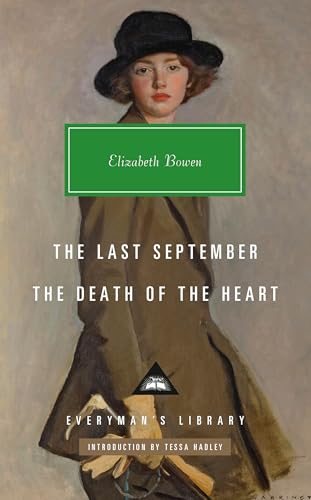
For readers interested in the historical layers of Irish conflict, this classic novel provides a brilliant, observational look at a society on the brink of collapse. Its sharp social commentary and focus on the disconnect between personal lives and political upheaval echo the themes of Wilson's work.

by James Kelman
This Booker Prize winner features a stream-of-consciousness narrative that captures the frustration and resilience of an ordinary man against an uncaring system. It shares the same gritty, working-class authenticity and dark humor that defines the narrative voice of Eureka Street.

Prefer to listen?
Try Audible and hear the story instead of reading it.
As an Amazon Associate, we earn from qualifying purchases.
As an Amazon Associate, we earn from qualifying purchases.