
Based on your book
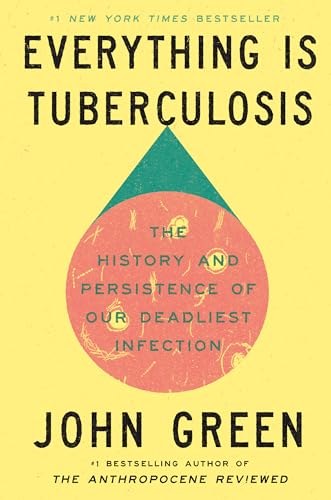
Everything Is Tuberculosis
by Green, John
John Green turns his analytical gaze toward one of historys most persistent killers, tuberculosis. Rather than a dry medical textbook, this is a deeply human excavation of how a single bacterium has shaped civilization, dictated social hierarchies, and exposed the failures of our global health systems. Green balances cold, hard epidemiological data with an aching empathy for those forced to navigate the long, grueling process of treatment. The pacing is deliberate and investigative, forcing you to sit with the uncomfortable reality that while we possess the tools to eradicate this disease, we often lack the collective will to do so. It is an intense, intellectually demanding read that feels less like a lesson and more like a moral confrontation. You will want this book if you appreciate rigorous research paired with a genuine, restless curiosity about the state of our world.
10 Books similar to 'Everything Is Tuberculosis'
Since you found the intersection of medical history and social justice in this book compelling, our curated list focuses on works that share that same urgent, investigative spirit. We chose these titles because they treat disease not just as a biological event, but as a lens to examine human resilience, systemic inequality, and the ethics of care. Whether it is the granular detective work found in The Ghost Map or the deeply personal advocacy showcased in Mountains Beyond Mountains, these books mirror the way Green connects individual survival stories to the broader, often messy, history of human progress.
As an Amazon Associate, we earn from qualifying purchases.
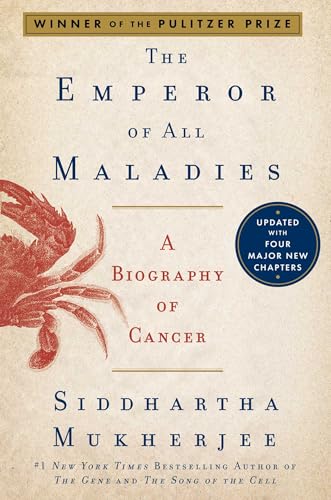
Like Green's work, this book masterfully blends rigorous scientific history with deeply personal, human-centric storytelling. It provides a comprehensive, sweeping look at a devastating disease while maintaining an empathetic and accessible narrative voice.

This narrative non-fiction piece mirrors the investigative curiosity and ethical questioning found in Green's writing. It explores the intersection of medical history, personal tragedy, and the societal impact of scientific discovery.

by Tracy Kidder
This biography of Dr. Paul Farmer, who dedicated his life to treating tuberculosis in Haiti and beyond, shares the same focus on global health equity and the human cost of inequality. It is an inspiring look at an individual fighting against systemic failure, much like the themes explored in Green's work.

by Randy Shilts
Fans of Green's investigative approach to public health crises will appreciate this definitive account of the AIDS epidemic. It combines meticulous research with a sense of urgency and moral indignation that feels very similar to the tone of Green's advocacy work.

Prefer to listen?
Try Audible and hear the story instead of reading it.
As an Amazon Associate, we earn from qualifying purchases.

This book tells the story of a cholera outbreak in Victorian London and the scientists who solved the mystery of its transmission. It shares the same fascination with how disease shapes cities and societies, written with a gripping, narrative-driven style.

This Pulitzer Prize-winning history provides a deep, engaging look at the polio epidemic, mirroring the way Green contextualizes tuberculosis within the broader scope of human history and societal response. It is both a scientific record and a compelling human drama.

by Hope Jahren
Jahren's memoir about her life as a scientist is written with a lyrical, introspective voice that fans of John Green's personal essays will find familiar. It captures the beauty of scientific pursuit and the resilience required to survive in a difficult field.

This book offers a profound examination of the 1918 flu pandemic, balancing high-level scientific explanation with the intimate, heartbreaking stories of those affected. It shares the same analytical rigor and emotional weight found in Green's writing on tuberculosis.
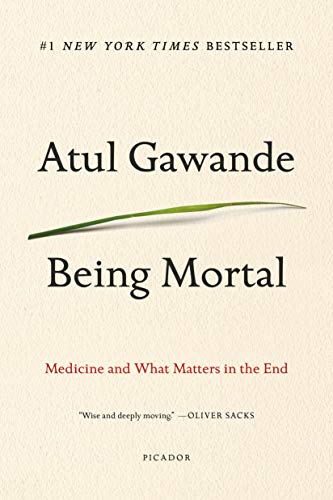
by Atul Gawande
Gawande explores the limitations of modern medicine with a gentle, philosophical, and deeply human perspective. Readers who appreciate Green's ability to find meaning and hope amidst the harsh realities of illness will find this book essential reading.

Quammen writes with a blend of scientific expertise and adventurous storytelling that matches the curiosity-driven nature of Green's work. This book tracks the history of zoonotic diseases, connecting the dots between human behavior, biology, and global health.

Love to read on the go?
Explore Kindle e-readers and take your books with you.
As an Amazon Associate, we earn from qualifying purchases.
As an Amazon Associate, we earn from qualifying purchases.