

Based on your book
Exhalation
by Chiang, Ted
Exhalation is a collection of nine short stories that function like intricate clockwork mechanisms. Ted Chiang does not use science fiction to dazzle you with space battles; instead, he uses it as a laboratory to test the boundaries of human morality and logic. You might find yourself reading about a mechanical civilization grappling with the entropy of their own lungs or an archival device that forces people to confront their own pasts. The pacing is deliberate and unhurried, inviting you to pause after every few pages to let the implications settle. It is a quiet, intellectual experience that feels less like reading fiction and more like participating in a series of profound thought experiments. If you enjoy stories that treat the reader like an intelligent partner and prefer questions that linger long after the final page, this collection is essential.
10 Books similar to 'Exhalation'
Since you finished Exhalation and are likely craving more fiction that treats big ideas with a gentle, human touch, I have curated a list of books that share its DNA. These selections lean heavily into the intersection of hard science and existential philosophy, focusing on how technology and the unknown reshape our moral landscapes. Whether you are looking for the labyrinthine logical puzzles of Borges, the anthropological depth of Le Guin, or the haunting scientific dread found in VanderMeer, these authors all prioritize the weight of the human condition over mere spectacle.
As an Amazon Associate, we earn from qualifying purchases.

by Ted Chiang
As the debut collection from the same author, this book shares the exact same blend of rigorous scientific inquiry and profound philosophical questioning found in Exhalation. Readers who appreciated Chiang's ability to turn abstract theoretical physics into deeply moving human narratives will find this essential reading.

by Ray Bradbury
Like Chiang, Bradbury uses science fiction as a lens to examine human nature, colonization, and the fragility of civilization. This collection of linked stories offers a similarly poetic and contemplative atmosphere that questions what it means to be human in the face of the unknown.

This novel captures the same sense of intellectual dread and scientific curiosity found in Chiang's more unsettling stories. It presents a mysterious, logic-defying environment that demands the reader analyze the situation alongside the protagonist, mirroring the investigative spirit of Exhalation.

Le Guin masterfully explores the intersection of power, reality, and ethics, much like the stories in Exhalation. Its focus on the consequences of altering reality makes it a perfect companion for readers interested in thought experiments regarding free will and destiny.

Love to read on the go?
Explore Kindle e-readers and take your books with you.
As an Amazon Associate, we earn from qualifying purchases.

While more grounded in history than Chiang's work, Butler's exploration of time travel is driven by deep philosophical questions about agency and human endurance. Fans of Chiang will appreciate how she uses a speculative premise to dissect complex moral and social realities.

Huxley's classic remains one of the most intellectually stimulating examinations of how technology shapes societal values and individual happiness. It resonates with the themes of technological determinism and the loss of humanity that permeate several stories in Exhalation.

Borges is a primary influence on Ted Chiang, and his short stories are masterclasses in logic, infinity, and the nature of reality. Readers who loved the puzzle-like quality of Chiang's narratives will find these labyrinthine tales equally rewarding and mind-bending.
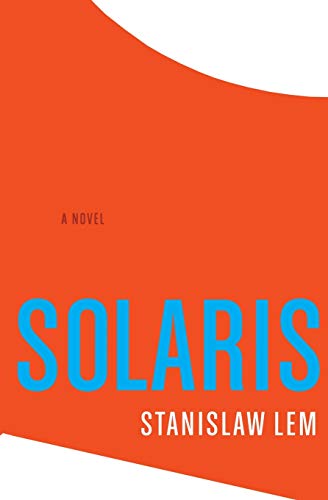
This novel is a cornerstone of philosophical science fiction, focusing on the impossibility of truly communicating with an alien intelligence. It shares the same analytical, scientific tone as Exhalation while delving deep into the psychological limits of human understanding.

Le Guin's anthropological approach to sci-fi mirrors Chiang's methodical world-building, where the environment dictates the culture. It is a deeply thoughtful exploration of gender, politics, and connection that will satisfy readers looking for high-concept, character-driven fiction.

by Daniel Keyes
This story uses a scientific premise—intelligence enhancement—to explore the profound emotional and philosophical implications of human consciousness. It matches the empathetic, human-centric core of Chiang's writing, proving that high-concept ideas are best served through intimate character studies.

Not sure what they've already read?
Let them pick their next favorite with an Amazon Gift Card.
As an Amazon Associate, we earn from qualifying purchases.
As an Amazon Associate, we earn from qualifying purchases.