
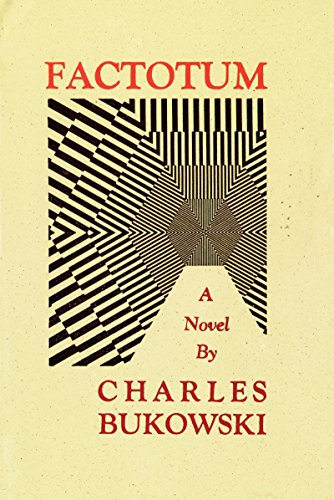
Based on your book
Factotum
by Charles Bukowski
Factotum drops you squarely into the aimless, beer-soaked world of Henry Chinaski, Bukowski's alter ego, as he drifts across 1940s America. It's less a story with a traditional plot and more a series of vignettes detailing his relentless cycle of taking and losing menial jobs, engaging in fleeting, often sordid, relationships, and always, always drinking. The reading experience is raw and unvarnished; you feel the grit and the grime of his existence, the weary resignation, and the surprising flashes of dark humor that cut through the pervasive bleakness. There's a melancholic rhythm to Chinaski's perpetual state of being just on the edge, observing the world with a cynical, yet oddly poetic, eye. This is for readers who appreciate an unflinching, morally ambiguous look at the fringes of society, a protagonist who couldn't care less about being a hero, and a story that finds its power in the relentless, unglamorous truth of a life lived outside the lines.
10 Books similar to 'Factotum'
If Bukowski's Factotum resonated with you, you likely appreciate stories that don't shy away from the gritty realities of life on the margins. We've curated this list for those who connect with the cynical, clear-eyed gaze of an outsider, navigating a world that often feels indifferent or hostile. These books, from the semi-autobiographical struggles of Fante and Orwell to the visceral prose of Selby Jr. and Céline, share Factotum's unvarnished honesty, its dark humor, and its unflinching look at characters finding their way amidst poverty, addiction, and existential drift. They all offer a similar kind of raw, compelling immersion into lives lived on the fringes.
As an Amazon Associate, we earn from qualifying purchases.

As the first novel featuring Henry Chinaski, this book captures the same repetitive drudgery and cynical humor found in Factotum. It explores the soul-crushing nature of low-wage labor and the protagonist's attempts to find meaning through drinking and gambling.

by John Fante
A major influence on Bukowski, Fante's story of Arturo Bandini depicts a struggling writer in Depression-era Los Angeles. It shares the raw, semi-autobiographical tone and the theme of an outsider trying to survive on the fringes of society.

This novel is a masterclass in misanthropy and dark humor, mirroring the bleak worldview found in Bukowski's work. It follows a protagonist through various low-points of human existence with a style that is both visceral and uncompromising.

Like Factotum, this book offers an unvarnished look at the American underbelly, focusing on the routine and mechanics of addiction. Its minimalist prose and detached, observational style will resonate with fans of Bukowski's direct narrative voice.

Love to read on the go?
Explore Kindle e-readers and take your books with you.
As an Amazon Associate, we earn from qualifying purchases.

This memoir of living in extreme poverty and working menial kitchen jobs provides a factual counterpart to Chinaski's fictional struggles. It shares a fascination with the indignity of labor and the resilience required to survive at the bottom of the social ladder.

by Henry Miller
Miller’s work blends autobiography with philosophical musings and raw depictions of sexuality and poverty. Fans of Factotum will appreciate the bohemian spirit, the rejection of middle-class values, and the gritty urban atmosphere.

This collection of linked stories features a drifting, drug-addicted narrator moving through a series of chaotic encounters. It captures the same sense of beautiful desperation and the 'vibe' of life on the margins that Bukowski perfected.

by Knut Hamsun
A seminal work of modernism, this novel follows a starving writer wandering the streets, oscillating between pride and madness. Its focus on the physical and psychological toll of poverty directly prefigures the themes of Factotum.

This 'fictional memoir' details a life of failure, alcoholism, and obsession from the perspective of a self-proclaimed loser. It matches Bukowski's ability to find dark humor and profound insight within a life that society deems a disappointment.

Selby’s prose is raw and rhythmic, depicting the harsh realities of the New York waterfront with a brutality that matches Bukowski’s grittiest moments. It is a powerful exploration of characters trapped by their environment and their own impulses.

Not sure what they've already read?
Let them pick their next favorite with an Amazon Gift Card.
As an Amazon Associate, we earn from qualifying purchases.
As an Amazon Associate, we earn from qualifying purchases.