

Based on your book
Fads and Fallacies in the Name of Science
by Gardner, Martin
Martin Gardner acts as a sharp-eyed guide through the bizarre landscape of mid-century pseudoscience. Instead of dry lectures, he offers a witty, systematic dismantling of everything from flat-earth theories and health fads to eccentric personality cults. The writing is precise and intellectually restless, treating each subject with a mix of genuine curiosity and cold, hard skepticism. You are essentially reading the playbook of a man who refuses to be fooled by charisma or complex jargon. The pacing is snappy, moving quickly between different delusions before they wear out their welcome. It is a fantastic choice for readers who enjoy unmasking the psychological mechanics behind human gullibility and want to sharpen their own critical thinking skills. If you find yourself constantly questioning the validity of what passes for truth in public discourse, this book will feel like a long-overdue reality check.
10 Books similar to 'Fads and Fallacies in the Name of Science'
Since you enjoyed the analytical rigor of Gardner, these selections were curated to further explore the anatomy of human irrationality. Whether you want to investigate the intersection of ego and fraud found in Hoax or the psychological patterns behind fringe beliefs in Science Friction, these titles maintain that same commitment to evidence-based inquiry. We chose these specific books because they bridge the gap between historical curiosity and modern skepticism, helping you navigate the noisy landscape of misinformation with a clearer head and a healthier dose of healthy doubt.
As an Amazon Associate, we earn from qualifying purchases.

by Carl Sagan
Much like Gardner's work, Sagan provides a passionate and rigorous defense of the scientific method against pseudoscience and superstition. It shares the same analytical, intellectual tone while serving as a vital guide for critical thinking in a world often clouded by misinformation.

by Ben Goldacre
Goldacre takes a similar investigative approach to Gardner, exposing the flaws and deceptions in the medical and media industries. It is highly accessible, witty, and deeply committed to debunking health-related myths with empirical evidence.

This classic text explores the history of mass hysteria and collective folly, providing the historical context that Gardner's work often touches upon. It is a foundational look at how irrational ideas can capture the public imagination on a massive scale.
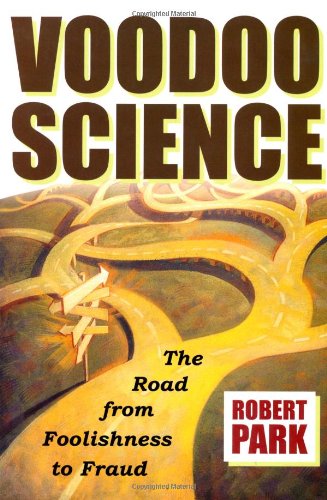
Park examines the thin line between fringe science and outright fraud, echoing Gardner's skepticism toward unproven claims. It is a sharp, critical look at how bad science can permeate society and even government policy.

Not sure what they've already read?
Let them pick their next favorite with an Amazon Gift Card.
As an Amazon Associate, we earn from qualifying purchases.

This comprehensive reference work functions as a perfect companion to Gardner's book, cataloging various pseudoscientific beliefs and examining them with rational scrutiny. It is an essential resource for anyone interested in identifying and dismantling illogical arguments.

Shermer, a prominent skeptic, explores why smart people believe weird things, providing a psychological and sociological framework that complements Gardner's observations. The book balances rigorous investigation with an accessible, conversational style.
by Ian Tattersall and Peter N. Nevraumont
Focusing on the history of elaborate scams and scientific frauds, this book offers a narrative-driven look at the same human fallibility that Gardner chronicled. It highlights the intersection of ego, ambition, and the desire to believe in the impossible.

by John Grant
Grant delves into the mechanisms of science denial, exploring how misinformation spreads and why it is so difficult to counter. It serves as a modern update to the themes of irrationality and skepticism found in Gardner's classic.

by James Randi
Randi, a legendary debunker, brings a confrontational and highly entertaining energy to the task of exposing paranormal claims. Fans of Gardner will appreciate the direct, no-nonsense approach to dismantling charlatans and their tricks.

This collection of essays from the Skeptical Inquirer covers a wide range of fringe topics, mirroring the structure and breadth of Gardner's work. It provides a scholarly yet accessible look at how the scientific community addresses claims outside the mainstream.

Prefer to listen?
Try Audible and hear the story instead of reading it.
As an Amazon Associate, we earn from qualifying purchases.
As an Amazon Associate, we earn from qualifying purchases.