

Based on your book
FAKE NEWS
by Graham, Mike
Mike Graham pulls back the curtain on the modern media landscape, dissecting how the news cycle has shifted from reporting facts to curating narratives that suit political agendas. This is not a gentle critique but a sharp, cynical look at the machinery of information, where outrage is the primary commodity and the truth is often the first casualty. You will feel the frustration of a veteran observer watching standards collapse in real time. The pacing is relentless and argumentative, mirroring the chaotic digital environment it describes. If you are the type of reader who finds yourself shouting at the television or questioning the provenance of every headline that hits your timeline, this book will feel like a candid conversation with a kindred spirit. It is a bracing, no-nonsense assessment of how public perception is engineered.
10 Books similar to 'FAKE NEWS'
Since you appreciate the combative and analytical nature of this critique, these titles further investigate the structural decay of journalism and the psychology behind our divided media landscape. We selected these because they bridge the gap between systemic media criticism and the manipulative tactics used to shape public opinion. Whether you want to explore the history of propaganda or the psychological roots of why we fall for misinformation, these selections mirror the skepticism and intellectual rigor found here. They offer a comprehensive look at the mechanics of influence, helping you decode the noise of the 24-hour cycle.
As an Amazon Associate, we earn from qualifying purchases.

Like Graham's work, this book offers a critical, provocative examination of modern social issues and the media's role in shaping public discourse. It shares a similar intellectual, combative tone that challenges mainstream narratives regarding identity politics and free speech.

This book provides a gritty, behind-the-scenes look at the deterioration of journalism and the pressures faced by reporters in restrictive environments. It aligns with Graham's focus on the integrity of news media and the dangers of a controlled information landscape.

As a foundational text on how public opinion is manipulated, this book provides the historical and theoretical framework for the themes Graham explores in his critique of modern media. It is essential reading for understanding the mechanics of 'fake news' and mass persuasion.

by Ryan Holiday
Holiday exposes the manipulative tactics used by online media outlets to generate clicks and influence public perception, mirroring Graham's concerns about the decline of journalistic standards. It is a fast-paced, revealing look at the dark underbelly of digital media.

Prefer to listen?
Try Audible and hear the story instead of reading it.
As an Amazon Associate, we earn from qualifying purchases.

by Tom Nichols
This book examines the societal trend of dismissing expert knowledge in favor of personal opinion, a theme that resonates deeply with Graham's critique of the current information climate. It provides a sobering, analytical look at how digital echo chambers have eroded public debate.

by Nick Davies
Davies provides a scathing investigation into the British press, detailing how corporate pressures and 'churnalism' have compromised the truth. Fans of Graham's skepticism toward mainstream media will appreciate this deep dive into systemic journalistic failure.

by Edward S. Herman and Noam Chomsky
While from a different political perspective than Graham, this classic text is the definitive study on how media institutions filter and shape information to serve elite interests. It is a must-read for anyone interested in the structural biases of the news industry.

by Lee McIntyre
McIntyre explores the philosophical and psychological roots of the 'post-truth' era, where facts are secondary to emotional narratives. It complements Graham's arguments by explaining why misinformation has become so pervasive and difficult to combat.
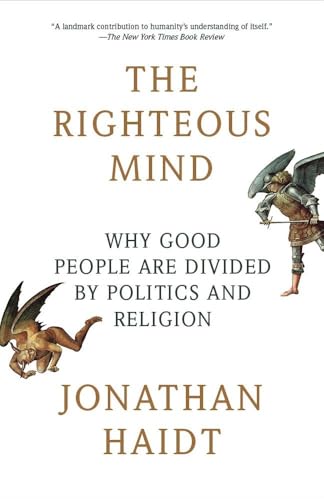
Haidt explains the psychological underpinnings of our moral and political divisions, offering insight into why people cling to 'fake news' that confirms their existing biases. It provides a fascinating, scientific layer to the cultural arguments presented by Graham.
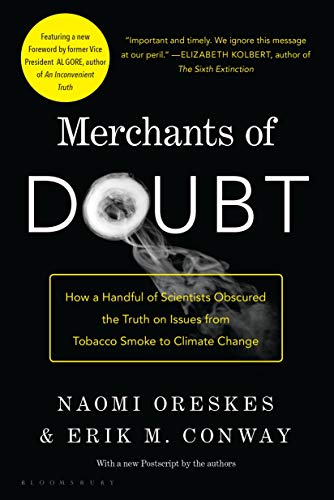
by Naomi Oreskes and Erik M. Conway
This book documents how industry-funded campaigns have used media manipulation to cast doubt on scientific consensus, echoing Graham's interest in how narratives are manufactured. It is a compelling, well-researched account of how information is weaponized.

Love to read on the go?
Explore Kindle e-readers and take your books with you.
As an Amazon Associate, we earn from qualifying purchases.
As an Amazon Associate, we earn from qualifying purchases.