

Based on your book
Fedbook
by Stancliff, John Jay
Fedbook is a cold, calculated examination of the mechanisms behind the Federal Reserve and the quiet, immense power it wields over the average citizen. Rather than offering a dry textbook approach, Stancliff strips away the technical jargon to expose the political and social architecture that keeps the current monetary system running. The reading experience is sharp and intentionally disquieting; it feels less like an economic primer and more like a briefing on a system designed to be opaque. The pacing is relentless, driven by a cynical curiosity that forces you to question the legitimacy of institutions you have likely taken for granted. This is a book for the reader who distrusts official narratives, enjoys pulling at the loose threads of political power, and wants to understand the hidden mechanics that dictate wealth distribution and national stability.
10 Books similar to 'Fedbook'
The books selected here were chosen to build upon the skepticism and analytical intensity found in Fedbook. These titles move beyond mere theory to uncover the specific, often hidden, relationships between government policy and financial elites. Whether you are looking for the historical context of central banking, the play-by-play mechanics of economic collapse, or a direct ideological challenge to the status quo, these works provide the necessary depth to keep your investigation going. They share a focus on systemic corruption and the real-world consequences of decisions made in isolated, high-stakes boardrooms.
As an Amazon Associate, we earn from qualifying purchases.
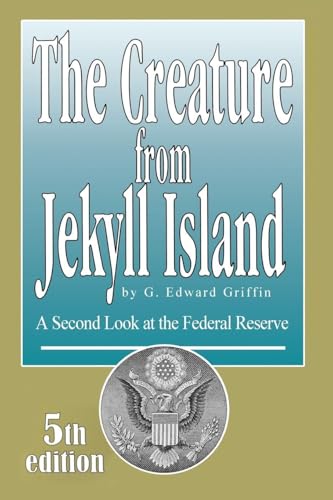
This is a seminal work for anyone interested in the origins and mechanics of the Federal Reserve, much like Stancliff's exploration. It provides a deep, critical dive into the history of central banking and the powerful individuals behind it.

Leonard offers a gripping, behind-the-scenes look at how Federal Reserve policies have shaped the modern economy and widened the wealth gap. Readers of 'Fedbook' will appreciate the investigative journalism and the focus on the real-world consequences of monetary policy.
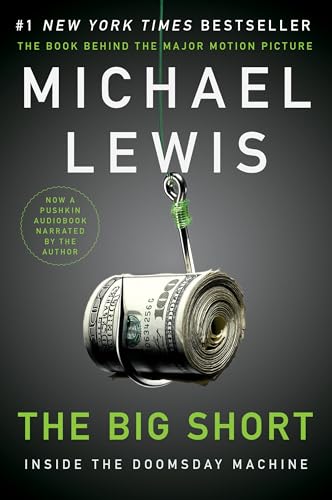
While more narrative-driven, this book masterfully explains complex financial systems and the hubris of the institutions governing them. It shares the same cynical, eye-opening tone regarding the fragility and opacity of the American financial system.

This classic work examines the Federal Reserve's immense power over the American economy and the political battles fought behind closed doors. It serves as an essential companion for those who want to understand the institutional history that Stancliff critiques.

Not sure what they've already read?
Let them pick their next favorite with an Amazon Gift Card.
As an Amazon Associate, we earn from qualifying purchases.

Offering a distinctly critical perspective on the 2008 financial crisis, this book challenges mainstream economic narratives in a way that aligns with the skeptical tone of 'Fedbook'. It provides a compelling argument against government and central bank intervention.
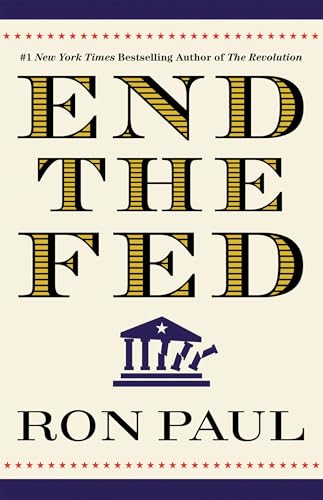
by Ron Paul
Written by a prominent critic of the Federal Reserve, this book provides a direct, ideological argument against the existence of the institution. It is a must-read for readers who connected with the anti-Fed sentiment often found in Stancliff’s work.

To understand the system, it is useful to read the perspective of one of its longest-serving architects. Greenspan's memoir offers an insider's view of the global economy, providing a perfect counterpoint to the critical analysis found in 'Fedbook'.

by Nomi Prins
Prins uncovers the hidden alliances between the American government and the financial elite throughout the 20th century. Fans of 'Fedbook' will find the investigative rigor and the focus on systemic corruption deeply engaging.

This book provides a play-by-play account of the 2008 financial collapse, focusing on the decision-makers at the heart of the crisis. It captures the high-stakes atmosphere and the interconnectedness of government and banking, mirroring the themes in Stancliff's work.

Stiglitz provides a broader academic and social critique of how economic policies, including those of the Federal Reserve, have exacerbated societal divides. It expands on the 'Fedbook' premise by connecting monetary policy to the wider health of democracy.

Prefer to listen?
Try Audible and hear the story instead of reading it.
As an Amazon Associate, we earn from qualifying purchases.
As an Amazon Associate, we earn from qualifying purchases.