

Based on your book
Feeding Hannibal
by Poon, Janice
Feeding Hannibal is a strange, gorgeous, and unsettling artifact that bridges the gap between culinary art and macabre fiction. Janice Poon, the food stylist for the Hannibal series, pulls back the curtain on how to make a plate of food look both exquisite and deeply disturbing. This is not a traditional cookbook; it is a meticulous breakdown of the visual language of the show, exploring how color, texture, and plating are used to manipulate the viewer. You will find yourself toggling between genuine culinary appreciation and a creeping sense of unease. The writing is sharp and intellectual, perfect for readers who prefer their food writing with a side of psychological thriller. If you are fascinated by the intersection of high culture and moral rot, or simply want to understand the craft behind television's most aesthetically refined predator, this book belongs on your shelf.
10 Books similar to 'Feeding Hannibal'
Since you appreciate the way Poon balances high-end craftsmanship with a darker, more predatory sensibility, our list of recommendations focuses on authors who treat food as a ritualistic, often obsessive, endeavor. Whether it is the gritty, unfiltered reality of professional kitchens found in works by Anthony Bourdain and Gabrielle Hamilton, or the philosophical inquiries into ethics and sensory obsession seen in the writing of David Foster Wallace and Patrick Suskind, these selections mirror the intellectual hunger that defines the Hannibal universe. We have curated these titles to satisfy your curiosity for both culinary precision and atmospheric, character-driven tension.
As an Amazon Associate, we earn from qualifying purchases.

Fisher is a master of food writing who elevates the act of eating into a sophisticated, almost philosophical experience, much like the culinary artistry displayed in Hannibal. Her elegant, observant prose mirrors the refined aesthetic and sensory obsession found in Janice Poon's work.

Bourdain's gritty, behind-the-scenes look at the professional kitchen offers a stark contrast to the polished presentation of Hannibal, yet shares the same intense obsession with culinary perfection and high-stakes pressure. Readers who enjoyed the 'making of' aspect of Feeding Hannibal will appreciate this raw, unfiltered perspective.

by Erik Larson
This book masterfully weaves together the history of the 1893 World's Fair with the chilling story of H.H. Holmes, creating a juxtaposition of high culture and dark depravity that feels very much in line with the Hannibal Lecter aesthetic. It captures the same unsettling blend of elegance and horror.

Hamilton's memoir is a visceral, deeply personal exploration of food, family, and the intense labor behind professional cooking. Its sophisticated narrative voice and focus on the transformative power of ingredients will resonate with readers who appreciate the artistry and craft detailed in Poon's cookbook.

Love to read on the go?
Explore Kindle e-readers and take your books with you.
As an Amazon Associate, we earn from qualifying purchases.

As the source material for the Hannibal Lecter universe, this novel is essential for fans who want to understand the psychological depth and chilling sophistication of the character. It provides the narrative foundation for the dark, intellectual, and predatory atmosphere that the cookbook celebrates.

by Bill Buford
Buford’s obsessive, immersive dive into the culinary world—complete with a butcher mentor—mirrors the intense, almost ritualistic dedication to food preparation seen in Hannibal. It is a perfect blend of intellectual curiosity and physical, gritty kitchen work.

This novel features a protagonist with an obsessive, singular focus on sensory experience—specifically scent—that parallels Hannibal Lecter’s obsession with taste and presentation. The atmospheric, dark, and highly aestheticized writing style will appeal to those who enjoy the dark artistry of the Hannibal series.

by Julia Child
While far lighter in tone, this memoir captures the absolute passion, precision, and transformative joy of French cooking that serves as the technical backbone for many of the recipes in Feeding Hannibal. It celebrates the dedication required to master a craft, appealing to the 'foodie' side of the reader.

by Donna Tartt
This novel is the epitome of 'dark academia,' featuring a group of intellectual, elitist students whose aesthetic sensibilities are as refined as their moral compasses are skewed. Fans of the Hannibal show's sophisticated, high-culture vibe will find the atmosphere and psychological tension deeply familiar.
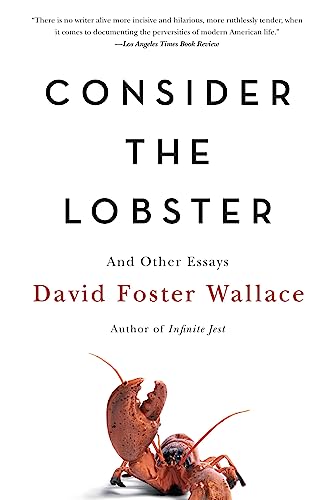
Wallace’s famous essay on the morality of boiling lobsters provides a fascinating, philosophical, and slightly disturbing look at the relationship between food and ethics. It matches the intellectual, slightly detached, and analytical tone often associated with Hannibal Lecter's worldview.

Not sure what they've already read?
Let them pick their next favorite with an Amazon Gift Card.
As an Amazon Associate, we earn from qualifying purchases.
As an Amazon Associate, we earn from qualifying purchases.